Jakarta, Indonesia – Her Majesty Queen Máxima of the Netherlands successfully concluded a comprehensive five-day working visit to Indonesia, spanning from Monday, November 24, to Thursday, November 27, 2025. The visit underscored her dedicated role not as the reigning monarch of the Netherlands, but as the United Nations Secretary-General’s Special Advocate (UNSGSA) for Inclusive Finance for Development, with a specific focus on promoting financial health and resilience. This marks Queen Máxima’s fifth engagement in Indonesia in her capacity as UNSGSA, highlighting the nation’s strategic importance in global financial inclusion efforts.
The extensive itinerary encompassed a series of high-level meetings, field visits, and strategic discussions across various regions, including Sragen and Solo in Central Java, the bustling capital of Jakarta, and Bekasi in West Java. Her mission centered on advancing financial literacy, access to financial services, and overall financial well-being for all segments of society, particularly focusing on vulnerable populations and small and medium-sized enterprises (SMEs). This sustained engagement reflects a decade-long partnership between Indonesia and the UNSGSA office, aiming to bolster the nation’s ambitious financial inclusion targets.
The Enduring Mandate of the UNSGSA for Inclusive Finance
Since her appointment in 2009, Queen Máxima has championed financial inclusion as a critical enabler for poverty reduction, economic growth, and sustainable development. The UNSGSA’s mandate involves advocating for global financial system improvements that allow individuals and small businesses to access and effectively use a wide range of affordable, useful, and responsible financial products and services. These services include savings, credit, insurance, and payments. Her work emphasizes the development of national financial inclusion strategies, fostering public-private partnerships, and promoting innovative digital financial solutions. The concept of "financial health" – ensuring individuals and households can manage their daily finances, cope with shocks, and achieve their financial goals – has become a central pillar of her advocacy, moving beyond mere access to financial services towards tangible well-being. Indonesia, with its vast archipelago, diverse demographics, and robust digital adoption, presents both unique challenges and immense opportunities for advancing this agenda.
Indonesia: A Strategic Canvas for Financial Inclusion
Indonesia’s journey towards comprehensive financial inclusion has been remarkable, yet significant gaps persist. As of early 2020s, despite notable progress, approximately 30-40% of the adult population remained unbanked, primarily in rural and remote areas. The National Strategy for Financial Inclusion (SNKI), launched by the Indonesian government, aims to achieve an 90% financial inclusion rate by 2024, a goal the UNSGSA has consistently supported. Key initiatives include expanding agent banking networks, promoting digital payments, and developing micro-insurance products. The growth of fintech and mobile banking has been particularly transformative, offering scalable solutions to reach underserved communities. Queen Máxima’s repeated visits underscore the belief that Indonesia’s success can serve as a powerful model for other developing nations grappling with similar challenges. Her insights and advocacy often help to bridge the gap between global best practices and local implementation, encouraging cross-sectoral collaboration and innovation.
Chronology of a Purpose-Driven Tour: Unpacking the Itinerary
The multi-day visit was meticulously planned to cover diverse aspects of financial inclusion, from grassroots community engagement to high-level policy discussions.
Tuesday, November 25: Grassroots Engagement and Women’s Empowerment in Central Java
Queen Máxima commenced her working visit in Central Java, a region emblematic of Indonesia’s economic dynamism and traditional craftsmanship. Her first stop was a prominent garment factory in Kabupaten Sragen. The visit aimed to gain firsthand insights into the financial lives of factory workers, who often face irregular income, limited access to formal savings, and vulnerability to economic shocks. Discussions with workers and management focused on the importance of wage digitization, access to affordable credit, and financial literacy programs designed to empower employees to better manage their earnings and plan for the future. "Understanding the daily financial realities of workers in key industries like textiles is crucial," Queen Máxima stated during her visit, "It allows us to identify practical solutions that enhance their financial resilience and contribute to their overall well-being." This engagement highlighted the private sector’s role in promoting financial health among its workforce.
Later in the day, the Queen traveled to Solo, visiting Kampung Batik Laweyan, a historic hub for traditional batik production. Here, she engaged with batik artisans, many of whom are women running small and micro-enterprises. The discussions revolved around the challenges faced by MSMEs in accessing capital, adopting digital payment systems for market expansion, and developing financial management skills. The UNSGSA emphasized how digital financial tools could help these artisans streamline operations, reach broader markets, and secure their livelihoods in an increasingly interconnected economy. The visit underscored the cultural significance of batik while highlighting the economic potential of empowering traditional craftswomen.
The day culminated with her attendance at a Women’s World Banking event held at the majestic Pura Mangkunegaran in Solo. This platform facilitated direct interaction with young entrepreneurs, university students, and established women business owners. The conversations delved into their experiences with various financial products and services, exploring both successes and persistent barriers. Topics included access to micro-loans, digital wallets, and financial education initiatives tailored for women. Queen Máxima reiterated the transformative power of financial inclusion for women, stating, "When women are financially empowered, entire communities benefit. Investing in their financial health is an investment in a nation’s future." The event showcased innovative solutions being developed to close the gender gap in financial access and usage.
Wednesday, November 26: Policy Dialogue and Innovative Housing Solutions in Jakarta & Bekasi
The second full day of the visit shifted focus to policy alignment and innovative financing models. Queen Máxima began her day at the local United Nations office in Jakarta, participating in a roundtable discussion with various development organizations. The dialogue centered on harmonizing international efforts with Indonesia’s national financial inclusion strategy, exploring synergies in areas such as digital financial services for climate resilience, gender-responsive financial policies, and support for vulnerable populations. This collaborative session aimed to ensure that global expertise effectively supports local implementation.
Following this, she visited the International Finance Corporation (IFC), a member of the World Bank Group. The discussions with IFC representatives focused on developing innovative lending models that contribute to sustainable economic growth and improved financial health. Topics included green finance initiatives, supporting the growth of digital financial infrastructure, and expanding access to finance for SMEs through private sector engagement. The IFC plays a critical role in mobilizing private capital for development, making it a crucial partner in the UNSGSA’s mission.
A significant highlight of the day was the visit to the Gran Harmoni Cibitung subsidized housing complex in Kabupaten Bekasi, West Java. This complex provides low-emission, affordable homes for low- and middle-income communities, addressing a critical need for accessible housing. Queen Máxima toured a resident’s home, engaging directly with a family about their journey to homeownership and the financial planning involved. She also interacted with representatives of first-time homebuyers, understanding their challenges and aspirations.
The visit to Gran Harmoni Cibitung also showcased a groundbreaking financial innovation: the "Bank Sampah" (waste bank) initiative. This program allows residents to pay a portion of their mortgage installments using sorted recyclable waste, transforming environmental responsibility into a financial asset. Queen Máxima observed the waste collection and sorting process at the local waste bank and its integration with the mortgage payment system, reportedly spearheaded by institutions like Bank Tabungan Negara (BTN). "This ‘Bank Sampah’ model is an ingenious example of how financial inclusion can be intertwined with environmental sustainability," Queen Máxima remarked, "It not only helps families secure their homes but also promotes community-level recycling and a cleaner environment. It’s a win-win solution that deserves wider recognition and replication." The visit concluded with her observing the formal "Akad Jual Beli" (Sales and Purchase Agreement) signing ceremony for dozens of prospective homeowners, a powerful symbol of financial stability and social mobility.
In the afternoon, Queen Máxima visited Deloitte Indonesia to engage with corporate employers. The discussions focused on how businesses can contribute to the financial health of their employees and clients. Topics included implementing workplace financial literacy programs, promoting responsible lending practices, and leveraging technology to offer employees better financial planning tools and benefits. This engagement highlighted the private sector’s expanding role beyond traditional financial institutions in fostering broader financial well-being.
Thursday, November 27: High-Level Dialogue and Policy Alignment in Jakarta
The final day of Queen Máxima’s visit was dedicated to high-level policy discussions and official engagements in Jakarta. She participated in a crucial agenda on financial literacy with key Indonesian financial authorities: the Financial Services Authority (OJK), Bank Indonesia (BI), and the Ministry of Finance (Kemenkeu) of the Republic of Indonesia. The discussions centered on strengthening national financial literacy campaigns, enhancing consumer protection frameworks, fostering responsible innovation in digital financial services, and ensuring regulatory environments support inclusive growth while mitigating risks. Officials from OJK, BI, and Kemenkeu presented updates on Indonesia’s progress towards its financial inclusion targets, emphasizing the multi-pronged approach taken across regulation, supervision, and public education.
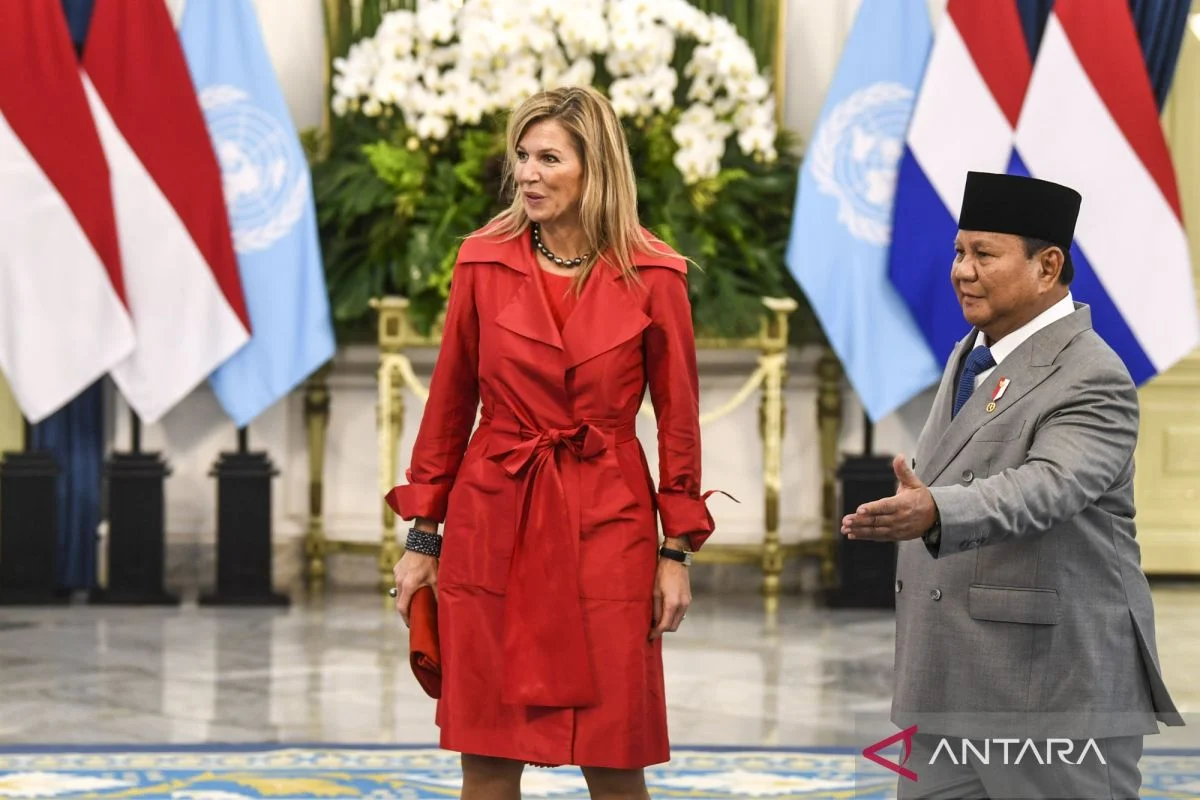
The culmination of the visit was a significant meeting with the President of the Republic of Indonesia, Prabowo Subianto, at the Istana Merdeka (Merdeka Palace) in Jakarta. The meeting included a one-on-one session followed by a working lunch. During this meeting, Queen Máxima conveyed her key findings, observations, and impressions from her extensive tour, offering strategic recommendations based on her global advocacy experience. President Subianto reportedly expressed deep appreciation for Queen Máxima’s continued support for Indonesia’s financial inclusion agenda. A Presidential spokesperson, inferring from the context, might have stated, "Her Majesty’s insights are invaluable as Indonesia strives to build a more equitable and financially resilient society. We are committed to leveraging innovation and partnerships to achieve our national goals." This high-level exchange served to reaffirm the strong partnership between Indonesia, the Netherlands, and the United Nations in advancing shared development objectives.
Broader Impact and Implications of the Visit
Queen Máxima’s fifth visit as UNSGSA to Indonesia carries significant implications across several dimensions:
-
Policy Reinforcement and Innovation: The visit is expected to reinforce existing government policies on financial inclusion and potentially inspire new initiatives, particularly in areas like digital finance for MSMEs, gender-focused financial services, and innovative models such as the "Bank Sampah" for housing finance. Her advocacy provides external validation and often encourages accelerated implementation of strategic plans.
-
Public Awareness and Engagement: High-profile visits by global figures like Queen Máxima elevate public awareness about the importance of financial literacy and access to financial services. Media coverage and community engagements help to demystify financial concepts and encourage greater participation in the formal financial system.
-
Private Sector Mobilization: Her interactions with garment factories, Deloitte, and the IFC send a clear signal to the private sector about the economic and social benefits of investing in financial health initiatives for employees and clients. This can spur further corporate social responsibility efforts and the development of inclusive business models.
-
International Cooperation: The visit strengthens bilateral ties between Indonesia and the Netherlands on development issues and reinforces Indonesia’s commitment to the UN Sustainable Development Goals, particularly Goal 1 (No Poverty), Goal 5 (Gender Equality), and Goal 8 (Decent Work and Economic Growth), all of which are significantly impacted by financial inclusion. It positions Indonesia as a key player in the global dialogue on inclusive finance.
-
Focus on Financial Health: By consistently emphasizing "financial health" over mere "access," Queen Máxima continues to shift the global discourse towards the quality and impact of financial services on people’s lives. This holistic approach encourages policymakers and providers to develop solutions that genuinely improve well-being and resilience.
In conclusion, Queen Máxima’s latest working visit to Indonesia as the UNSGSA for Inclusive Finance for Development has been a multifaceted and impactful engagement. From the factory floors of Sragen to the presidential palace in Jakarta, her advocacy has touched upon various facets of Indonesia’s financial landscape, reinforcing commitments, highlighting innovative solutions, and fostering dialogue among key stakeholders. The visit serves as a testament to the ongoing partnership and a catalyst for further progress in building a more financially inclusive and resilient Indonesia.