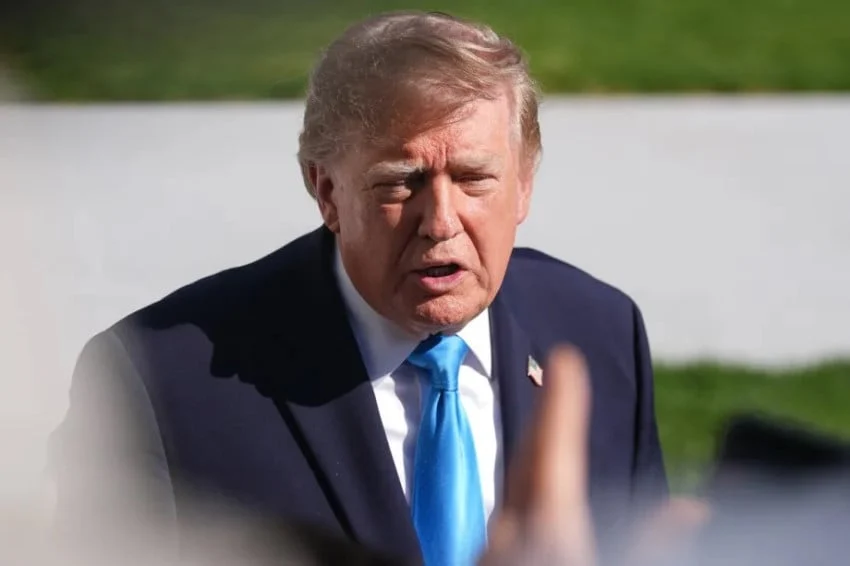
In a significant diplomatic maneuver reflecting shifting geopolitical dynamics in the Middle East, senior officials in Riyadh have formally urged the administration of United States President Donald Trump to embrace diplomatic channels and exercise restraint rather than pursuing military confrontation with Iran. According to intelligence and diplomatic reports emerging from regional networks, the Saudi leadership’s primary apprehension centers on the extreme vulnerability of the Kingdom’s multi-billion-dollar oil infrastructure and critical energy facilities, which could immediately become targets for retaliatory Iranian missile strikes or asymmetric drone assaults should hostilities break out.
The behind-the-scenes diplomatic push underscores a profound transformation in Riyadh’s foreign policy posture. Rather than welcoming aggressive U.S. posturing or advocating for regime change through military means, Saudi Arabia has increasingly prioritized regional stability, economic diversification under its Vision 2030 framework, and direct dialogue with historical adversaries. The unfolding diplomatic efforts, mediated through complex multi-national channels involving regional heavyweights, highlight a concerted effort to insulate the Arabian Peninsula from the devastating economic and physical fallout of another large-scale Gulf war.
Diplomatic Outreach and High-Level Regional Visits
The conveyance of Riyadh’s message to Washington was not an isolated diplomatic cable, but rather the culmination of a broader, highly coordinated regional peace initiative. Reports indicate that the communication followed closely on the heels of a high-stakes diplomatic visit to Tehran undertaken by Saudi Arabia’s Minister of Defense, Prince Khalid bin Salman.
Significantly, Prince Khalid did not travel alone. He was accompanied by senior military and intelligence leadership, including the head of the Pakistani army and the chief of Turkish intelligence. This tripartite engagement involving Saudi Arabia, Pakistan, and Turkey signals an emerging regional security architecture designed to manage crises independently of Western military intervention. The inclusion of Pakistan—a nuclear-armed state with deep historical and military ties to both Saudi Arabia and the broader Muslim world—alongside Turkey, a vital NATO member with substantial regional leverage, provided the visit with exceptional diplomatic weight.
The primary objective of this mission was multifaceted: to establish back-channel communications, reassure Tehran of Riyadh’s desire for de-escalation, and lay the groundwork for a viable mediation framework between the White House and the Iranian government. By positioning itself as a proactive mediator rather than a passive bystander, Saudi Arabia aims to steer the Trump administration away from a destabilizing military trajectory and toward renewed diplomatic negotiations.
The Nexus of Vulnerability: Protecting Saudi Energy Infrastructure
At the heart of Riyadh’s urgent appeals to Washington lies the painful memory of past attacks on its critical infrastructure. The September 2019 drone and cruise missile strikes targeting the Abqaiq processing facility and the Khurais oil field temporarily knocked out half of Saudi Arabia’s petroleum production, sending shockwaves through global energy markets. Although Tehran denied direct involvement, the incident demonstrated the devastating efficacy of asymmetric warfare employed by Iran and its regional proxies against sophisticated air defense systems.
In the years following that watershed moment, Saudi policymakers have calculated that any renewed U.S.-led military campaign against Iran would inevitably invite asymmetric retaliation. Given the geographic proximity of Iranian missile installations to the Gulf states, vital desalination plants, power grids, airports, and oil export terminals would be directly in the line of fire.
The economic implications for the Kingdom are stark. Saudi Arabia is heavily committed to massive capital-intensive projects designed to transition its economy away from absolute reliance on crude oil revenues. A major military conflict in the Persian Gulf would instantly paralyze trade, skyrocket insurance rates for maritime shipping through the Strait of Hormuz, deter foreign direct investment, and potentially plunge global energy markets into a severe supply crisis. Consequently, Riyadh views the prevention of war not merely as a diplomatic preference, but as an existential national security imperative.
U.S.-Iran Channels and the Prospect of Renewed Negotiations
While Riyadh presses the White House for diplomatic patience, channels of communication between Washington and Tehran are reportedly beginning to test the waters for potential engagement. Reports indicate that Iranian authorities have acknowledged receiving direct communications from senior U.S. officials, including U.S. Vice President J.D. Vance, regarding the theoretical resumption of bilateral or indirect negotiations.
The Trump administration’s approach to Iran remains a subject of intense global scrutiny. During his previous tenure, President Trump pursued a policy of "maximum pressure," withdrawing the United States from the 2015 Joint Comprehensive Plan of Action (JCPOA)—commonly known as the Iran nuclear deal—and reinstating sweeping economic sanctions. While that campaign inflicted severe damage on the Iranian economy, it also accelerated Tehran’s nuclear enrichment activities and triggered a cycle of maritime sabotage and regional escalation.
The current signals from Washington suggest a willingness to explore whether a transactional diplomatic framework can be achieved, provided that Iran curtails its nuclear advancements and reins in its regional network of proxy militias. However, deep-seated mistrust, divergent red lines, and the volatile nature of Middle Eastern politics mean that any path toward genuine negotiations will be fraught with peril.
Timeline of Escalation and Recent Diplomatic Shifts
To understand the current urgency in Riyadh and Washington, it is essential to examine the chronological progression of events leading to this diplomatic juncture:
- May 2018: The United States officially withdraws from the JCPOA, initiating the maximum pressure campaign against Iran.
- September 2019: Precision drone and missile strikes hit Saudi Arabia’s Abqaiq and Khurais oil facilities, dramatically highlighting the vulnerability of Gulf energy infrastructure.
- March 2023: In a landmark diplomatic breakthrough brokered by China, Saudi Arabia and Iran agree to restore diplomatic ties, reopen embassies, and honor past security cooperation agreements, signaling a strategic shift toward regional dialogue.
- Late 2024 to Early 2025: Following transitions in global political leadership, including the return of Donald Trump to the White House, regional actors intensify pre-emptive diplomatic outreach to forestall potential military escalations.
- Recent Weeks: Saudi Defense Minister Prince Khalid bin Salman visits Tehran accompanied by Pakistani and Turkish officials, directly preceding Riyadh’s urgent appeal to Washington to give diplomacy a chance. Concurrently, Iran confirms receipt of outreach messages from U.S. leadership regarding prospective talks.
Fact-Based Analysis of Implications
The unfolding diplomatic dynamic carries profound implications for global geopolitics, energy security, and the balance of power in the Middle East.
1. The Erosion of Unilateral Western Hegemony
The active mediation role assumed by Saudi Arabia, alongside regional powers like Turkey and Pakistan, illustrates a decisive evolution in Middle Eastern diplomacy. Regional capitals are increasingly unwilling to allow external powers to dictate the security architecture of the Gulf. By taking agency into their own hands, these nations are attempting to insulate themselves from the collateral damage of superpower rivalries.
2. The Fragility of Global Energy Markets
Energy markets remain exceptionally sensitive to geopolitical friction in the Middle East. Approximately a fifth of the world’s petroleum passes through the Strait of Hormuz. Any credible threat of military confrontation between the U.S. and Iran invariably triggers speculative spikes in crude oil prices, fueling global inflation. Riyadh’s demand for diplomatic restraint is therefore a stabilizing force that reassures international markets.
3. The Dilemma of Deterrence vs. Engagement
For the Trump administration, the Saudi plea presents a complex strategic choice. Relying solely on military deterrence risks miscalculation and all-out regional war. Conversely, pursuing negotiations without adequate safeguards risks empowering a regime that continues to expand its nuclear capabilities and support regional proxies. The administration must carefully calibrate its pressure tactics to bring Tehran to the negotiating table without triggering the very conflagration Riyadh is desperately trying to avoid.
Official Responses and International Reactions
International reaction to the behind-the-scenes diplomatic scramble has been cautiously optimistic, mixed with underlying anxiety. European Union diplomats have welcomed the regional mediation efforts, reiterating their longstanding position that the Iranian nuclear file can only be resolved through sustainable diplomatic engagement rather than military confrontation.
Meanwhile, representatives from various Gulf Cooperation Council (GCC) member states have expressed unanimous support for Saudi Arabia’s diplomatic outreach. Neighboring states, heavily reliant on regional stability for their respective tourism and economic diversification programs, share Riyadh’s acute anxiety regarding the catastrophic potential of renewed military conflict.
In Washington, official statements from the White House and the Department of State have remained tight-lipped regarding specific back-channel communications, reiterating standard policy that all options remain on the table while emphasizing a preference for preventing Iran from acquiring a nuclear weapon. However, foreign policy analysts note that the administration’s receptiveness to the warnings from Riyadh and other key allies will likely dictate whether the coming months are characterized by dangerous escalation or cautious diplomatic breakthroughs.
As the situation continues to evolve, the diplomatic tightrope walked by Saudi Arabia will serve as a crucial barometer for Middle Eastern stability. By successfully bridging the gap between Washington and Tehran through multilateral regional engagement, Riyadh hopes to secure not only its own physical and economic borders, but also a more predictable and peaceful future for the entire Gulf region.