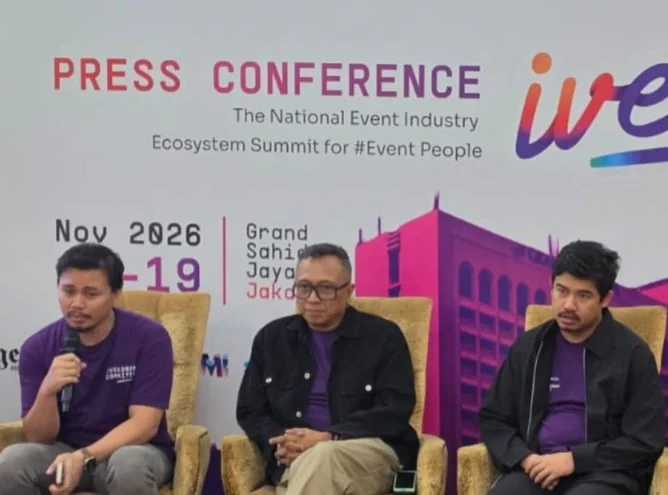
JAKARTA — The Indonesian event management industry is undergoing a critical transformation as stakeholders increasingly push for structured, data-driven methodologies to quantify the economic contribution of every staged event. Moving beyond traditional metrics such as ticket sales and attendance headcounts, industry leaders are championing a comprehensive approach known as the Experience/Event Economic Calculator (EEC). This cutting-edge evaluation framework is slated to take center stage at the upcoming Indonesia Event Management Summit (IVES) 2026, an event designed to reshape how commercial gatherings, entertainment productions, and business conventions evaluate their true footprint on the national economy.
The urgency for standardized economic measurement stems from a broader realization within the archipelago’s creative economy: while events visibly animate local commerce, their long-term structural value has historically been difficult to capture in concrete financial terms. By implementing frameworks like the EEC, organizers aim to bridge the gap between perceived popularity and verifiable fiscal impact, paving the way for sustainable industry growth, enhanced investor confidence, and more targeted governmental support.
The Evolution of Event Valuation and the Role of the EEC
For decades, the success of an event in Indonesia was predominantly measured by superficial indicators—specifically, the speed of ticket sell-outs and the physical density of the crowd. While these metrics remain important for immediate commercial viability, they fail to paint a complete picture of how capital circulates through an ecosystem sparked by a single gathering.
The Experience/Event Economic Calculator (EEC) changes this dynamic by offering a holistic approach to valuing an event. The framework tracks a vast web of economic interactions, spanning direct business opportunities, localized financial velocity, business-to-business collaborations, and the broader socio-economic impact on host communities and surrounding regions.
Rather than isolating box-office revenues, the EEC accounts for the multiplier effects felt across multiple auxiliary sectors. This includes the hospitality industry, commercial transport networks, local culinary and food-and-beverage suppliers, entertainment sub-contractors, and technical production service providers. By translating these diverse touchpoints into quantifiable data, the industry can present a compelling case to policy-makers, financial institutions, and corporate sponsors regarding the undeniable value of the events sector.
Speaking on the strategic implementation of this tool, Konect CEO Aryo Febrian Moedanton emphasized the necessity of bridging economic return with consumer experience. "Through the EEC, we want to help industry players measure both the economic impact and the experiential value generated by an event," Moedanton stated. "This measurement serves as the foundation for improving the quality of implementation and demonstrating the real contribution of the industry to the broader economy."
Background Context and the Strategic Vision of IVES 2026
The Indonesia Event Management Summit has steadily evolved into the premier annual gathering for professionals across the nation’s festival, concert, conference, and exhibition sectors. Established to professionalize an industry that experienced rapid, often fragmented growth in the post-pandemic era, IVES serves as an essential knowledge-sharing and networking hub.
As Indonesia positions its creative economy as a primary driver of future gross domestic product (GDP) diversification, events are no longer viewed merely as entertainment outlets. Instead, they are recognized as powerful catalysts for tourism, regional development, and foreign direct investment.
The theme chosen for IVES 2026—"From Invisible to Indispensable," accompanied by the actionable tagline "Make It Count"—encapsulates the current psychological and operational shift within the sector. The summit aims to transition event management from a background service industry into an indispensable pillar of national economic strategy. This requires not only sophisticated financial tracking tools like the EEC, but also a disciplined approach to intellectual property (IP) development and rigorous technical execution.
Intellectual Property and Long-Term Viability in the Creative Sector
A major sub-discussion within the overarching framework of IVES 2026 involves the commercial maturation of intellectual property, particularly within the entertainment and music sectors. In an era where digital consumption can manufacture overnight sensations that fade just as quickly, building lasting brand equity requires deliberate strategy and structural resilience.
Chandra Samhari, Head of Marketing & Promotion at Musica, addressed this challenge by pointing out that the proliferation of creative works and musical IP demands a strong identity and uncompromising consistency. According to Samhari, true industry longevity is forged through the deliberate cultivation of deep, sustained relationships with audiences, ensuring that events and the properties behind them transcend fleeting trends.
This perspective resonates deeply with event producers who are increasingly investing in proprietary festivals and recurring brand activations rather than one-off productions. By nurturing sustainable IPs, organizers can secure predictable revenue streams, attract institutional sponsorship, and build international export potential for Indonesian creative content.
Operational Excellence and Technical Standards
While data analytics and intellectual property form the conceptual backbone of modern event management, the ultimate viability of any production rests on flawless operational execution. Reza Pamungkas, Chairman of the Presidium of the Indonesian Association of Promoters (API), underscored this reality by cautioning against the temptation to measure success solely by commercial sell-out rates.
Pamungkas noted that technical readiness, meticulous production management, and seamless team coordination are non-negotiable pillars of professional event staging. When technical execution fails, the reputational damage extends far beyond the individual promoter, affecting consumer trust across the entire market. Ensuring that operational standards match artistic ambition is therefore vital to fulfilling the promises made to ticket-holding audiences and corporate stakeholders alike.
Chronology of Industry Transformation and Milestones
To understand the current trajectory leading up to IVES 2026, it is helpful to examine the chronological evolution of Indonesia’s event management landscape over recent years:
- 2020–2021 (The Pandemic Disruption): The global health crisis brought the live events sector to a complete standstill, exposing the vulnerability of unstructured businesses reliant entirely on daily ticket sales. This period catalyzed discussions regarding financial resilience and state support.
- 2022–2023 (The Post-Pandemic Resurgence): Pent-up consumer demand triggered an unprecedented boom in concert and festival attendance, often referred to as "revenge spending." However, this rapid recovery also highlighted severe operational bottlenecks, crowd-control challenges, and a lack of standardized safety protocols.
- 2024–2025 (Professionalization and Institutionalization): Industry associations, regulatory bodies, and private sector leaders began pushing aggressively for standardized licensing, transparent permitting processes, and professional certification programs for event crews and producers.
- 2026 and Beyond (The Data-Driven Era): The upcoming summit marks a decisive pivot toward sophisticated economic quantification, exemplified by the adoption of the EEC framework, institutionalized IP development, and formalized operational benchmarks.
Fact-Based Analysis of Implications for the Indonesian Economy
The systematic integration of tools like the Experience/Event Economic Calculator carries profound implications for multiple stakeholders within the Indonesian economic ecosystem.
For event promoters and producers, adopting structured impact metrics allows for more persuasive pitching to venture capitalists, private equity firms, and commercial banks. Historically, the events sector was perceived as high-risk due to its intangible asset base. By quantifying auxiliary spending—such as hotel bookings, local transportation, and regional hospitality turnover—promoters can present comprehensive risk-return profiles that attract institutional capital.
For regional governments and tourism boards, the shift toward precise data collection enables more efficient allocation of public funds. Municipalities that host major festivals or international conferences can measure exact return on investment (ROI) in terms of tax revenues, job creation, and infrastructural utilization. This data-backed insight prevents the misallocation of public subsidies and encourages local administrations to streamline bureaucratic hurdles for event organizers.
For auxiliary service providers—ranging from staging and lighting technicians to catering and security firms—structured industry growth guarantees higher professional standards, better labor protections, and more predictable long-term contracts. As the industry moves away from informal, last-minute subcontracting toward formalized supply chains, the entire workforce benefits from enhanced training and career stability.
Conclusion and Outlook Toward IVES 2026
As preparations for the Indonesia Event Management Summit 2026 accelerate, the message from industry leaders is unequivocal: the era of unstructured growth and superficial success metrics has come to an end. Through the implementation of advanced economic calculators, a renewed focus on intellectual property resilience, and an unwavering commitment to operational excellence, the Indonesian event management sector is positioning itself as a vital economic engine.
By proving its indispensable value to the national economy through verifiable data, the industry is not only securing its own commercial future but also cementing Indonesia’s status as a premier destination for world-class events, entertainment, and business tourism in Southeast Asia.