PT PLN Energi Primer Indonesia (PLN EPI), a subholding of state-owned electricity giant PT PLN (Persero), has officially commended the remarkable acceleration of biomass adoption at the Rembang Steam Power Plant (PLTU Rembang) located in Central Java. The facility successfully recorded a biomass intake reaching nearly 185,000 tons throughout the 2025 operational period. This significant milestone underscores the ongoing success of Indonesia’s national energy transition roadmap, particularly the optimization of the biomass cofiring program designed to systematically reduce carbon emissions generated by conventional coal-fired power plants.
The continuous upward trajectory of biomass supply at PLTU Rembang reflects a broader, highly strategic shift within Indonesia’s primary energy sector. By substituting a portion of hard coal with sustainable biomass—such as agricultural waste, wood pellets, and palm oil empty fruit bunches—PLN is actively curbing its greenhouse gas footprint without compromising grid reliability. The achievement at the Central Java facility serves as a benchmark for other thermal power plants operating across the archipelago, demonstrating that large-scale green energy integration is both technically feasible and operationally sustainable.
Operational Excellence and Innovative Supply Chain Management
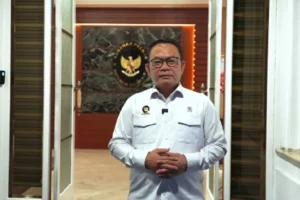
During a comprehensive field inspection of the Rembang facility, PLN EPI Biomass Director Hokkop Situngkir expressed deep appreciation for the plant’s robust operational framework and innovative supply chain logistics. He noted that PLTU Rembang has transformed into one of the most efficient and high-volume biomass-receiving thermal plants within PLN’s national portfolio.
"PLTU Rembang has emerged as one of the power plants with the highest biomass acceptance rates in 2025. I am exceptionally pleased with the intake volumes and the localized innovations implemented here to streamline logistics," Situngkir stated during an official press briefing following his site visit.
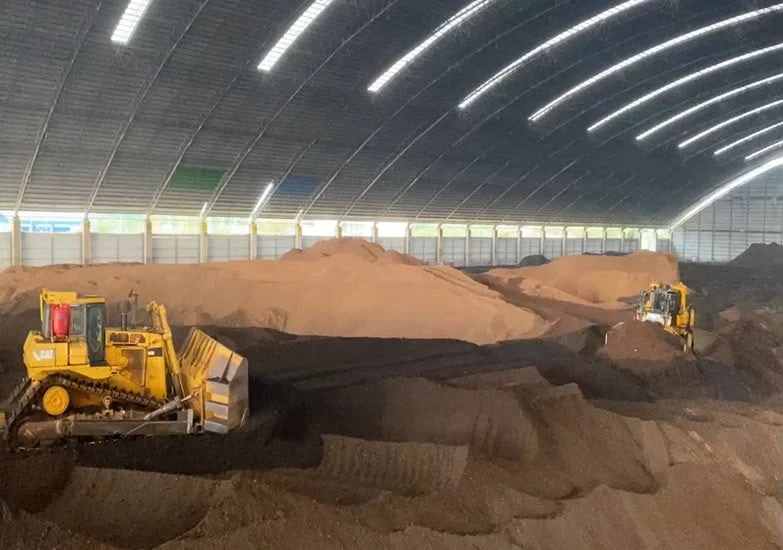
A key driver behind this success is the plant’s innovative approach to biomass material handling and storage management. Unlike traditional facilities that often face bottlenecks during peak delivery windows, PLTU Rembang has engineered a dual-zone storage system coupled with two independent access points. This dual-infrastructure model ensures that if one storage zone reaches maximum capacity, incoming biomass shipments can be seamlessly rerouted to the alternative zone. Consequently, unloading and storage operations proceed without interruption, eliminating truck queues and preventing logistical friction that could otherwise delay plant operations.
Furthermore, the facility utilizes two distinct entry routes—designated as the southern and northern gates—each boasting a storage and processing capacity of approximately 13,000 tons of biomass. This thoughtful engineering design has allowed the plant to maintain a consistent cofiring ratio ranging between 5 and 10 percent, depending on load requirements and seasonal biomass availability.
Multi-Year Growth Trajectory and Chronological Expansion
The exponential growth in biomass utilization at PLTU Rembang did not happen overnight; it is the result of a deliberate, multi-year scaling strategy implemented by PLN EPI in coordination with local suppliers, agricultural cooperatives, and plant management.
Reviewing the historical data spanning from 2023 to 2025 reveals a clear and aggressive upward trend in green fuel adoption:
- The 2023 Foundation Phase: During the initial rollout of widespread commercial cofiring at the facility, PLTU Rembang recorded an annual biomass intake of approximately 76,000 tons. This period focused primarily on testing various biomass compositions, establishing reliable supply chains with local farming communities, and fine-tuning boiler compatibility.
- The 2024 Scaling Phase: Building upon the technical successes of the previous year, supply chains matured significantly. Total biomass intake surged by more than 55 percent, reaching approximately 118,000 tons. Plant operators successfully integrated higher percentages of agricultural residues into the combustion chambers without experiencing technical degradation or efficiency losses.
- The 2025 Acceleration Phase: Driven by enhanced storage innovations, optimized logistics, and stronger feedstock procurement contracts, biomass intake soared to nearly 185,000 tons. This represents more than a twofold increase compared to the figures recorded just two years prior, cementing the facility’s status as a frontrunner in PLN’s green energy transition.
This chronological progression highlights the methodical scaling required to transition a base-load coal-fired power plant into a hybrid facility capable of handling substantial volumes of solid biofuels.
The Broader Strategic Context: Decarbonizing Indonesia’s Power Grid
The success at PLTU Rembang is a critical component of PLN’s overarching strategy to meet Indonesia’s ambitious Nationally Determined Contributions (NDC) under the Paris Agreement, as well as the national target of achieving Net Zero Emissions (NZE) by 2060 or sooner. Coal remains a dominant source of baseload electricity in Southeast Asia’s largest economy, making immediate, wholesale decommissioning economically and operationally challenging in the short term.
To bridge the gap between energy security and environmental sustainability, PLN introduced large-scale biomass cofiring across dozens of its coal-fired power plants. Cofiring allows the utility to utilize existing physical infrastructure while instantly lowering the carbon intensity of the electricity generated. When biomass replaces coal, the carbon dioxide released during combustion is theoretically offset by the carbon absorbed during the growth lifecycle of the biomass feedstock, rendering the process carbon-neutral under standard accounting frameworks.
Beyond carbon mitigation, the aggressive scaling of biomass procurement generates profound socioeconomic ripple effects across rural and agrarian communities. PLN EPI has actively cultivated decentralized supply ecosystems, known as Green Energy Villages and local biomass aggregation hubs. By sourcing agricultural waste—such as sawdust, rice husks, napier grass, and wood chips—directly from local farmers, smallholders, and forestry groups, the program creates a secondary circular economy. This initiative not only diverts waste from open burning and landfills but also injects millions of rupiah into regional economies, fostering grassroots green jobs.
Technical Implications and Future Outlook for PLTU Rembang
From a technical standpoint, maintaining a 5 to 10 percent cofiring ratio requires rigorous monitoring of boiler chemistry, ash fusion temperatures, and emission profiles. High alkali content in certain types of biomass can lead to slagging, fouling, and corrosion within boiler tubes if not properly managed. The engineering team at PLTU Rembang has successfully navigated these metallurgical challenges through precise fuel blending, advanced combustion control systems, and routine maintenance protocols.
Looking ahead, PLN EPI plans to leverage the lessons learned from Rembang to further optimize biomass supply chains nationwide. The agency is currently working on expanding long-term supply contracts, improving pre-treatment technologies to increase energy density, and upgrading logistics networks to handle even higher cofiring ratios in the coming years.
As Indonesia continues to balance the trilemma of energy security, affordability, and environmental sustainability, initiatives like the biomass acceleration at PLTU Rembang provide a practical, scalable blueprint. By combining infrastructural innovation, astute logistical management, and a commitment to local economic empowerment, PLN EPI is proving that traditional fossil-fuel assets can play a vital, transitional role in the nation’s unfolding clean energy future.