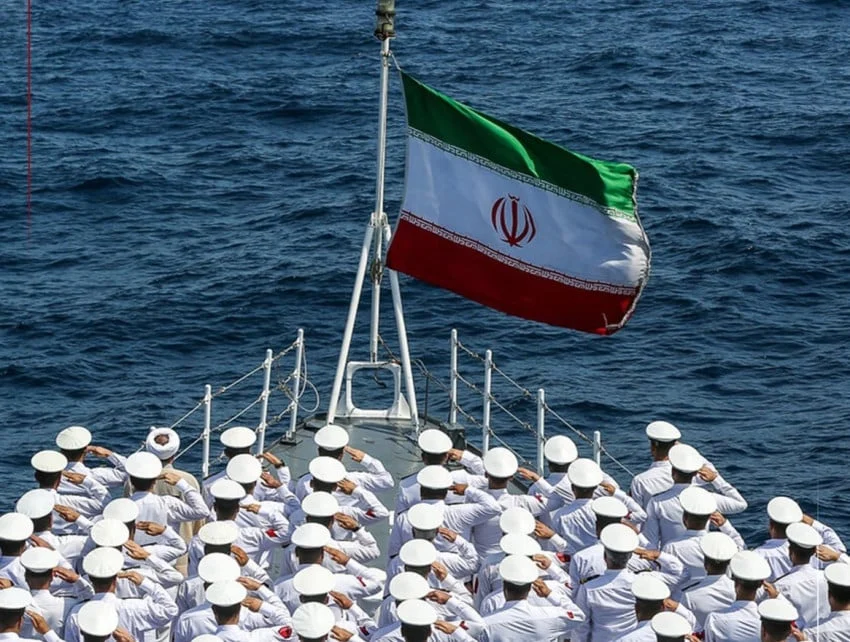
TEHRAN — In a significant evolution of regional security dynamics in the Middle East, recent directives attributed to prominent figures within Iran’s power structure, including Mojtaba Khamenei, signal a profound transformation in the Islamic Republic’s military doctrine. According to defense analysts, Tehran is systematically abandoning its historical reliance on proportional deterrence and defensive posture, transitioning instead toward a proactive, highly aggressive strategy. This shift involves responding to perceived threats directly and without geographical constraints, a development that introduces heightened unpredictability into an already volatile geopolitical landscape.
The policy pivot underscores a calculated effort by the Iranian leadership to reshape the rules of engagement with traditional adversaries, most notably the United States and Israel. By signaling a willingness to expand the geographical scope of retaliation and impose severe, unpredictable costs on opponents, Tehran aims to deter future military actions by raising the stakes of any direct confrontation to an unacceptable level.
The Anatomy of the Strategic Shift
The core of this evolving military thought centers on a departure from conventional deterrence theory. Historically, Iran’s defense strategy relied heavily on "forward defense," utilizing a network of regional allies and proxies—often referred to as the Axis of Resistance—to project power and deter attacks on Iranian soil. Retaliation was typically calibrated to be proportional, avoiding a direct, all-out military escalation that could threaten the regime’s survival.
However, recent pronouncements analyzed by regional experts indicate a stark departure from this caution. Hamidreza Azizi, an Iran military expert at the Crisis Group, highlighted this transition in a series of public analyses. Azizi pointed to directives emphasizing direct responses to threats "without geographical boundaries" as the most critical tactical development in recent geopolitical tracking.
"This language signals a further evolution in Iran’s military strategy," Azizi noted, observing that Tehran is moving away from traditional proportional responses. Instead, the focus has shifted toward an explicitly offensive approach designed to inflict maximum economic, strategic, and operational costs on adversaries. By asserting that Iran will unilaterally dictate the terms, timing, and conclusion of any potential conflict, Tehran is directly challenging long-held assumptions in Washington and allied capitals regarding limited military options.
Challenging Washington’s Calculus of Escalation Control
For decades, military planners in the United States and Israel have operated under the assumption that targeted, limited strikes could degrade Iranian capabilities or deter specific behaviors without triggering a full-scale regional war. Western military doctrine often assumes that escalation can be managed, controlled, and halted before reaching a catastrophic threshold.
The new directives from Tehran explicitly target this strategic assumption. The core message communicated by Iranian leadership is that no strike—regardless of how limited or surgical it may appear to Western planners—will be treated as an isolated incident. Instead, any aggressive action is expected to unleash a disproportionate, multi-front response that disregards traditional borders and targets assets far beyond the immediate zone of conflict.
From the perspective of Iranian strategic planners, injecting this high degree of unpredictability is essential for successful deterrence. If Washington and its allies believe that a limited operation could spiral into an uncontrolled regional conflagration affecting global commerce, energy markets, and international security infrastructure, the perceived utility of launching such an attack diminishes significantly.
The Dual Track: Diplomacy Coupled with Credible Military Posturing
Despite the hardening of military rhetoric and the adoption of an offensive doctrine, international relations observers note that Iran is not entirely abandoning diplomatic channels. Statements from key political and military figures—including figures linked to the inner circles of power such as Mojtaba Khamenei, alongside senior officials like strategic advisor Mohsen Rezaei and Foreign Minister Abbas Araghchi—suggest a coordinated dual-track approach.
This strategy involves maintaining diplomatic engagement and keeping negotiation channels open while simultaneously establishing a credible, highly punitive military fallback position. In essence, Tehran is attempting to strengthen its hand at the negotiating table by demonstrating that the failure of diplomacy will carry catastrophic regional consequences. This approach is designed to compel adversaries to take Iranian red lines seriously, raising the diplomatic cost of maintaining maximum pressure campaigns.
Background Context and Regional Implications
To fully understand the weight of this strategic pivot, one must examine the broader historical context of Iran’s military evolution over the past decade. Following the unilateral withdrawal of the United States from the Joint Comprehensive Plan of Action (JCPOA) in 2018 and the subsequent reinstatement of severe economic sanctions, Iran steadily accelerated its nuclear advancements and upgraded its conventional military capabilities.
The assassination of high-ranking Iranian military commanders and nuclear scientists over the years further exposed vulnerabilities in Iran’s strictly reactive posture. These events catalyzed internal debates within the Islamic Revolutionary Guard Corps (IRGC) and the broader military establishment regarding the efficacy of strategic patience. The conclusion, as reflected in recent policy shifts, is that passive or purely reactive measures invite further penetrations and aggression from adversaries.
The implications of this shift are profound for regional security:
- Heightened Risk of Miscalculation: With both sides adopting less predictable postures and abandoning traditional restraint frameworks, the margin for error narrows significantly. A localized incident or tactical misjudgment could rapidly cascade into a major theater-wide conflict.
- Impact on Global Energy Markets: Given Iran’s geographic position along the Strait of Hormuz—a critical chokepoint through which a substantial portion of the world’s petroleum passes—any widening of a conflict inherently threatens global energy supplies and maritime trade routes.
- Redefining Alliances: Regional states in the Persian Gulf, many of which have recently pursued diplomatic detentes with Tehran, find themselves re-evaluating their security architectures to insulate themselves from potential cross-border escalations.
Conclusion: A Dangerous New Normal
The reported shift in Iran’s military strategy toward an unbounded offensive posture marks a critical juncture in contemporary Middle Eastern geopolitics. By signaling a transition away from proportional deterrence and asserting the right to dictate conflict parameters, Tehran is attempting to rewrite the rules of engagement with global superpowers. While aimed at deterring hostile actions through the threat of uncontained escalation, this doctrine simultaneously elevates the risk of unintended, widespread conflict, signaling a dangerous new phase in international relations.