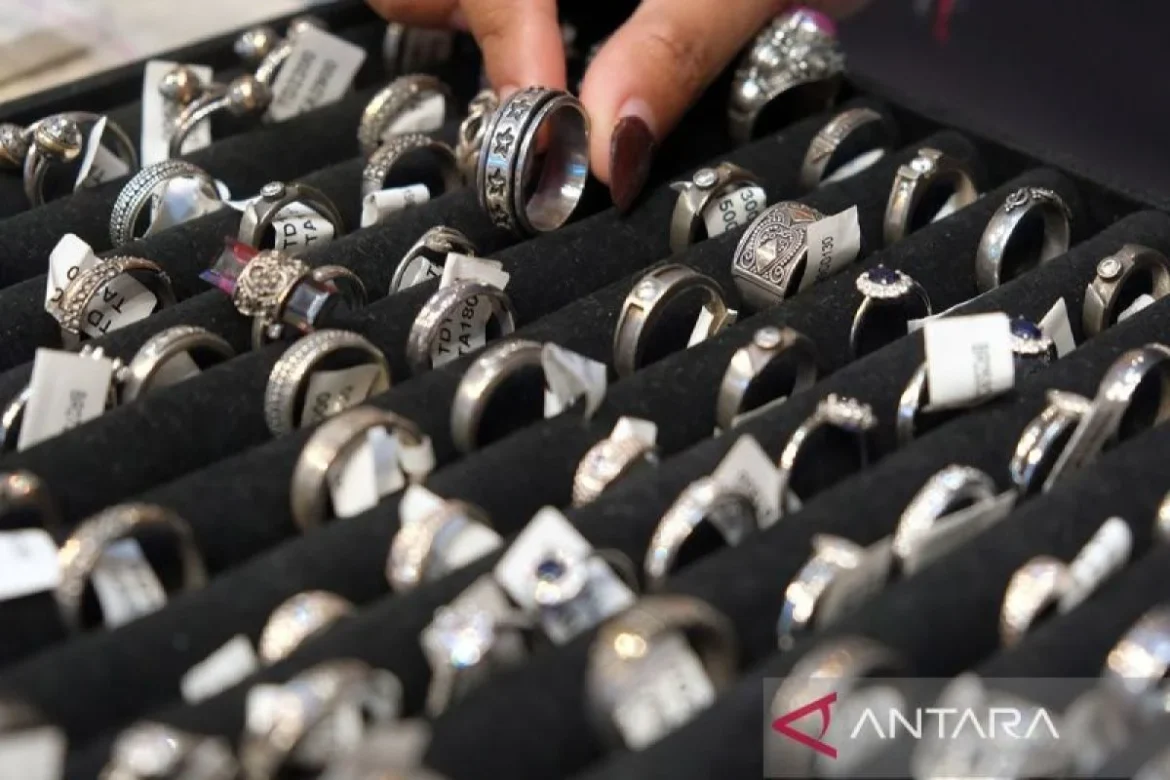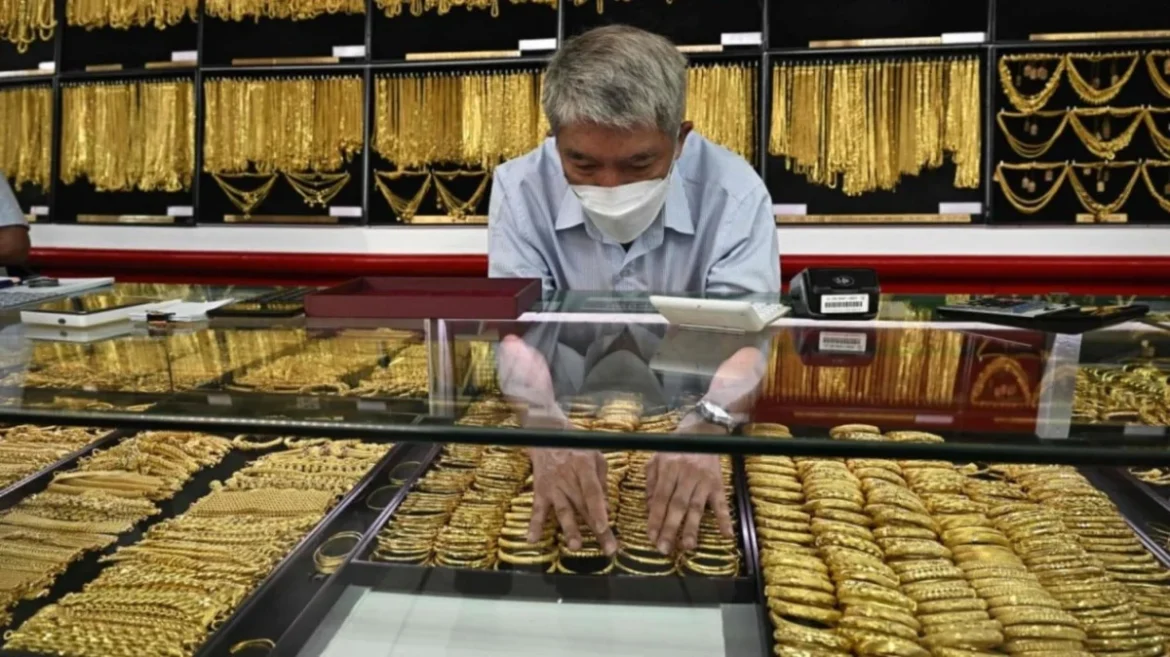
Jakarta (ANTARA) – Silver, often overshadowed by its illustrious counterpart, gold, is increasingly capturing the attention of investors worldwide as a compelling alternative asset. Its significantly more accessible price point, coupled with a unique blend of industrial demand and investment appeal, positions it as a noteworthy contender in the precious metals market. For individuals contemplating an entry into the realm of tangible assets but hesitant about the high capital requirements of gold, silver presents a viable and potentially rewarding avenue. However, the allure of this "poor man’s gold" is not without its complexities and inherent risks. A comprehensive understanding of both its advantages and disadvantages is paramount for any prospective investor looking to navigate the volatile landscape of silver commodities.
The Dual Nature of Silver: Industrial Workhorse and Investment Vehicle
Unlike many other precious metals, silver boasts a crucial dual role that underpins its market value and long-term potential. Beyond its traditional function as a store of value and a hedge against inflation, silver is an indispensable component in a vast array of industrial applications. Its unparalleled electrical and thermal conductivity, combined with its malleability and reflectivity, make it critical for modern technology. This pervasive industrial demand, spanning from advanced electronics to burgeoning green technologies, establishes a fundamental floor for its price and offers a unique dynamic not typically seen with gold, which is primarily driven by investment and jewelry demand.
The current global economic climate, characterized by persistent inflationary pressures, geopolitical tensions, and fluctuating equity markets, has reignited interest in precious metals as safe-haven assets. Against this backdrop, silver’s relative affordability compared to gold makes it particularly attractive to a broader spectrum of investors, including those with smaller capital allocations or those new to commodity markets. However, this accessibility also comes with a distinct set of challenges, particularly regarding market liquidity, price volatility, and the practicalities of physical ownership.
Advantages of Investing in Silver
Robust Industrial Demand: A Key Price Driver
Silver’s extensive industrial utility stands as a cornerstone of its investment appeal. Its exceptional conductivity and photosensitivity render it indispensable in numerous high-growth sectors. For instance, the burgeoning solar energy industry relies heavily on silver for photovoltaic cells, with each solar panel containing a small but critical amount of the metal. Similarly, the automotive sector, particularly with the rapid expansion of electric vehicles (EVs), utilizes silver in various electronic components due and connectors. Medical devices, advanced electronics, 5G technology, and water purification systems also contribute significantly to the industrial consumption of silver. This ever-expanding industrial base, driven by global innovation and the push towards sustainable technologies, creates a stable and growing demand curve. Analysts project that industrial demand will continue to be a dominant factor, potentially absorbing over 50% of annual global silver supply, which in the long run, could act as a consistent upward pressure on its market price, insulating it to some extent from purely speculative investment fluctuations. Data from the Silver Institute often highlights the consistent growth in industrial fabrication demand, underscoring its foundational role.
Aggressive Price Appreciation Potential
Historically, silver has demonstrated a tendency for more dramatic price movements compared to gold. While gold might see a steady appreciation, silver often exhibits more aggressive percentage gains during bull markets for precious metals. This characteristic has earned it the moniker "gold on steroids." For instance, during periods of significant economic uncertainty or inflationary spikes, silver prices have been known to surge disproportionately. It is not uncommon for silver to double or triple its value in periods where gold might only see a 50-100% increase. This amplified leverage means that investors with a higher risk tolerance could potentially realize substantial returns. However, this aggressive upside is inherently linked to an equally aggressive downside volatility, a factor that requires careful consideration. The gold-to-silver ratio, which tracks how many ounces of silver it takes to buy one ounce of gold, often provides insights into potential undervaluation or overvaluation of silver relative to gold, and historically, when this ratio is high, silver has shown a greater propensity for a strong rebound.
Enhanced Accessibility and Affordability
One of silver’s most compelling attributes is its relative affordability. Priced significantly lower per ounce or gram than gold, silver lowers the barrier to entry for many new investors. This accessibility allows individuals with more modest budgets to participate in the precious metals market, enabling them to start building a tangible asset portfolio without requiring substantial upfront capital. For retail investors and those just beginning their investment journey, silver offers a practical starting point for diversifying away from traditional paper assets. This democratizing aspect of silver investment broadens its appeal and encourages wider participation, fostering a more inclusive market for precious metals. The lower price point also makes dollar-cost averaging a more feasible strategy for regular, smaller investments over time.
Intrinsic Value, Scarcity, and Stability
Despite its industrial prevalence, silver remains a finite natural resource. Like all precious metals, its supply is limited by geological availability and mining capacity. This inherent scarcity, coupled with increasing global demand, provides a fundamental long-term value proposition. While its market cap is smaller than gold’s, which can contribute to higher volatility, its strong industrial demand base often provides a level of stability. Unlike some speculative assets, silver’s value is tethered to both its monetary history and its practical utility, preventing its price from collapsing entirely. Over centuries, silver has served as a medium of exchange and a store of wealth, reinforcing its perceived value across cultures and economic systems. Its role as a commodity essential for industrial progress ensures its continued relevance and value retention in the long term.
Effective Portfolio Diversification
Diversification is a cornerstone of sound investment strategy, aiming to mitigate risk by spreading investments across various asset classes. Silver serves as an excellent diversifier, particularly against traditional financial assets like stocks and bonds. Precious metals, including silver, often exhibit a low or inverse correlation with equity markets, meaning their prices tend to move independently or even in opposition to stock market trends. During periods of economic downturn, market uncertainty, or inflationary pressures, silver can act as a hedge, preserving capital when other assets might be faltering. By allocating a portion of a portfolio to silver, investors can reduce overall portfolio volatility and enhance stability, thereby protecting their financial health against unexpected market shocks. This strategic inclusion helps in creating a more resilient investment portfolio.
Disadvantages and Risks of Silver Investment
Limited Liquidity and Niche Market Access
While silver is globally traded, its physical market, especially for retail investors in certain regions like Indonesia, can be considerably less liquid than that of gold. The ecosystem for buying and selling physical silver bullion, coins, or bars is often smaller and more specialized. This limited access means investors might face challenges finding reliable vendors for purchases or reputable buyers when they decide to sell. The fewer available market participants can lead to wider bid-ask spreads (the difference between buying and selling prices) and potentially longer transaction times compared to gold, which enjoys a vast, highly liquid global market with numerous dealers and exchanges. Consequently, converting physical silver into cash at a competitive market price can sometimes require more effort and patience, making it less ideal for investors requiring immediate access to their capital.
High Volatility and Significant Price Spreads
The aggressive price appreciation potential of silver is a double-edged sword. Its market is known for high volatility, meaning prices can swing dramatically and rapidly in both upward and downward directions. This heightened fluctuation can present significant risks, particularly for short-term investors or those sensitive to capital loss. Furthermore, the "spread"—the difference between the buying price (ask) and the selling price (bid)—for physical silver can be substantial. This wide spread means that the market price of silver needs to increase significantly just for an investor to break even on their initial purchase and cover the transaction costs. For example, a 5% spread requires a 5% price increase just to recoup the initial investment, before any profit can be realized. This characteristic makes silver a less suitable instrument for short-term trading strategies and emphasizes its role as a longer-term investment where price appreciation can eventually overcome these frictional costs. Historical data shows that silver’s daily price swings can often be two to three times greater than those of gold, reflecting its smaller market size and greater sensitivity to economic news and speculative trading.
Physical Vulnerability and Maintenance Requirements
Physically, silver is more reactive and less durable than gold. It is highly susceptible to tarnishing, a process of oxidation that occurs when silver is exposed to air, moisture, or certain chemicals, resulting in a dull, blackened appearance. This tarnishing directly impacts its aesthetic appeal and, consequently, its market value, especially for numismatic coins or collector’s items where pristine condition is paramount. Maintaining the luster and quality of physical silver requires meticulous care, including specialized airtight storage containers, silica gel packets to absorb moisture, and regular cleaning with appropriate silver polishing agents. This ongoing maintenance adds to the cost and effort of owning physical silver, a consideration not typically associated with the more inert and resilient gold. Neglecting proper care can lead to a devaluation of the asset over time.
Storage and Security Concerns
Due to its lower price per unit of weight compared to gold, a significant investment in silver typically translates to a much larger physical volume. This increased bulk necessitates more substantial storage space and more robust security measures. Storing large quantities of silver bars or coins at home significantly elevates the risk of theft or damage. While secure home storage options exist, they often come with their own costs and limitations. Alternatively, utilizing professional storage solutions such as a "Safe Deposit Box" (SDB) at a bank or a dedicated precious metals depository incurs recurring fees. These storage costs, along with potential insurance premiums to protect against loss, contribute to the overall operational expenses of silver investment, thereby eroding potential returns, especially for smaller investments or those held for extended periods. The logistical challenges and associated costs must be factored into the investment decision.
Dependence on Industrial Sector Health and Counterfeit Risk
Silver’s strong reliance on industrial demand means its price can be significantly impacted by global economic cycles. During periods of economic slowdown, recession, or geopolitical crises that disrupt manufacturing and industrial output (e.g., global pandemics, trade wars, or major conflicts), the demand for silver can plummet, leading to sharp price declines. This makes silver’s value somewhat tethered to the health of the global economy’s manufacturing arm. Furthermore, for novice investors, the risk of encountering counterfeit silver products is a serious concern. Silver bars and coins are relatively easier to replicate convincingly than gold, especially for less experienced buyers. Without proper knowledge, trusted suppliers, or verification through official assayers, investors can unknowingly acquire fake products, leading to substantial financial losses. Due diligence, purchasing from reputable dealers, and understanding authentication marks are crucial safeguards against this risk.
Market Dynamics and Historical Context
Historically, silver has often been referred to as "the devil’s metal" due to its notorious volatility. Its price movements are influenced by a complex interplay of factors: industrial demand, investment demand, supply from mining operations, central bank policies, and global economic sentiment. For instance, during the "Silver Thursday" incident in 1980, attempts by the Hunt brothers to corner the silver market led to extreme price fluctuations, highlighting the metal’s susceptibility to speculative forces. More recently, events like the 2008 financial crisis saw silver initially decline with other assets but then rebound sharply as investors sought safe havens and industrial activity recovered. The COVID-19 pandemic also demonstrated silver’s dual nature; an initial dip due to industrial shutdowns was followed by a strong recovery fueled by massive fiscal stimulus, inflation fears, and renewed industrial activity, particularly in green technologies.
The gold-to-silver ratio is a key metric often monitored by precious metals investors. Historically, this ratio has fluctuated significantly, from around 15:1 during much of the 20th century to over 100:1 during periods of market stress. When the ratio is high, it suggests silver might be undervalued relative to gold, potentially signaling an opportune time to invest in silver for those betting on a reversion to the mean. Conversely, a low ratio might suggest silver is relatively expensive. Currently, the ratio tends to hover between 70:1 and 90:1, indicating that silver, while having strong fundamentals, still retains significant room for price appreciation compared to gold, assuming historical trends hold.
Expert Perspectives and Investor Considerations
Market analysts generally agree that silver holds a unique position in the commodities market. Many financial advisors recommend a modest allocation to precious metals, including silver, as part of a well-diversified portfolio, typically ranging from 5% to 15% of total assets. This allocation is primarily for wealth preservation and as an insurance policy against systemic economic risks rather than for aggressive growth.
For long-term investors, silver’s industrial demand narrative, coupled with its finite supply, makes a compelling case for sustained value appreciation. The ongoing global transition towards green energy, particularly solar power and electric vehicles, promises to keep industrial demand robust for decades to come. However, short-term investors must be acutely aware of silver’s volatility and wide trading spreads, which can quickly erode potential profits.
Due diligence remains paramount. Prospective investors are advised to:
- Research Reputable Dealers: Always purchase silver from established and accredited precious metals dealers to mitigate the risk of counterfeits.
- Understand Storage Options: Consider the costs and security implications of various storage methods, from home safes to professional depositories.
- Assess Risk Tolerance: Be realistic about the potential for price fluctuations and only invest capital that one can afford to lose or tie up for the long term.
- Monitor Market Trends: Stay informed about global economic indicators, industrial growth, and supply-demand dynamics that influence silver prices.
- Consider Different Forms of Investment: Beyond physical bullion, investors can also gain exposure to silver through Exchange Traded Funds (ETFs) or mining stocks, which offer different risk/reward profiles and liquidity characteristics. However, ETFs and mining stocks come with their own set of risks, including counterparty risk and company-specific operational risks, which are distinct from owning physical metal.
In conclusion, silver stands as a fascinating and multifaceted investment asset. Its affordability, strong industrial utility, and potential for aggressive price appreciation make it an attractive option for many seeking to diversify their portfolios and hedge against economic uncertainties. Yet, its inherent volatility, liquidity challenges, and physical maintenance requirements demand a cautious and informed approach. For those willing to navigate its complexities with thorough research and a long-term perspective, silver can indeed serve as a valuable and enriching component of a diversified investment strategy, offering a distinctive blend of industrial necessity and monetary appeal in the evolving global economy.