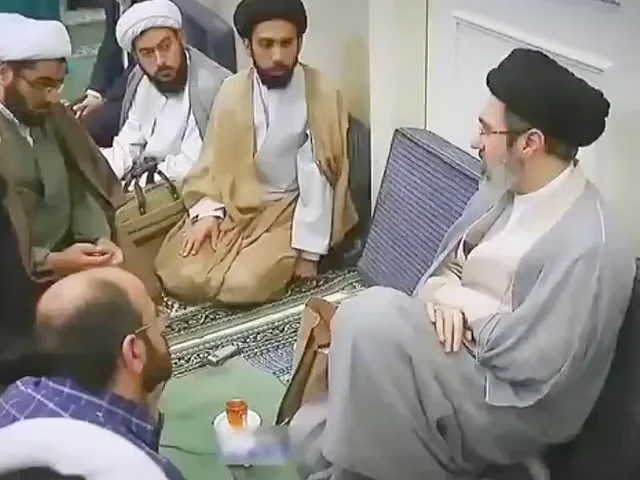
TEHRAN — In a significant escalation of geopolitical rhetoric in the Middle East, high-level directives from Tehran indicate that Iran is placing its armed forces on high alert for a potential total war. Following a series of strategic consultations with senior military commanders, Mojtaba Khamenei emphasized that the nation’s defense apparatus must operate under the assumption of an imminent, large-scale confrontation. According to state-aligned reports and regional intelligence assessments, the leadership’s posture signals a departure from previous deterrence strategies, moving toward a doctrine of absolute retaliation and expanded geographical theater should hostilities commence.
The directive underscores a growing anxiety within the Iranian political and military establishment regarding regional stability. Tehran’s messaging articulates a clear warning to the United States and Israel: any military strike initiated against Iranian territory or strategic assets will be met with an immediate, overwhelming, and unconventional response. Furthermore, Iranian leadership has stressed that future engagements will not be confined by traditional geographical boundaries, suggesting that the scope of operations could extend far beyond the immediate Middle Eastern theater to impact wider regional and international interests.
Strategic Posture and the Doctrine of Unrestricted Retaliation
The core of the recent military directive centers on the nature of potential retaliation. Iranian officials have outlined that a new wave of conflict would transcend the conventional parameters observed in previous skirmishes or proxy clashes. By stating that the response will not be bound by geographical limitations, Tehran is signaling a shift toward multi-front operations, potentially leveraging its network of regional allies and asymmetric warfare capabilities.
Moreover, the discourse emerging from Tehran highlights a strategic objective to control the endgame of any future conflict. Leadership assertions indicate that Iran intends to dictate the terms and timeline for the cessation of hostilities, effectively attempting to reverse historical precedents where diplomatic resolutions were heavily influenced by Western powers or international mediation. This posture reflects an effort to project absolute sovereignty and resilience in the face of mounting economic sanctions and external security pressures.
Historical Parallels and Ideological Continuity
To understand the gravity of the current directives, analysts often look to the foundational narratives employed by the Iranian establishment. Tehran frequently contextualizes contemporary geopolitical friction through the prism of its historical struggles, most notably the Iran-Iraq War of 1980–1988. This eight-year conflict, often referred to in Iran as the "Imposed War," shaped the modern security architecture of the Islamic Republic and deeply ingrained a culture of national defense and self-reliance.
By framing current tensions with the United States and Israel as a direct continuation of the existential threats faced during the 1980s, the leadership seeks to galvanize public sentiment and reinforce ideological solidarity. This historical continuity serves to justify sweeping mobilization efforts, internal security tightening, and the allocation of vast resources toward military preparedness. The narrative relies on the premise that the fundamental adversaries and geopolitical pressures facing the nation remain unchanged, thereby requiring the same level of societal endurance that characterized the post-revolutionary decade.
Internal Mobilization and the Role of the Basij
A comprehensive military readiness strategy in Iran inherently involves domestic security and societal mobilization. Central to this internal defense framework is the Basij resistance force, a prominent paramilitary organization operating under the umbrella of the Islamic Revolutionary Guard Corps (IRGC).
In recent briefings, the significance of the Basij has been underscored regarding its dual role in maintaining internal order and supporting national defense infrastructure. Comprising millions of volunteers across various demographic sectors, the Basij functions not only as a reserve military component but also as a vital instrument for social control and ideological propagation within civil society. The reliance on such paramilitary structures highlights Tehran’s strategy of integrating total defense concepts, where the boundaries between conventional military forces and domestic civic organizations blur in the event of a national emergency.
Regional and International Implications
The hardening of Iran’s military stance carries profound implications for regional stability and international diplomacy. The prospect of an unbounded conflict raises alarm bells among neighboring Gulf states, international shipping authorities, and global energy markets. Any escalation that bypasses traditional geographical constraints threatens vital maritime trade routes, particularly the Strait of Hormuz, through which a significant portion of the world’s petroleum passes.
From a diplomatic perspective, the rhetoric complicates ongoing efforts by international intermediaries to de-escalate tensions and revive diplomatic channels regarding Iran’s nuclear program and regional proxy activities. When state actors signal that future negotiations will occur strictly on their terms following a total war scenario, the space for constructive dialogue narrows significantly. Consequently, intelligence agencies and foreign ministries worldwide are reassessing contingency plans, monitoring troop movements, and reinforcing defensive postures across the Middle East to mitigate the risk of miscalculation leading to a catastrophic regional conflagration.