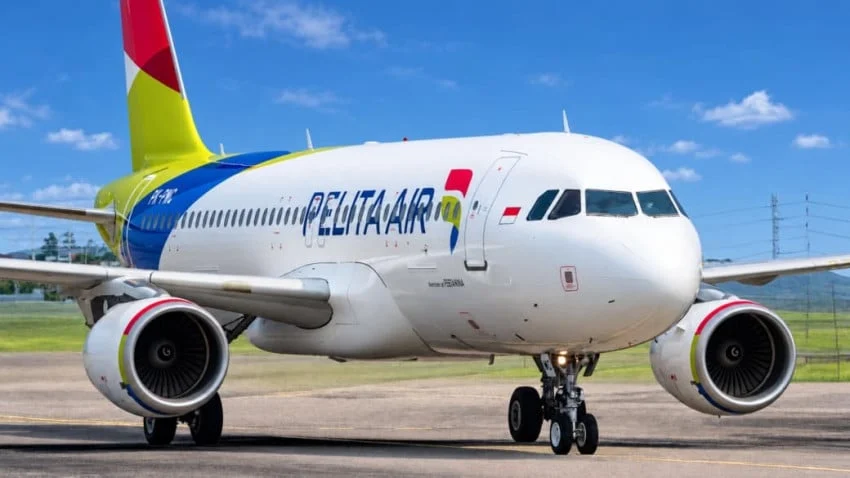
PT Pelita Air Service, a subsidiary of the state-owned oil and gas giant Pertamina, has officially announced a significant expansion of its Maintenance, Repair, and Overhaul (MRO) capabilities. By formalizing strategic partnerships with global aviation leaders MTU Maintenance and KarbonMRO, the airline aims to bolster the technical reliability of its Airbus A320 fleet while simultaneously elevating its internal operational standards. This move is part of a broader corporate strategy to secure long-term fleet airworthiness, reduce downtime, and enhance safety protocols in an increasingly competitive Indonesian aviation market.
The collaboration, confirmed in an official statement released in Jakarta on Saturday, October 31, 2026, marks a pivotal shift in how the airline manages its technical assets. By integrating external expertise with its existing infrastructure, Pelita Air is positioning itself to mitigate the complexities of aircraft maintenance that have historically plagued regional carriers, particularly those relying on complex engine systems.
Strategic Objectives and the Role of Global Partners
The core of this initiative lies in the division of responsibilities among the new partners. MTU Maintenance, a world-renowned leader in the engine maintenance sector, will provide high-level technical support for the CFM56-5B engines that power Pelita Air’s 16 Airbus A320 aircraft. This specific segment of the agreement is slated for an initial three-year duration. The CFM56-5B is a workhorse of the narrow-body aviation industry, but its maintenance requires specialized, factory-level precision that is best handled by established global entities.
Conversely, KarbonMRO—known for its agility and integrated technical solutions—will likely assist in the broader aspects of line maintenance, structural integrity, and logistical support. By leveraging these two partners, Pelita Air is effectively creating a hybrid maintenance ecosystem. This approach allows the airline to maintain high utilization rates for its aircraft while ensuring that technical compliance exceeds the standard requirements set by local aviation regulators.
Faik Fahmi, the President Director of PT Pelita Air Service, emphasized that the decision to partner with these entities was driven by the necessity of operational excellence. "With expanded access to superior expertise, state-of-the-art facilities, and comprehensive technical support, our objective is to ensure that the Pelita Air fleet remains in peak condition. Safety and passenger comfort remain the non-negotiable foundations of our service delivery," Fahmi noted in the official announcement.
Chronology of Operational Expansion
The path to this partnership has been characterized by a steady increase in Pelita Air’s operational footprint. Over the past three years, the airline has aggressively expanded its commercial flight presence, transitioning from its traditional role as a charter provider for the oil and gas industry to a full-fledged scheduled passenger airline.
- 2022: Pelita Air re-entered the commercial passenger market, signaling a need for a more robust maintenance strategy as the fleet size began to grow.
- 2023–2024: The airline standardized its fleet around the Airbus A320 family, simplifying maintenance logistics but increasing the burden on technical crews to maintain a uniform standard across all units.
- 2025: Negotiations with international MRO providers intensified as the airline observed industry-wide supply chain disruptions affecting spare parts and specialized engine repair services.
- October 2026: The formalization of the contracts with MTU Maintenance and KarbonMRO, establishing a multi-year roadmap for technical collaboration.
This timeline reflects the maturation of the airline. Initially, the focus was on rapid expansion and market capture. Now, the emphasis has shifted toward sustainability and internal operational stability, acknowledging that long-term success in the aviation sector is predicated on the reliability of the technical department.
Technical Context: The Importance of CFM56-5B Maintenance
The selection of the CFM56-5B engine for specialized care is a strategic decision. The CFM56-5B is highly reliable, but it requires rigorous adherence to maintenance schedules to remain cost-effective. As an engine accumulates flight cycles, the costs associated with "shop visits" increase exponentially. By partnering with MTU Maintenance, Pelita Air gains access to advanced engine health monitoring, predictive maintenance algorithms, and a more streamlined supply chain for rotable components.
In the global MRO market, the ability to predict when an engine needs a shop visit is the difference between profitability and operational losses. Unscheduled engine removals can cost an airline millions of dollars in wet-lease replacements and passenger disruption claims. Through this partnership, Pelita Air aims to transition from a reactive maintenance model to a proactive, data-driven strategy.
Broader Implications for the Indonesian MRO Sector
The decision by Pelita Air to partner with international firms highlights a recurring theme in the Indonesian aviation industry: the reliance on global expertise to meet stringent international safety standards. While Indonesia has several domestic MRO facilities, the complexity of modern narrow-body jets often necessitates collaboration with OEMs (Original Equipment Manufacturers) or authorized repair stations that have the proprietary tooling and software updates necessary for the latest engine revisions.
Industry analysts suggest that this partnership could have a ripple effect. If successful, it may encourage other local carriers to seek similar "tier-one" partnerships, thereby raising the overall quality of maintenance across the Indonesian aviation sector. Furthermore, the knowledge transfer component—where Pelita Air’s internal staff will work alongside international technicians—is a crucial investment in human capital. Developing local expertise in high-level engine maintenance is a long-term goal that could eventually reduce the country’s dependence on foreign repair shops, keeping more revenue within the domestic economy.
Supporting Data and Market Analysis
The global MRO market is projected to grow significantly by 2030, driven by the aging global fleet and the need for more frequent inspections. For Pelita Air, the challenge is managing a fleet of 16 Airbus A320s in a highly competitive market where ticket prices are tightly regulated by the government.
- Fleet Size: 16 Airbus A320 units.
- Service Focus: Scheduled domestic commercial flights.
- Partnership Duration: 3 years (MTU Maintenance).
- Core Metrics: Fleet availability, Mean Time Between Unscheduled Removal (MTBUR), and technical dispatch reliability.
In the aviation industry, a "dispatch reliability" rate of over 99% is the gold standard. By securing these partnerships, Pelita Air is aiming to sustain or exceed this metric, which is vital for maintaining brand loyalty in a market where passengers have numerous choices. Furthermore, the partnership is expected to assist in "parts pooling," a logistical strategy where the airline shares access to high-value, expensive components with other operators in the network, significantly reducing the capital expenditure required to keep a spare parts inventory on-site.
Official Responses and Future Outlook
While specific financial terms of the deal were not disclosed, stakeholders in the aviation industry have reacted positively to the news. Investors and industry observers view this as a sign of financial maturity for Pelita Air. By formalizing these relationships, the airline is effectively insulating itself against potential technical risks that could derail its commercial growth.
Looking ahead, the focus will remain on the implementation phase. Integrating the protocols of MTU Maintenance and KarbonMRO into the daily operations of Pelita Air’s technical division will require significant coordination. The exchange of expertise, as mentioned by Faik Fahmi, is expected to include training modules for local engineers, software integration for maintenance tracking, and the establishment of a localized supply chain for critical engine parts.
In conclusion, Pelita Air’s strategic pivot toward high-level MRO partnerships represents a proactive response to the technical demands of modern commercial aviation. By aligning with global experts, the airline is not only safeguarding its fleet but is also investing in the long-term technical sovereignty of its operations. As the Indonesian aviation market continues to recover and expand, the ability to provide consistent, safe, and reliable service will be the ultimate differentiator for carriers in the region. Through this collaboration, Pelita Air has set a new benchmark for technical operational standards, ensuring that its fleet remains a dependable asset in the skies for years to come.