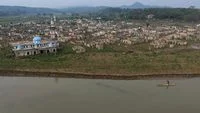
The construction of the Karangnongko Dam in Blora, Central Java, stands as one of the most ambitious infrastructure projects in the region, aimed at bolstering water security and agricultural resilience. However, the scale of this project necessitates the significant displacement of local communities, with 535 households currently slated for relocation. Danang Wicaksana Sulistya, a member of Commission V of the House of Representatives (DPR RI) representing the Gerindra faction, has formally pledged to oversee the relocation process, ensuring that the rights and welfare of the affected residents remain a priority during the project’s development.
The commitment follows a series of recess visits during which the legislator gathered direct feedback from residents in the impacted villages. The relocation process is not merely a logistical challenge but a complex legal and social undertaking that requires coordination between central government ministries and regional stakeholders.
Understanding the Scale of the Karangnongko Dam Project
The Karangnongko Dam is a strategic project designed to alleviate water scarcity, mitigate flooding, and provide irrigation for thousands of hectares of farmland in the Blora Regency. The geographical scope of the construction is extensive, encompassing 1,037 individual plots of land across five distinct villages. According to official data provided by Danang, the distribution of affected land plots is as follows: 17 plots in Mendenrejo, 328 in Ngrawoh, 177 in Nginggil, 372 in Nglebak, and 143 in Megeri.
The total displacement of 535 households presents a significant social challenge. These families are currently transitioning from their ancestral homes to make way for the inundation area of the dam. The primary concern for these families is not only the financial compensation for their land but the long-term sustainability of their livelihoods in the new resettlement areas.
The Complexity of Land Relocation and Regulatory Hurdles
A central point of discussion regarding the relocation is the proposed site: the Kawasan Hutan dengan Tujuan Khusus (KHDTK). Currently, this area is managed by Universitas Gadjah Mada (UGM), a prestigious Indonesian university, which utilizes the land for research and conservation purposes.
While the university has indicated its willingness to accommodate the relocation, the transition requires a formal change in land use designation. Currently, the project is awaiting official authorization for the conversion of the forest land from the Ministry of Forestry. This administrative bottleneck is a critical juncture; without the ministerial approval, the construction timeline for the housing units for the 535 households cannot proceed, potentially delaying the entire dam project.
Danang Wicaksana Sulistya has expressed his intent to bring this matter to the forefront during upcoming working meetings (Rapat Kerja) and formal hearings (Rapat Dengar Pendapat) with the Ministry of Public Works and the Ministry of Forestry. By facilitating a dialogue between the relevant ministries and the university, the goal is to expedite the bureaucratic process while ensuring that environmental standards and legal requirements are met.
Broader Infrastructure and Socio-Economic Development
Beyond the specific issue of the Karangnongko Dam, the visit by the Commission V representative highlighted broader developmental goals for the region. During the inauguration of the Regional Socio-Economic Infrastructure Development (PISEW) program—which focused on the rehabilitation of vital transport routes connecting Dusun Sunggun, Dusun Parengan, and Desa Mendenrejo—Danang urged local village leaders to proactively submit proposals for infrastructure support.
The PISEW program is a vital tool for rural economic development, designed to reduce logistics costs and improve access to markets. However, the representative emphasized that infrastructure is only one component of development. The social wellbeing of the community, particularly regarding housing, is equally paramount. Consequently, he encouraged local governments to prioritize applications for the Stimulant Assistance for Self-Help Housing (BSPS), a program often referred to as "bedah rumah" (home renovation).
Policy Reform and Administrative Simplification
A recurring theme in the discussions was the need to simplify the administrative requirements for the BSPS program. Many low-income families who are most in need of housing support often struggle to provide the exhaustive documentation required by the government. Danang argued that these bureaucratic hurdles frequently prevent the most vulnerable citizens from accessing aid.
"Speaking of housing is not merely about comfort; it is fundamentally about health, safety, and the overall quality of life," Danang stated in a press release. He urged the Ministry of Housing and Settlement Areas (PKP) to overhaul the application process. His argument is rooted in the belief that administrative requirements should serve the public, not act as a barrier to equity. By streamlining these processes, the government could significantly improve the standard of living for the poorest segments of society in Blora and beyond.
Analysis of Implications for Local Stability
The relocation of 535 households is a massive undertaking that carries significant political and economic risks. If the process is handled poorly, it can lead to community unrest, long-term poverty, and a loss of public trust in government infrastructure initiatives. The involvement of a senior member of the House of Representatives suggests that the government is aware of these risks and is attempting to mitigate potential friction.
The reliance on KHDTK land is a strategic choice, but it also underscores the shortage of available, non-productive land in the region. This land-use conflict—between agricultural development, conservation, and settlement—is a common narrative in Indonesia’s ongoing infrastructure drive. The successful resolution of the Karangnongko relocation could serve as a model for how future projects navigate these competing interests.
Furthermore, the emphasis on BSPS reform aligns with the broader national agenda of the new administration, which has prioritized housing as a key pillar of social welfare. By calling for the reduction of red tape, the legislator is aligning local legislative oversight with national policy goals, potentially leading to more flexible and responsive public services.
Conclusion and Future Outlook
As the project progresses, the focus will remain on the timeline for the forestry permit and the subsequent construction of the new settlements. The residents of the five affected villages in Blora are waiting for clear directives on when and where they will move. For the 535 families, the promise of parliamentary oversight provides a measure of security, but the real impact will be measured by the speed of the administrative process and the quality of the new housing provided.
Moving forward, the role of Commission V will be to ensure that the transition is seamless, that compensation is fair, and that the long-term socio-economic needs of the relocated families are integrated into the regional development plan. The Karangnongko Dam remains a symbol of modernization for Blora, but its success will ultimately be defined by its commitment to the people who were displaced to make its creation possible. The coming months will be critical, as the interaction between the Ministry of Forestry, the Ministry of Public Works, and the regional administration will determine the feasibility of the current project schedule.