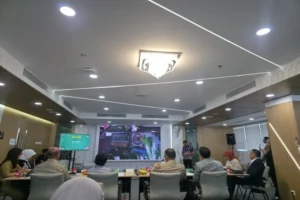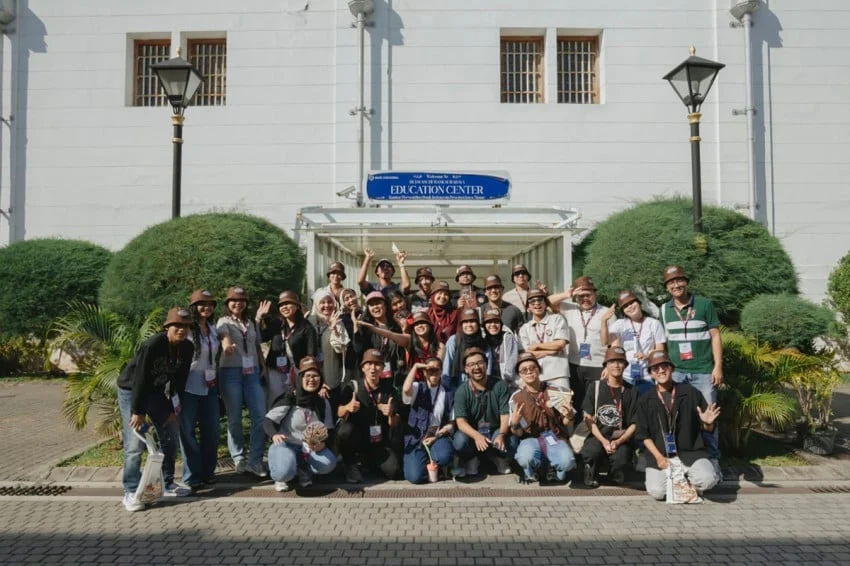
The Indonesian Youth Communications Fellowship (IYCF) 2026 reached its successful conclusion on Sunday, November 8, 2026, in Surabaya, marking the end of a transformative four-day intensive training program. Held at the DoubleTree by Hilton Surabaya from November 5 to 8, the event served as a critical nexus for 30 high-potential young leaders selected from across the Indonesian archipelago. This cohort, representing a diverse spectrum of professional backgrounds—including digital content creators, educators, social activists, and corporate professionals—converged to refine their communication strategies and enhance the resilience of Indonesia’s digital ecosystem. Supported by the British government, the initiative reflects a strategic partnership aimed at fostering responsible digital citizenship and sophisticated public engagement.
The Genesis and Objectives of IYCF 2026
The IYCF 2026 program was conceived to address the growing complexities of the digital information landscape in Indonesia. With a population increasingly reliant on social media for news consumption and political discourse, the susceptibility to misinformation, disinformation, and polarized content has become a significant national challenge. By empowering young voices—who are often the primary drivers of digital trends—the fellowship aims to cultivate a generation of communicators capable of disseminating accurate, constructive, and impactful information.
The fellowship is not merely a workshop; it is an incubator for long-term digital influence. The curriculum was meticulously designed to bridge the gap between creative storytelling and ethical communication. By leveraging the expertise of seasoned communication professionals from the United Kingdom, the program provided participants with a global perspective on media management, crisis communication, and public sector messaging.
Chronology of the Four-Day Intensive Program
The fellowship followed a rigorous schedule, structured to maximize learning outcomes through both theoretical frameworks and practical applications.
Day 1: Foundation and Strategy (November 5)
The program commenced with an orientation session that established the core values of the fellowship: transparency, accuracy, and impact. Participants engaged in workshops focused on digital mapping, identifying target audiences, and understanding the psychological triggers behind viral content. The focus was on moving beyond superficial metrics and toward building sustainable audience trust.
Day 2: Technical Production and Content Architecture (November 6)
The second day shifted toward technical mastery. Under the mentorship of British communication experts, the cohort explored the mechanics of multimedia storytelling. Modules covered everything from narrative design and scriptwriting to advanced production techniques. This phase ensured that participants were equipped not only with the theoretical knowledge of what makes a message effective but also with the practical tools to produce high-quality digital assets.
Day 3: Strategic Dissemination and Advocacy (November 7)
The third day was dedicated to the ethics of communication. Participants debated the nuances of digital policy, the legalities of content creation, and the responsibilities of influencers in maintaining a healthy digital environment. This day emphasized the role of young communicators as agents of change in promoting literacy and countering harmful online narratives.
Day 4: Synthesis and City Dialogue (November 8)
The final day served as the culmination of the training, highlighted by the "City Dialogue: Surabaya Edition." This session transitioned from classroom learning to real-world application, as participants sat down with local policymakers and urban planners. The dialogue focused on the integration of smart city technologies with the preservation of cultural identity, specifically the "Arek Suroboyo" values. The event officially closed with a ceremony reflecting on the collective commitments made by the fellows to implement these strategies in their respective regions.
Data and Context: The Digital Literacy Landscape in Indonesia
The urgency of the IYCF 2026 is underscored by recent data concerning Indonesia’s digital landscape. According to the Indonesian Internet Service Providers Association (APJII), internet penetration in Indonesia has surpassed 78% of the population. While this growth offers unprecedented opportunities for education and economic empowerment, it also presents systemic risks.
Data from the Ministry of Communication and Informatics has consistently indicated that the proliferation of "hoaxes" or fabricated news remains a top-tier concern, particularly during electoral cycles. A study by the Center for Digital Society (CfDS) suggests that young Indonesians possess high digital literacy in terms of technical usage but often struggle with critical evaluation of source credibility. The IYCF initiative directly addresses this by fostering a community of "digital guardians" who prioritize fact-checking and constructive discourse over engagement-baiting.
Insights from the City Dialogue: Surabaya as a Microcosm
The inclusion of the City Dialogue in the IYCF curriculum provided a practical case study for the fellows. Surabaya, often cited as a leader in digital governance in Indonesia, provided the ideal backdrop for discussing the intersection of technology and human-centric urban development.
During the dialogue, stakeholders discussed the "human-centered smart city" concept. This vision prioritizes the use of data and digital tools to improve public services while ensuring that the "human element"—the culture, needs, and feedback of citizens—remains at the heart of policy. For the fellows, this session was an opportunity to learn how to communicate complex public policy to a digital-native audience, bridging the gap between bureaucratic intent and citizen understanding.
Official Perspectives and Diplomatic Support
The partnership with the British government underscores the international significance of the fellowship. British representatives involved in the program emphasized that strong communication channels are the bedrock of a healthy democracy. By supporting IYCF 2026, the UK government reaffirms its commitment to strengthening democratic institutions in Southeast Asia through capacity-building and knowledge exchange.
"The goal is to empower a network of individuals who can navigate the digital sphere with both skill and integrity," noted a spokesperson close to the program. The fellowship is viewed not as a one-off training event, but as the establishment of a lasting network of professionals who will support one another in the ongoing battle against misinformation and the promotion of digital literacy in their local communities.
Broader Impact and Future Implications
The long-term success of IYCF 2026 will be measured by the actions of its alumni in the coming years. By equipping these 30 leaders with advanced communication skills, the program has effectively created a multiplier effect. Each fellow is now tasked with disseminating these skills within their own networks, thereby expanding the reach of the fellowship far beyond the original 30 participants.
Furthermore, the integration of public sector leaders into the dialogue suggests a shift toward more collaborative governance. As digital platforms become the primary arenas for civic engagement, the ability of young people to communicate effectively with the state is paramount. The fellowship serves as a pilot model for how civil society and government can interact in a digital-first world.
As these fellows return to their respective provinces—ranging from urban hubs to rural communities—they carry with them a unified methodology for content creation and strategic communication. If replicated, the IYCF model could become a standard for professional development in the creative and social sectors of Indonesia.
Conclusion
The Indonesian Youth Communications Fellowship 2026 has set a new benchmark for youth-led digital initiatives. By merging global expertise, rigorous technical training, and a focus on localized, ethical engagement, the program has addressed the dual challenge of skill development and digital citizenship. As the participants integrate back into their professional roles, the lasting impact of this four-day intensive training will likely manifest in more nuanced, accurate, and impactful communication across the Indonesian digital landscape. The fellowship has successfully proven that when young people are given the tools to communicate effectively, they become the most powerful catalysts for a more informed and resilient society.