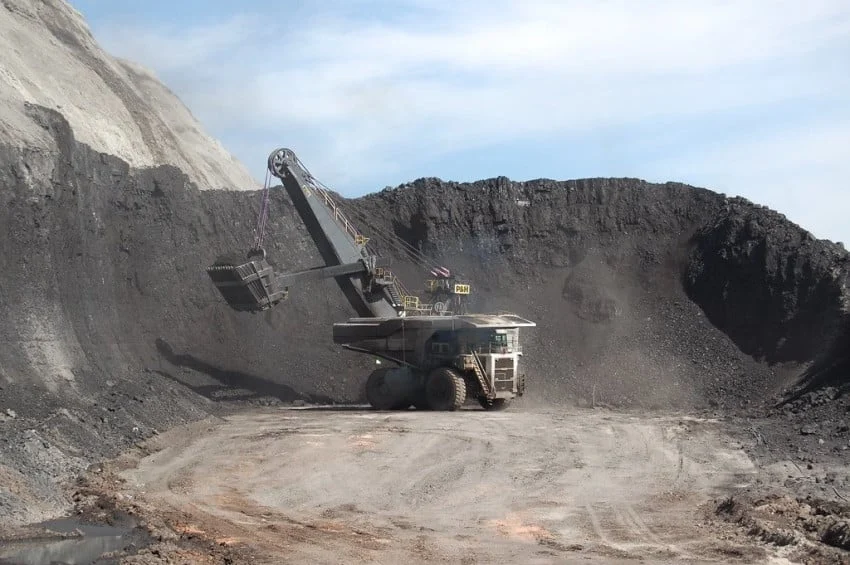
Coal, a seemingly antiquated fuel source in the modern era’s quest for cleaner energy, continues to play a pivotal role in powering the global economy. This lustrous black or brownish-black sedimentary rock, found in underground seams that can stretch for hundreds of miles and reach depths of up to 90 feet, has fueled human civilization for millennia. Its ability to generate sustained heat, surpassing that of wood, made it an indispensable resource for centuries, ultimately shaping the world as we know it.
The historical reliance on coal is deeply ingrained in human civilization. Evidence suggests its use dates back to ancient times. The Romans utilized coal to heat their public baths, while the Aztecs employed it as a fuel source and carved its shiny, jet-like variety into decorative ornaments. In southern Wales, communities during the Bronze Age employed coal for the cremation of their dead. However, it was the Chinese who first embraced coal mining on a systematic scale. A study published in Science Advances traces the origins of systematic coal mining in northwestern China to approximately 3,600 years ago, around 1600 BCE, a period when much of the rest of the world was still primarily reliant on wood for fuel.
The true turning point for coal’s global impact arrived with the Industrial Revolution. It is crucial to clarify the timeline of innovation surrounding the steam engine, often mistakenly attributed solely to James Watt. Thomas Newcomen developed the first practical steam engine in 1712. This early iteration was notoriously inefficient, drawing jests that it required an iron mine for its construction and a coal mine to sustain its operation. James Watt’s significant contribution, made in 1765, was the addition of a separate condenser. This innovation drastically reduced fuel consumption, transforming the steam engine into a truly viable and transformative power source. Coal fed the boilers, the boilers produced steam, and this steam, in turn, fundamentally reshaped the planet. By the dawn of the 20th century, approximately half of the world’s energy consumption was derived from coal.
Global Coal Production: A Snapshot of the Largest Operations
The sheer scale of coal extraction worldwide is immense, with several mega-mines dominating global production figures. These operations are critical to the energy supply chains of many nations, despite increasing global pressure to transition to renewable energy sources. Understanding the output of these colossal mines provides insight into the ongoing global energy landscape.
1. Black Thunder Mine, United States
Topping the list of the world’s largest coal mines is the Black Thunder Mine, situated in the Powder River Basin of Wyoming, approximately 54 miles south of Gillette. Owned by Arch Resources of St. Louis, this behemoth extracted an estimated 62.68 million tons of coal in 2023, making it the largest producing mine globally. The operation relies on an extensive fleet of draglines, including the colossal "Ursa Major," one of the largest ever constructed. At its peak operational capacity, the mine was capable of loading more than 20 coal trains daily.
Established in 1977, Black Thunder reached a significant milestone in 2004, becoming the first U.S. mine to cumulatively ship one billion short tons of coal. The coal extracted here is a low-sulfur sub-bituminous coal, highly sought after by power plants due to its suitability for combustion with minimal processing. This characteristic contributes to its continued demand, even as environmental regulations evolve.
2. Gevra Open-Pit Coal Mine, India
India’s colossal Gevra Open-Pit Coal Mine, located in the Korba district of Chhattisgarh, is managed by South Eastern Coalfields Limited, a subsidiary of the state-owned Coal India. In 2023, Gevra produced an estimated 60 million tons of coal, narrowly trailing Black Thunder. The mine is strategically positioned to potentially claim the top spot, having secured environmental clearance in 2024 to increase its annual production capacity to 70 million tons. This expansion underscores India’s ongoing reliance on coal for its rapidly growing energy demands.
The Gevra mine exemplifies the scale of operations in India, a nation that is a major global consumer and producer of coal. The expansion efforts at Gevra are indicative of a broader national strategy to ensure energy security and meet industrial needs, even as the country also invests in renewable energy infrastructure.
3. North Antelope Rochelle Mine, United States
Another titan in the Powder River Basin, the North Antelope Rochelle Mine, also in Wyoming, consistently ranks among the world’s largest coal producers. Operated by Peabody Energy, this mine has historically been a significant contributor to U.S. coal output. While specific 2023 production figures for North Antelope Rochelle are often consolidated with other Peabody operations, its historical output places it firmly in the top tier of global coal extraction. Its strategic location and vast reserves make it a cornerstone of coal supply for numerous power generation facilities across the United States. The mine’s operational efficiency and vast scale have been key to its sustained production levels.
4. Cerrejón Mine, Colombia
The Cerrejón Mine in Colombia is one of the largest open-pit coal mines in the world and the largest in Latin America. Owned by Glencore, it is a significant exporter of thermal coal, primarily to European markets. Cerrejón is renowned for its high-quality, low-ash coal. Despite facing increasing scrutiny and environmental challenges, the mine continues to be a major economic driver for the La Guajira region of Colombia. Its strategic location near the Caribbean coast facilitates efficient export operations, contributing substantially to Colombia’s export revenues. The mine’s operations have been subject to significant public and international attention regarding their environmental and social impacts, leading to ongoing dialogues and efforts to mitigate these concerns.
5. Two Rivers Mine, United States
Located in the Powder River Basin of Wyoming, the Two Rivers Mine is another substantial coal producer in the United States. Owned by Contura Energy, this mine contributes significantly to the regional and national coal supply. Its operations are characterized by efficient surface mining techniques, leveraging the vast coal reserves of the region. The mine’s output is crucial for supplying power plants and meeting industrial energy demands.
Indonesia’s Significant Role in Global Coal Production
Indonesia, an archipelago nation rich in natural resources, has emerged as a dominant force in the global coal market. With four mines ranking among the world’s largest, Indonesia’s contribution to global coal supply is substantial and strategically important. The nation’s vast coal reserves, coupled with its extensive mining infrastructure, have positioned it as a leading exporter, particularly to Asian markets.
Indonesian Coal Giants:
While the specific ranking of Indonesian mines can fluctuate based on annual production data, several consistently feature among the world’s largest:
- Kideco Jaya Agung Mine: Located in East Kalimantan, this mine is one of Indonesia’s largest coal producers and a significant exporter. It is known for its vast reserves of sub-bituminous coal. The mine’s operational scale and efficiency have been key to its sustained high production levels, making it a cornerstone of Indonesia’s coal industry.
- Adaro Indonesia Mine: Situated in South Kalimantan, Adaro is another major player in the Indonesian coal sector. The company operates one of the largest single-site coal mining operations globally and is a significant supplier of thermal coal to international markets. Adaro’s commitment to technological advancement and operational efficiency has cemented its position as a leading coal producer.
- PT Bukit Asam (PTBA): With mining operations primarily in South Sumatra, PTBA is a state-owned enterprise and a major contributor to Indonesia’s coal output. The company’s extensive reserves and diversified mining activities make it a crucial entity in the national energy landscape. PTBA is actively exploring downstream coal utilization and renewable energy projects, reflecting a strategic pivot towards a more diversified energy portfolio.
- PT Multi Harapan Utama (MHU): Located in East Kalimantan, MHU is another significant Indonesian coal producer with substantial output. The mine’s operations contribute to the overall strength of Indonesia’s coal export capabilities, serving various international customers.
The consistent presence of Indonesian mines in the global top rankings underscores the nation’s critical role in meeting global energy demands, particularly in Asia. These operations are not only vital for Indonesia’s economy, generating significant export revenue and employment, but also for the energy security of importing nations.
The Future of Coal Mining and Global Energy Transitions
The landscape of coal mining is intrinsically linked to the global discourse on climate change and the transition to renewable energy sources. While the demand for coal remains robust, particularly in developing economies, there is a clear and accelerating global trend towards decarbonization. This shift presents both challenges and opportunities for coal-producing nations and major mining companies.
Data and Trends:
According to the International Energy Agency (IEA), while coal demand has shown resilience, its long-term growth is projected to slow down, with a potential decline in the coming decades. However, the IEA also notes that coal will remain a significant part of the global energy mix in the medium term, especially in Asia. Global coal production in 2023 was estimated to be around 8.3 billion tonnes, with major producers like China, India, and Indonesia accounting for the largest shares.
Implications and Analysis:
The continued dominance of large-scale coal mines like Black Thunder and Gevra highlights the inertia of existing energy infrastructure and the economic realities faced by many nations. While the environmental consequences of coal combustion are well-documented, the immediate economic impacts of reducing coal reliance – including job losses and energy security concerns – are significant considerations for governments worldwide.
For countries like Indonesia, heavily reliant on coal exports, the transition necessitates strategic diversification of their economies and energy sectors. Investments in renewable energy, such as solar and geothermal power, are crucial for a sustainable future. Furthermore, exploring innovative technologies for cleaner coal utilization, such as carbon capture and storage, may play a transitional role, though their widespread adoption remains a complex challenge.
Official Responses and Industry Perspectives:
Governments of major coal-producing nations are often navigating a complex balancing act between economic imperatives and environmental commitments. While many have pledged to reduce emissions, the pace of this transition is often influenced by domestic energy needs and the socio-economic impact on coal-dependent communities.
Industry leaders in the coal sector are increasingly focusing on operational efficiency, cost reduction, and exploring avenues for diversification. Some companies are investing in renewable energy projects or exploring the potential of alternative uses for coal, such as in the production of materials. However, the core business of large-scale coal extraction remains a significant undertaking, with substantial capital investment and long-term operational planning required.
The ongoing development and operation of the world’s largest coal mines serve as a stark reminder of the complex and multifaceted nature of global energy production and consumption. While the world grapples with the urgent need to address climate change, the economic realities and established infrastructure surrounding coal mean that its influence, though potentially waning, will persist for some time to come. The future will likely see a gradual but determined shift, with nations and industries working towards a more sustainable energy paradigm, albeit at varying paces and with diverse strategies.