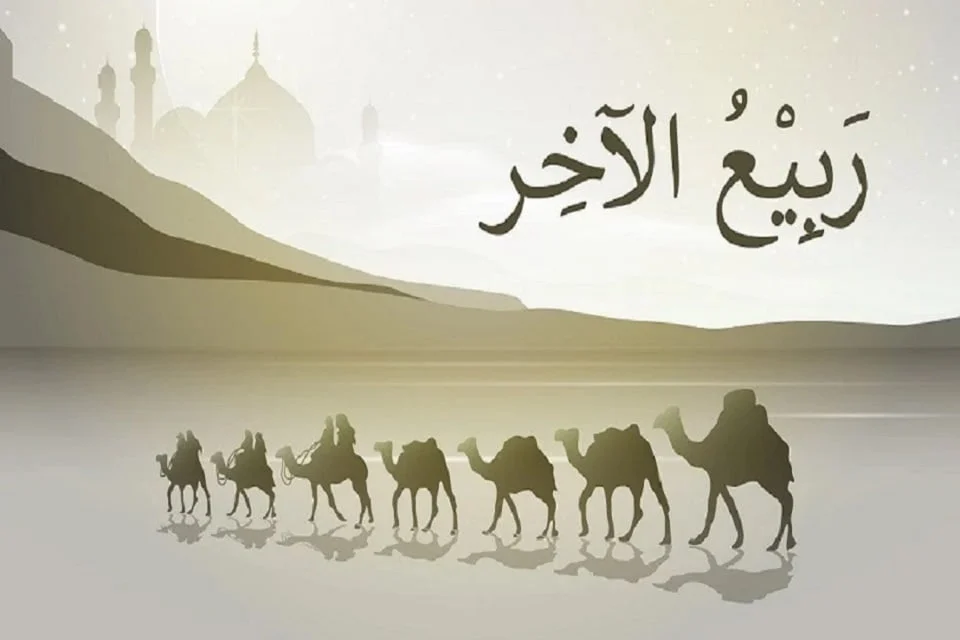
Umat Islam across the globe have entered the month of Rabiul Akhir 1448 Hijriyah, a period that holds profound historical weight within the Islamic tradition. Commencing on Sunday, September 13, 2026, this month—also known as Rabi’ al-Thani—serves as the fourth entry in the Hijri calendar, consisting of 29 days. While often overshadowed by the celebratory nature of the preceding month, Rabiul Awal, the fourth month is characterized by a legacy of strategic expeditions, significant geopolitical shifts in the early Islamic state, and the passing of influential spiritual figures who shaped the intellectual landscape of the Muslim world.
Understanding the temporal framework of this month requires a clear distinction between the Hijri (Qomariyah) and the Gregorian (Syamsiyah) calendars. The Hijri calendar is strictly lunar, with months dictated by the phases of the moon, resulting in a year that is approximately 11 days shorter than the solar Gregorian calendar. This structural difference ensures that Islamic months rotate through the seasons, meaning the designation "Rabiul Akhir," which linguistically signifies "the second spring," does not always align with the meteorological spring season. In its original context in the Arabian Peninsula, however, the name reflected the blooming of vegetation during the second phase of the spring season.
Historical Context: The Month of Military Expeditions
Historically, early Islamic scholars and chroniclers frequently referred to Rabiul Akhir as the "month of military campaigns." This moniker is not merely symbolic; it reflects the intense activity of the early Muslim community in Medina as they sought to secure their borders and consolidate their socio-political influence. During the time of Prophet Muhammad SAW and his companions, the stability of the nascent Islamic state depended heavily on its ability to project strength and diplomacy in a volatile region.
The military nature of this month during the early Hijri years was driven by the necessity of defense and the need to neutralize threats from hostile tribes that aimed to undermine the burgeoning Medinan state. These expeditions were rarely characterized by unprovoked aggression; rather, they were often calculated strategic maneuvers designed to deter conflict or respond to specific intelligence regarding tribal movements.
Key Historical Milestones and Chronology
The annals of Islamic history record several pivotal events occurring during Rabiul Akhir that shaped the trajectory of the Middle East.
1. The Invasion of Buhran (Year 3 Hijri)
In the third year after the Hijrah, the Prophet Muhammad SAW led an expedition to Buhran, situated between Medina and Mecca. Historical records indicate that the Prophet commanded a force of 300 men for a duration of approximately 10 to 11 days. This expedition, sometimes referred to as the Ghazwah al-Fur, serves as a classic example of early Islamic military posture—a show of force that successfully discouraged potential hostility without the need for large-scale combat. The primary objective was to maintain regional stability and signal to surrounding tribes that the Medinan state was vigilant and capable of rapid deployment.
2. The Expedition to Ghamar (Year 6 Hijri)
During the sixth year of the Hijri calendar, the Prophet dispatched Ukkasyah bin Mihshan to Ghamar, a territory held by the Banu Asad. The expedition consisted of 40 personnel. Upon their arrival at the water source of the Banu Asad, the inhabitants fled. This event underscores the psychological aspect of military movements during this era, where the arrival of a disciplined, organized force often compelled hostile groups to retreat, thereby securing strategic water resources without bloodshed.
3. The Pacification of the Banu Sulaim (Year 6 Hijri)
Under the leadership of Zaid bin Haritsah, a contingent of Muslim forces was sent to locate the Banu Sulaim. This mission was significant not only for its tactical success but also for the geographical importance of the location, known as Jumum (Mar Zhohron). Jumum later became a vital logistics hub; it was the site where the Prophet camped with 10,000 soldiers during the historic conquest of Mecca in 8 Hijri. Notably, it was at this location that Abu Sufyan bin Harb, a former adversary of the Prophet, formally pledged his allegiance to Islam, marking a major turning point in the unification of the Arabian tribes.
4. The Diplomatic Mission to Banu Al-Harith (Year 10 Hijri)
In the final years of the Prophet’s life, military missions increasingly focused on consolidation and outreach. Khalid bin Walid was sent to the Banu al-Harith ibn Ka’b with clear instructions: invite the tribe to Islam for three days before engaging in any hostilities. This period of mandatory diplomatic outreach reflected the maturation of Islamic governance, prioritizing peaceful conversion over warfare whenever possible. The mission was successful, and the tribe embraced Islam, demonstrating the effectiveness of combining military presence with structured theological discourse.
5. The Fall of Damascus (Year 14 Hijri)
The expansion of the Islamic state extended well beyond the borders of Arabia under the Rashidun Caliphate. The conquest of Damascus in 14 Hijri (635 AD) stands as a landmark event. Led by legendary commanders Ubaidah bin Jarrah and Khalid bin Walid, the siege lasted 70 days. The fall of Damascus to the Muslim army was a significant geopolitical shift that marked the decline of Byzantine influence in the Levant and solidified the presence of the Caliphate in the region.
6. The Battle of the Camel (Year 36 Hijri)
Rabiul Akhir also marks the anniversary of the Battle of the Camel, a painful chapter in Islamic history that pitted the forces of Sayyidah Aisyah against the army of the fourth Caliph, Ali bin Abi Talib. Occurring in Basra, Iraq, this event is often cited by historians as a tragic example of internal discord (fitna). The conflict serves as a sobering reminder of the political challenges faced by the early Muslim community. The battle, named after the camel ridden by Sayyidah Aisyah, remains a subject of intense historical analysis, highlighting the complexities of leadership and consensus during the formative years of Islamic governance.
7. The Legacy of Syaikh Abdul Qadir Al-Jilani
Beyond the battlefield, the month of Rabiul Akhir holds immense spiritual significance due to the passing of Syaikh Abdul Qadir Al-Jilani, the renowned scholar and mystic. He passed away on the 11th of Rabiul Akhir in 561 Hijri (1166 AD) in Baghdad at the age of 91. His intellectual contribution—encompassing both rigorous Fiqh (jurisprudence) and profound spiritual depth—continues to influence the Islamic world today. He is widely revered by scholars and laypeople alike as a paragon of piety and knowledge, and his life serves as a bridge between the academic tradition and the spiritual essence of the faith.
The Revelation of Surah Al-Hasyr
A significant theological debate exists regarding the timing of the revelation of Surah Al-Hasyr. While historical accounts vary, many scholars, including those citing the authority of Imam Al-Hakim, connect the revelation of the first five verses of this Surah to the expulsion of the Jewish tribe of Banu Nadhir from Medina. This occurred roughly six months after the Battle of Badr.
The decision by the Prophet to remove the Banu Nadhir from the outskirts of Medina was a strategic necessity following intelligence reports of potential subversion and betrayal. The events surrounding this expulsion provide a detailed look at the legislative and moral frameworks established by the Prophet regarding property, warfare, and the treatment of non-Muslim communities. The verses of Surah Al-Hasyr emphasize the importance of divine sovereignty and the consequences of violating treaties, offering a window into the complex socio-legal environment of the early Medinan period.
Analytical Perspective: Implications for the Contemporary Muslim World
Reflecting on the history of Rabiul Akhir provides more than just a chronological recount of past events; it offers a lens through which to view the evolution of Islamic statecraft. The transition from the localized defensive expeditions of the early Hijri years to the expansive, governance-focused strategies of the later years demonstrates a clear progression.
The events of this month highlight several recurring themes:
- Strategic Deterrence: Early military missions were often designed to prevent escalation rather than to incite it.
- Diplomatic Priority: The mandate for Khalid bin Walid to offer terms of peace and invitation before conflict illustrates that the early Islamic state prioritized the preservation of life and the dissemination of its message over conquest.
- The Burden of Leadership: The internal strife exemplified by the Battle of the Camel serves as a historical case study on the dangers of political factionalism and the importance of unity.
For modern observers, these historical records provide a foundation for understanding the Islamic perspective on state security, conflict resolution, and the historical precedents for civil governance. The blend of military activity, scholarly development, and spiritual introspection that characterizes Rabiul Akhir encapsulates the multifaceted nature of Islamic history—a history that is as much about the defense of a community as it is about the intellectual and spiritual growth of its people.
As the Islamic world navigates the current month, the legacy of these events continues to serve as a reference point for discourse within the Muslim community. Whether it is through the lens of historical study or spiritual remembrance, Rabiul Akhir remains a month of significant weight, reminding believers of the struggles, decisions, and profound personalities that forged the foundation of their faith and history.