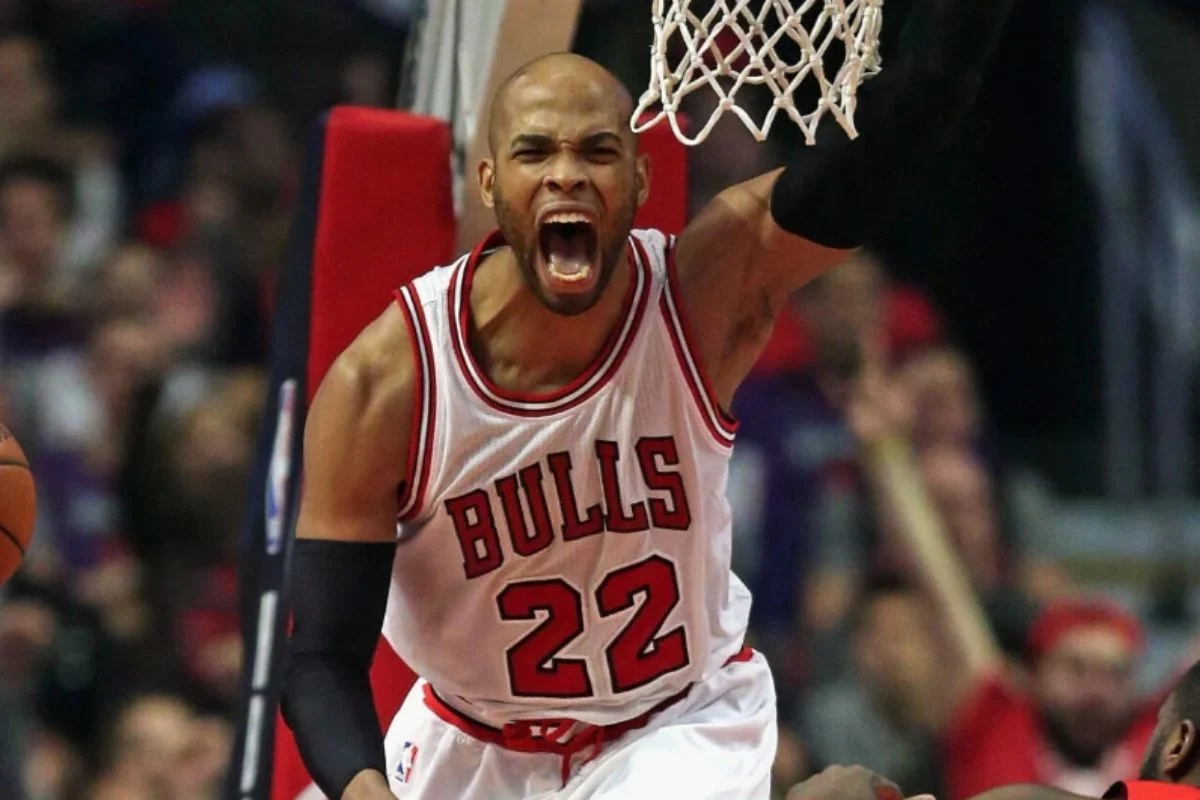
For casual observers and those newly initiated into the world of basketball, the NBA often appears as an alien landscape compared to the rest of the global basketball ecosystem. While the fundamental objective—placing a ball through a hoop—remains identical across all leagues, the structural, regulatory, and economic frameworks that govern the NBA create an environment distinct from the FIBA-based systems used in international play and domestic circuits like the Indonesian Basketball League (IBL). Understanding these differences requires a deep dive into the minutiae of game duration, roster construction, financial governance, and the broader strategic goals of professional sports organizations.
The divergence between the NBA and the rest of the world is not merely about the presence of global icons like Stephen Curry, Nikola Jokic, or the transcendent Victor Wembanyama. Rather, it is a product of decades of league evolution, commercial expansion, and a specific philosophy regarding how the sport should be consumed and managed. By comparing the NBA to FIBA-regulated competitions, we can delineate the unique character of each and understand why statistics, strategies, and player roles rarely translate perfectly across these borders.
The Temporal Disparity: 48 Minutes vs. 40 Minutes
The most immediate and quantifiable difference lies in the length of the game. The NBA operates on a 48-minute game clock, divided into four 12-minute quarters. Conversely, leagues adhering to FIBA standards—which include the vast majority of international professional leagues and the IBL—utilize 10-minute quarters, resulting in a 40-minute regulation game.
While a difference of eight minutes may seem marginal to a novice, its impact on the game’s physiology and strategy is profound. In the NBA, the extended duration necessitates deeper rotations and places a higher premium on stamina and depth. The "extra" time allows for more possessions, which naturally inflates individual and team statistical averages. When scouts or analysts compare a player’s efficiency in the IBL or a European league to the NBA, they must normalize the data to account for this discrepancy. A 20-point performance in a 40-minute game suggests a different pace and efficiency profile than the same scoring output in a 48-minute contest.
Regulatory Nuances: Defensive Three Seconds and Court Geometry
While both systems utilize the standard 10-foot hoop and similar rectangular court dimensions, the NBA incorporates specific rules designed to maximize offensive flow. A primary example is the "defensive three seconds" rule. In the NBA, a defensive player is prohibited from lingering in the painted area for more than three seconds unless they are actively guarding an opponent. This regulation is designed to prevent teams from clogging the lane, effectively forcing defenders to either commit to a player or vacate the restricted area.
FIBA rules do not feature this specific prohibition, which allows for a more "pack-line" style of defense where teams can emphasize protecting the rim at the expense of perimeter pressure. This fundamental difference in defensive philosophy dictates how offensive sets are designed. NBA offenses are built on spacing to exploit the lack of rim protection, whereas international systems often focus on high-screen actions and intricate movement to break down a more compressed defensive structure. Consequently, a dominant interior presence in a FIBA-sanctioned league may find themselves struggling in the NBA, where the rules shift the geometry of the court to favor perimeter-oriented offenses.
The Marathon of the 82-Game Season
Perhaps the most daunting aspect of the NBA for international observers is the sheer volume of the regular season. Each of the 30 NBA teams plays 82 games, a grueling schedule that spans from October to April, often involving cross-continental travel and the infamous "back-to-back" game structure. The 2026/2027 NBA season, for instance, commenced on October 20, 2026, and is slated to conclude its regular season on April 11, 2027.
In contrast, the IBL operates on a more compact schedule, prioritizing consistency and regional fan engagement. The IBL 2026 season featured 110 total games from January to May, with eight out of 11 teams advancing to the playoffs. While the NBA functions as a high-intensity marathon designed to maximize broadcasting inventory and regional revenue, the IBL utilizes a shorter window to maintain peak player performance and interest. The IBL’s commitment to a home-and-away format across various Indonesian cities is a strategic effort to build grassroots loyalty, contrasting with the NBA’s massive, multi-city logistical machine.
Roster Construction and the Development of Local Talent
The management of rosters reveals the diverging missions of the two systems. The NBA allows for 15 players on an active roster, with 12 active on game nights. These rosters are governed by complex collective bargaining agreements. The IBL, however, integrates social development into its roster regulations. Clubs are mandated to include a minimum number of players under the age of 23, with strict requirements regarding their average playing time.
Furthermore, the IBL’s approach to foreign players is highly targeted. Recognizing the need to nurture local talent, the league has moved toward limiting the number of foreign players per team. As of the 2027 regulations, clubs will be restricted to signing only two foreign players. This policy demonstrates a clear intent: the IBL functions as a developmental engine for Indonesian basketball, whereas the NBA functions as a global talent aggregator, drawing the top 0.01% of athletes from every corner of the globe. On the opening night of the 2025/2026 season, the NBA boasted 135 international players from 43 countries, underscoring its role as the world’s premier destination for professional basketball.
The Financial Architecture: Salary Caps and Competitive Balance
The NBA’s financial structure is legendary for its complexity. The league utilizes a "salary cap" system bolstered by luxury taxes and the "second apron"—a mechanism designed to penalize teams that exceed spending thresholds. This system aims to prevent a monopoly of talent by wealthy franchises, theoretically ensuring that even teams in smaller markets can remain competitive.
The IBL has begun to adopt similar, albeit simplified, financial guardrails to ensure the sustainability of its clubs. By capping the monthly salary of foreign players—set at approximately $30,000 per month for the 2026 season—the league aims to control operational costs and prevent financial instability. While the scale of these two leagues is vastly different, the underlying logic is shared: financial regulation is necessary to prevent the collapse of competitive parity.
The Evolution of the Playoff Format
The culmination of these seasons—the playoffs—further illustrates the difference in organizational philosophy. The NBA utilizes a "best-of-seven" format for every round of the playoffs, a structure that rewards depth, resilience, and the ability to make in-series tactical adjustments. This process is preceded by a "Play-In Tournament," adding a layer of high-stakes volatility to the postseason qualification.
The IBL, meanwhile, utilized a "best-of-five" series for its 2026 semifinals and finals. The 2026 final between the Bogor Hornbills and Pelita Jaya Jakarta, which ended in a 3-2 victory for the Hornbills, serves as a testament to the intensity of this shorter format. The fact that the Hornbills became the fifth different champion in five years highlights the competitive parity in the Indonesian league, which operates in a high-stakes, "every game matters" environment.
Implications and Future Outlook
To label the NBA as "better" than international leagues like the IBL is to ignore the context of their existence. The NBA is a global entertainment powerhouse, an industry unto itself that operates under a set of rules optimized for television, spectacle, and high-scoring volume. It is a product of a market that demands constant, high-level competition across a massive geographic footprint.
The IBL, conversely, is in a critical stage of ecosystem building. Its rules are designed to grow the sport within the Indonesian cultural context, prioritizing the development of young local players, regional fan engagement, and long-term financial sustainability. The rules governing the IBL—from the number of foreign players to the duration of the games—are intentional choices made to foster a healthy, thriving basketball culture that serves the local population.
As basketball continues to grow globally, the exchange of ideas between these systems will likely increase. The NBA’s adoption of the "In-Season Tournament" (NBA Cup) is proof that even the most established leagues are looking for ways to inject the urgency and structure seen in international play into their own long seasons. Ultimately, both the NBA and leagues like the IBL are contributing to the global tapestry of basketball, each playing a vital role in how the sport is defined, played, and cherished by millions of fans worldwide. Whether one is watching the strategic grind of an IBL playoff final or the high-octane spectacle of an NBA regular-season game, the beauty of the sport lies in its adaptability to the goals and needs of the culture it serves.