Perum BULOG is positioning itself as the central pillar of Indonesia’s national corn supply chain, spearheading a comprehensive integration strategy that links maize farmers, cooperatives, and layer poultry producers. This initiative, formalized during a recent coordination meeting at the Ministry of Agriculture, aims to rectify long-standing market inefficiencies by establishing a vertically integrated food system. By connecting the upstream production sector directly with downstream livestock needs, the government intends to ensure price stability, market certainty for farmers, and sustainable feed costs for the poultry industry.
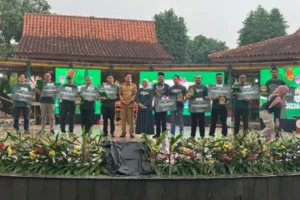
The strategic coordination meeting, which brought together Ministry of Agriculture officials and the leadership of Perum BULOG—including President Director Letjen TNI (Purn.) Dr. Ahmad Rizal Ramdhani—marks a pivotal shift in how the state manages agricultural commodities. Historically, the volatility of corn prices has been a recurring challenge for the domestic poultry sector, often driven by fragmented supply chains and unpredictable seasonal harvest fluctuations. This new framework seeks to eliminate these bottlenecks by formalizing the role of cooperatives as the primary conduit for trade.
The Structural Design of the Corn Ecosystem
At the core of the government’s plan is a target to develop 300,000 hectares of corn farmland. Based on current agricultural yield projections, which estimate an average productivity of seven tons per hectare, the program is expected to generate approximately 2.1 million tons of maize annually. This production volume is not merely a quantitative goal; it is a calculated effort to align domestic supply with the specific consumption needs of the layer poultry industry.
The distribution mechanism is designed to prioritize internal demand. Out of the 2.1 million tons, roughly 1.8 million tons are earmarked specifically for the poultry sector. By routing this supply through cooperatives, the government aims to bypass traditional, multi-layered middleman structures that often inflate costs for farmers and producers alike. This direct linkage ensures that farmers receive a fair price for their crops, while peternak (poultry farmers) gain access to feed materials at competitive, stable rates, effectively insulating both groups from the wild price swings of the open market.
BULOG’s Role as the Strategic Offtaker
A critical component of this framework is the deployment of Perum BULOG as the designated offtaker or "standby buyer." Agriculture is inherently susceptible to harvest-time gluts, where an abundance of supply leads to a collapse in market prices. To mitigate this, BULOG is tasked with absorbing the surplus, estimated at approximately 300,000 tons annually.
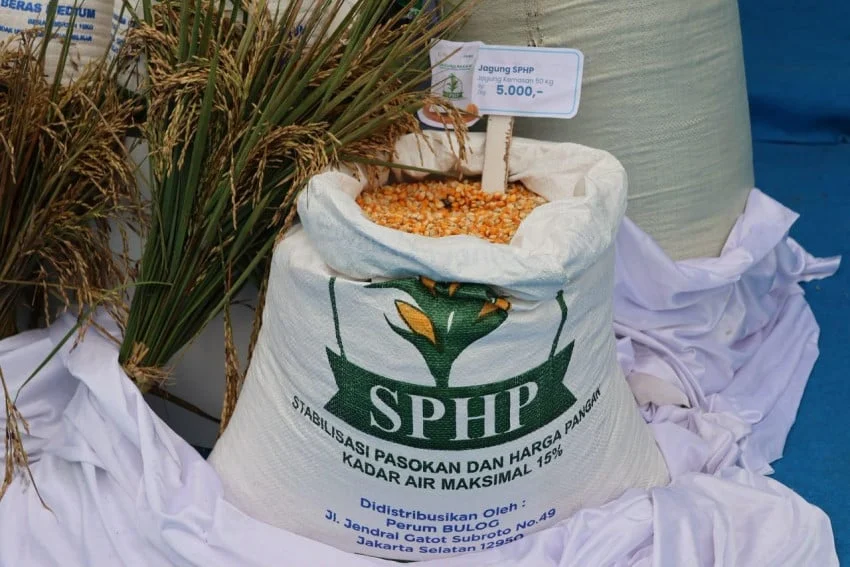
This absorption strategy utilizes the warehouse receipt system, allowing the state agency to store surplus grain safely and release it back into the market during lean periods or when supply chains face disruption. This functionality aligns with the broader Stabilisasi Pasokan dan Harga Pangan (SPHP) program, which has historically been used to manage rice supplies but is now being expanded to provide a robust safety net for the corn-feed value chain. By managing these reserves, BULOG acts as a shock absorber, ensuring that the supply of animal feed remains consistent throughout the year, regardless of seasonal harvest cycles.
Government Vision and Ministerial Directives
Minister of Agriculture Andi Amran Sulaiman has been instrumental in framing this initiative as a symbiotic relationship. During the coordination meeting, Minister Amran emphasized that the prosperity of the farming community and the viability of the poultry sector are interdependent. "We want corn farmers and poultry producers in Indonesia to grow together within a single, robust ecosystem," Minister Amran stated. "Farmers require market certainty and equitable pricing, while poultry producers require guaranteed access to feed at affordable rates. By leveraging cooperatives, we are unifying the strength of the entire chain from upstream to downstream."
The Minister’s directives underline a transition toward a more managed agricultural economy. By placing the state-owned enterprise (SOE) at the center of this mechanism, the government is signaling that it will no longer rely solely on market forces to dictate the price of essential feed ingredients. Instead, the focus is on creating a regulated environment where the interests of smallholder producers are prioritized over speculative market volatility.
Historical Context and Market Challenges
The urgency of this initiative stems from years of volatility in the Indonesian livestock feed sector. Corn accounts for approximately 50% to 60% of total poultry feed production costs. In previous years, shortages of corn—often exacerbated by logistical constraints or unfavorable weather conditions—led to skyrocketing feed prices, forcing many small-scale poultry farmers out of business.
Conversely, during peak harvest months, farmers frequently faced a collapse in the farm-gate price of corn due to a lack of proper storage and distribution infrastructure. This "price trap" often discouraged farmers from continuing their cultivation efforts, leading to cyclical shortages. The government’s move to formalize the role of BULOG is a direct response to these recurring crises. By institutionalizing the storage and distribution process, the state aims to build a buffer that protects the national food security apparatus from external economic shocks.
Economic Implications and Future Outlook
The broader implications of this ecosystem are significant. By securing a domestic supply of feed, Indonesia reduces its reliance on imported corn, thereby preserving foreign exchange reserves and shielding the national livestock industry from global commodity price volatility. Furthermore, the focus on cooperative-led development encourages professionalization among local farmers. Cooperatives are expected to handle the collection, quality control, and logistics of the harvest, which reduces the administrative burden on individual farmers and provides them with collective bargaining power.
Analysts suggest that the success of this program will hinge on the efficacy of the infrastructure investment. While the target of 300,000 hectares is ambitious, the physical capability to store and process 300,000 tons of excess corn requires modern, well-distributed drying and storage facilities. If BULOG and the Ministry of Agriculture can successfully integrate these technical requirements with the existing cooperative network, the potential for a stable, self-sustaining poultry sector is high.
Moreover, the integration of the SPHP program into this model suggests a long-term commitment. This is not a temporary emergency measure but a structural realignment of the national food logistics chain. By providing a floor price for farmers and a ceiling price for feed, the government is essentially underwriting the risk for both sides of the production spectrum.
Addressing Logistical Hurdles
One of the primary challenges in Indonesia’s agricultural landscape is geography. Moving corn from major production hubs—often in regions like East Java, Central Java, and parts of Sumatra—to centers of poultry production requires efficient logistics. The reliance on the warehouse receipt system is a strategic choice, as it allows for localized storage, minimizing the cost of transportation during the initial post-harvest phase.
BULOG’s involvement is expected to bring institutional discipline to this process. With its vast network of regional offices and existing supply chain expertise, the agency is uniquely positioned to handle the complexities of the corn supply chain. The partnership between BULOG, the Ministry of Agriculture, and the poultry industry represents a collaborative governance model that could potentially serve as a blueprint for other commodities, such as soybeans or sugar.
Conclusion
The commitment by Perum BULOG to act as the guardian of the national corn supply chain reflects a broader governmental trend toward food sovereignty and supply chain resilience. By fostering a cooperative-based ecosystem that connects the farmer to the poultry producer, the state is addressing the structural vulnerabilities that have historically plagued Indonesia’s livestock sector.
As the implementation phase begins, the focus will likely shift toward the operational capacity of the cooperatives and the readiness of BULOG’s storage facilities. With the government acting as the guarantor of both supply and demand, the prospects for the domestic poultry industry appear significantly more stable. For the smallholder farmer, this initiative promises a future defined by market certainty, while for the poultry sector, it provides the essential stability needed to sustain the nation’s demand for high-protein food sources. The success of this integrated approach will be closely watched, as it serves as a critical test for Indonesia’s ambition to achieve long-term agricultural stability in an increasingly unpredictable global market.