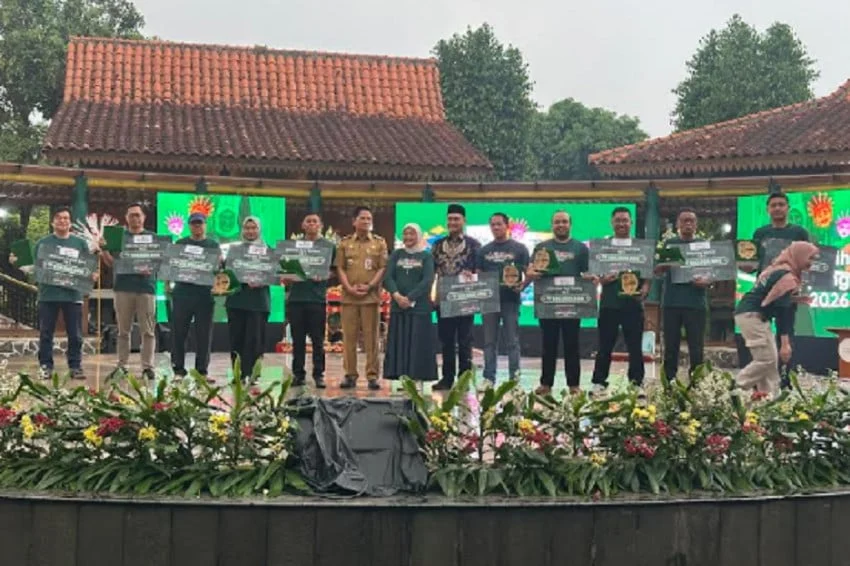
The capital city of Indonesia, Jakarta, is currently witnessing a significant shift in its approach to urban sanitation and environmental management. On Tuesday, October 27, 2026, a milestone in this transition was marked at the scenic Setu Babakan area in Jagakarsa, South Jakarta. During a formal ceremony, 10 Rukun Warga (RW) units from across the city were officially declared winners of the 2026 Bebersih Kampung (Clean Neighborhood) program. Each winning community was awarded a grant of IDR 100 million, a symbolic and practical gesture designed to incentivize grassroots environmental stewardship and reward the tangible efforts made by local residents to improve their immediate surroundings.
The event, which saw the participation of prominent figures including House of Representatives (DPR) member and program founder Ida Fauziyah, as well as South Jakarta Mayor Syafrin Liputo, highlighted a growing recognition that Jakarta’s persistent waste management challenges cannot be solved by government action alone. Instead, the initiative emphasizes that the active, sustained participation of citizens is the linchpin of a cleaner, more sustainable urban future.
The Genesis and Objectives of the Bebersih Kampung Program
The Bebersih Kampung program was conceptualized in response to the escalating waste management crisis in Jakarta, a city that produces thousands of tons of municipal solid waste daily. As landfills approach their maximum capacity and the complexity of waste sorting at the household level remains a hurdle, the initiative was designed to decentralize the responsibility of waste management.
By fostering a competitive yet collaborative spirit among RWs—the smallest administrative units in the Indonesian government structure—the program aims to transform waste from a burden into a managed resource. The program’s objectives are multi-faceted: increasing the rate of household waste separation, reducing the volume of non-biodegradable waste reaching landfills, and fostering a communal sense of pride in local cleanliness.
Ida Fauziyah, speaking during the awarding ceremony, underscored the strategic intent behind the program. She argued that while the Jakarta Provincial Government has implemented robust infrastructure and logistical support for waste collection and processing, these efforts often reach a plateau if they are not complemented by local behavioral changes. The program serves as a catalyst, providing the necessary financial impetus for neighborhoods to invest in waste banks, composting facilities, and community-led cleaning routines.
A Chronology of the 2026 Initiative
The journey to the October 27 ceremony began several months prior, following a structured timeline designed to ensure transparency and measurable outcomes.
- Initial Launch and Registration (Early 2026): The program was opened to all RWs across the five administrative cities of Jakarta. Applicants were required to submit baseline data regarding their current waste management practices.
- Implementation and Monitoring (March – August 2026): Throughout the spring and summer, participating neighborhoods implemented various strategies, ranging from "zero-waste" kitchen campaigns to the revitalization of drainage systems to prevent flooding.
- Assessment Phase (September 2026): A panel of independent experts and environmental officials conducted on-site evaluations. The assessment criteria included the presence of functioning waste banks, the percentage of households performing organic and inorganic waste separation, and the overall aesthetic and sanitary condition of public spaces.
- Final Selection and Awarding (October 2026): The top 10 RWs were selected based on their performance, culminating in the formal recognition ceremony at Setu Babakan.
Supporting Data and the Scale of the Challenge
To understand the necessity of the Bebersih Kampung program, one must consider the sheer scale of the waste management challenge in Jakarta. According to data from the Jakarta Environmental Agency, the city produces approximately 7,500 to 8,000 tons of waste per day. A significant portion of this waste is diverted to the Bantar Gebang Integrated Waste Treatment Site in Bekasi, which has been operational for decades and is subject to intense pressure due to the rapid accumulation of refuse.
Studies by urban environmentalists suggest that nearly 50% of this waste consists of organic material, which, if composted locally, could drastically reduce the burden on landfills. The Bebersih Kampung program targets this specific demographic of waste. By incentivizing the top 10 RWs, the program provides a "proof of concept" that if even 20% of Jakarta’s residential units were to adopt similar practices, the city could potentially divert hundreds of tons of waste from landfills daily.
Furthermore, the economic incentive of IDR 100 million per winner is not merely a prize; it is a seed fund. Winning communities are encouraged to reinvest these funds into further environmental infrastructure, such as advanced water filtration systems, solar-powered lighting for public areas, or the expansion of community-owned recycling centers.
Official Perspectives and Stakeholder Response
The collaboration between national legislative figures like Ida Fauziyah and local executive officials like Mayor Syafrin Liputo indicates a unified, cross-level commitment to the issue.
Mayor Syafrin Liputo, in his address, noted that the success of the 10 winning RWs serves as a blueprint for other areas in South Jakarta and beyond. He emphasized that the "Bebersih Kampung" movement is not a temporary campaign but a long-term shift in the administrative culture of the capital. "The role of the RW leadership is critical," Liputo remarked. "When community leaders prioritize the environment, they mobilize a level of social pressure and collective action that government directives alone cannot replicate."
From the perspective of the participating residents, the program has fostered a sense of ownership. Interviews with representatives from the winning RWs suggest that the competition served to bridge gaps between neighbors who previously had little interaction. The act of cleaning the environment became a social event, reinforcing community bonds while simultaneously addressing a public health necessity.
Broader Implications for Urban Development
The Bebersih Kampung 2026 initiative carries significant implications for Jakarta’s future urban planning. As the city moves toward a vision of being a more "liveable" metropolis, the integration of environmental health into residential planning is essential.
Decentralization of Waste Management
The success of this program reinforces the argument that waste management must be decentralized. By empowering RWs to manage their own waste, the city reduces the logistical costs and carbon footprint associated with transporting waste across provincial lines.
Behavioral Economics and Policy
The use of financial rewards as an incentive structure—a classic application of behavioral economics—shows promise in changing public habits. By rewarding those who comply with better environmental standards, the government creates a aspirational standard that other communities will strive to meet in subsequent iterations of the program.
Resilience Against Climate Change
Clean environments are inherently more resilient. Proper waste management prevents the clogging of urban drainage systems, which is a primary contributor to the localized flooding that plagues Jakarta during the monsoon season. Therefore, the Bebersih Kampung program is as much an initiative for disaster mitigation as it is for sanitation.
Future Outlook
As the 2026 cycle concludes, the focus now shifts to the sustainability of these improvements. The Jakarta administration is under pressure to scale this model, potentially expanding it to cover more districts in 2027. Experts suggest that for the program to have a lasting impact, it must transition from a periodic competition to a permanent feature of local government funding, where environmental performance metrics are tied to annual community grants.
The involvement of the private sector and NGOs is also viewed as a logical next step. With the success of the 2026 cohort, there is an opportunity to partner with corporations looking to fulfill their Environmental, Social, and Governance (ESG) mandates by sponsoring specific neighborhoods or providing technical training for waste processing.
In conclusion, the Bebersih Kampung program, exemplified by the recognition of the 10 winning RWs at Setu Babakan, represents a pivotal shift in Jakarta’s approach to urban hygiene. By shifting the focus from top-down regulation to bottom-up participation, the initiative provides a sustainable pathway for one of the world’s most populous cities to manage its waste, improve public health, and strengthen the social fabric of its neighborhoods. The success of these 10 communities serves as a beacon, illustrating that with the right combination of leadership, community engagement, and financial support, even the most daunting urban challenges can be met with collective resolve.