In Indonesia, the world’s most populous Muslim-majority nation, the process of food preparation is not merely a culinary necessity but a profound religious obligation governed by centuries-old traditions and modern regulatory frameworks. The Islamic method of slaughter, known as dhabihah or zabiha, is a meticulous process designed to ensure the spiritual purity of the meat, known as "halal," while also addressing the ethical treatment of animals and the hygiene of the final product. As the Indonesian government continues to implement Law No. 33 of 2014 concerning Halal Product Assurance, understanding the specific prayers (doa) and technical procedures for slaughtering poultry has become increasingly vital for traditional butchers, commercial slaughterhouses, and individual households alike.
The significance of these rituals extends beyond the kitchen, touching upon Indonesia’s broader economic ambitions to become a global hub for the halal industry. For a chicken to be considered permissible for consumption by Muslims, it must be slaughtered by a sane Muslim adult who invokes the name of the Creator and follows a specific anatomical procedure. This process is rooted in the belief that life is sacred and that taking a life for sustenance requires a direct acknowledgment of the Divine.
The Theological Significance of Slaughtering Prayers
Islam provides a comprehensive set of guidelines for daily life, and the slaughter of animals for food is no exception. For practitioners of the Hanafi and Hanbali schools of Islamic jurisprudence, the recitation of the basmalah (In the name of God) at the moment of slaughter is a mandatory condition for the meat to be considered halal. If the slaughterer intentionally omits this prayer, the meat is deemed haram (forbidden). However, if the omission is due to a genuine lapse in memory, the meat remains permissible, reflecting the religion’s emphasis on intent.
The ritual begins with the Basmalah: Bismillaahir rahmaanir rahiim (In the name of Allah, the Most Gracious, the Most Merciful). This serves as an immediate sanctification of the act. Following this, it is highly recommended to offer a blessing upon the Prophet Muhammad (Peace Be Upon Him) by reciting the Sholawat: Allaahumma shalli alaa sayyidinaa muhammad, wa alaa aali sayyidinaa muhammad (O Allah, bestow blessings upon our leader Muhammad and the family of our leader Muhammad).
The spiritual atmosphere is further heightened by the Takbir and Tahmid, recited three times and once respectively: Allaahu akbar, Allaahu akbar, Allaahu akbar, walillaahil hamd (Allah is the Greatest, Allah is the Greatest, Allah is the Greatest, and to Allah belongs all praise). Finally, a specific petition for the acceptance of the sacrifice is offered: Allaahumma haadzihii minka wa ilaika, fataqabbal minnii yaa kariim (O Lord, this animal is a blessing from You. And with this, I draw closer to You. Therefore, O Most Generous Lord, accept my devotion).
Technical Standards and Anatomical Requirements
The spiritual recitation must be accompanied by precise physical actions. Islamic law dictates that the slaughtering instrument—usually a knife—must be exceptionally sharp to ensure a swift, painless death. The act of sharpening the knife must be done away from the animal’s sight to avoid causing unnecessary psychological distress, a principle that aligns with modern animal welfare standards.
The slaughterer must ensure that the blade severs three primary structures in the neck: the windpipe (hulqum), the esophagus (mari’), and the two jugular veins (wadajain). Severing these vessels results in a rapid drop in blood pressure to the brain, causing the animal to lose consciousness almost instantly. This method also ensures that the blood is drained from the body as thoroughly as possible. In Islamic tradition, blood is considered impure (najis), and its removal is essential for the meat to be considered "thayyib" (wholesome and healthy).
Chronological Steps of the Slaughtering Ritual
To ensure a perfect slaughter that meets both religious and hygiene standards, a specific chronology is followed in both traditional and modern Indonesian settings:
- Selection and Inspection: The chicken must be healthy, alive at the time of slaughter, and free from any signs of disease.
- Positioning: The animal is gently restrained and positioned to face the Qibla (the direction of the Kaaba in Mecca), which is a recommended practice (sunnah).
- The Invocation: The slaughterer recites the aforementioned prayers, maintaining a focused and respectful intention (niyyah).
- The Incision: In a single, swift motion, the neck is cut. It is forbidden to sever the entire head immediately or to begin skinning the animal until all signs of life have ceased and the body has cooled.
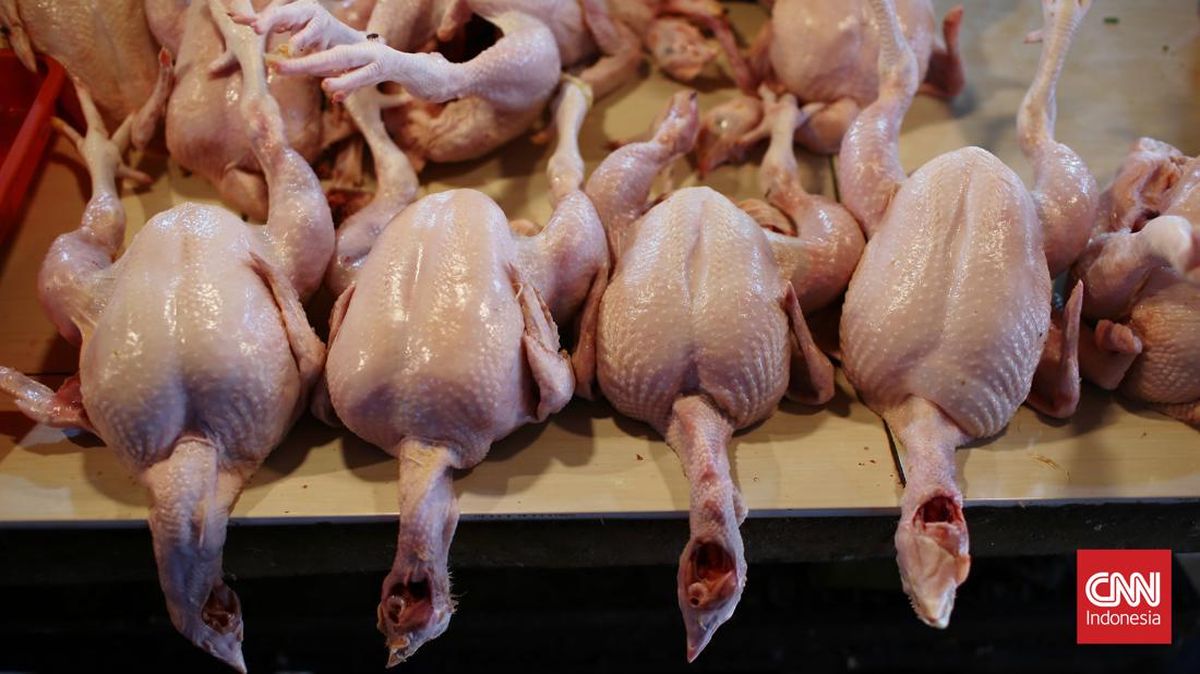
- Bleeding and Processing: The carcass is left to bleed out completely. Only after the nervous system has fully shut down is the bird moved to the scalding and de-feathering stage.
Supporting Data and the Regulatory Landscape
The importance of these procedures is underscored by the massive scale of the Indonesian poultry industry. According to data from the Central Bureau of Statistics (BPS), Indonesia produces billions of broiler chickens annually to meet domestic demand. To regulate this, the Ministry of Religious Affairs, through the Halal Product Assurance Organizing Agency (BPJPH), has set strict deadlines for all food products to be halal-certified.
As of late 2024 and heading into 2026, the Indonesian government has intensified its "Wajib Halal" (Mandatory Halal) campaign. This initiative requires all slaughterhouses (RPH) and poultry slaughter units (RPU) to employ certified "Juleha" (Juru Sembelih Halal or Halal Slaughterers). These individuals undergo rigorous training and certification to ensure they are competent in both the religious prayers and the technical hygiene requirements.
Statements from Religious and Industry Authorities
The Indonesian Ulema Council (MUI), which previously held the primary authority for halal certification, continues to play a vital role in setting the fatwas (religious rulings) that guide these practices. A spokesperson for the MUI Fatwa Commission recently emphasized that "halal is not just a label, but a comprehensive system of ethics that begins with how we treat the animal before the knife even touches the skin."
Similarly, officials from the Ministry of Agriculture have highlighted the intersection of religious law and public health. "The Sharia method of slaughter, when performed correctly, is one of the most hygienic ways to process meat," stated a senior veterinary officer. "By ensuring the heart continues to beat for a few moments after the incision, we maximize blood drainage, which significantly reduces the risk of bacterial contamination and extends the shelf life of the poultry."
Broader Impact and Global Implications
The rigorous adherence to these slaughtering protocols has significant implications for Indonesia’s position in the global market. The global halal food market is projected to reach trillions of dollars in value by the end of the decade. By standardizing the "doa" and the physical methodology of poultry slaughter, Indonesia is positioning its exports to be highly competitive in Middle Eastern and African markets.
Furthermore, the rise of "Halal Tourism" has led to increased scrutiny of food preparation in hotels and restaurants. International tourists from the OIC (Organization of Islamic Cooperation) countries prioritize halal-certified dining, making the training of slaughterers a key component of the nation’s tourism strategy.
Conclusion: A Synthesis of Faith and Science
The prayers and procedures for slaughtering chickens in Islam represent a unique synthesis of theological devotion and practical science. For the individual believer, the recitation of the doa is an act of gratitude and a reminder of the interconnectedness of all life. For the state, these rituals form the backbone of a robust regulatory system that ensures food safety, ethical treatment of animals, and economic growth.
As Indonesia moves toward its goal of becoming the world’s leading halal producer, the humble act of slaughtering a chicken remains at the heart of the nation’s identity. It is a process that demands precision, compassion, and a steadfast commitment to the principles of Halalan Thayyiban—meat that is not only permissible by law but also good for the body and the soul.