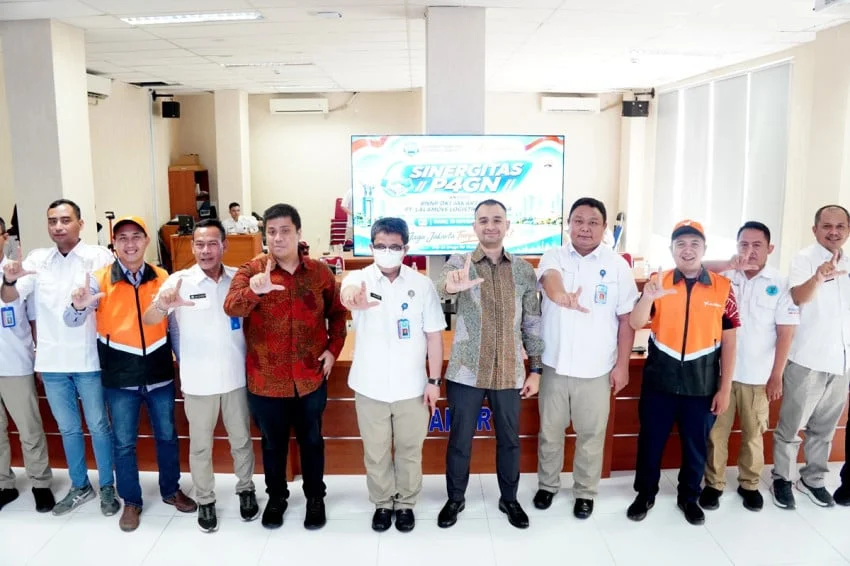
The rapid evolution of the digital economy has transformed consumer behavior, with on-demand delivery services becoming an indispensable component of daily life. While this digital shift offers unprecedented convenience, it has simultaneously introduced complex security challenges, most notably the exploitation of logistics networks for the illicit trafficking of narcotics and precursors. Recognizing the urgency of this threat, Lalamove Indonesia, a leading on-demand delivery platform, has formally entered into a strategic partnership with the National Narcotics Agency of the Republic of Indonesia for the Special Capital Region of Jakarta (BNNP DKI Jakarta). This collaboration, formalized through a Cooperation Agreement (PKS), represents a proactive measure to harden the logistical infrastructure against criminal infiltration.
The Strategic Partnership: A Proactive Defense
The signing of the Cooperation Agreement (PKS) at the BNNP DKI Jakarta office in Cideng, Central Jakarta, marks a significant shift in how private logistics companies engage with law enforcement. The agreement focuses on the "Prevention and Eradication of Drug Abuse and Illicit Trafficking of Narcotics and Narcotics Precursors." This partnership is not merely symbolic; it establishes a formal framework for information sharing, capacity building for staff, and the implementation of standardized protocols to identify suspicious shipments before they are processed through the network.
By integrating the operational expertise of a logistics giant with the investigative intelligence of the BNNP, both parties aim to close the gaps that criminal syndicates frequently exploit. Drug traffickers have increasingly favored on-demand delivery services due to the anonymity provided by digital platforms and the speed of modern logistics, which allows for the rapid transport of illicit substances across urban centers while minimizing physical contact between the sender and the receiver.
The Logistics Vulnerability Gap
The rise of the "gig economy" in the logistics sector has inadvertently created a new front in the war on drugs. In the past, illicit goods were typically transported via traditional freight or public transportation, which offered more opportunities for customs or checkpoint intervention. Today, the sheer volume of on-demand transactions—ranging from food delivery to parcel courier services—makes it nearly impossible for law enforcement to manually inspect every package without causing massive economic disruption.
According to global security analysts, criminal organizations have adapted to this "last-mile" delivery model by using burner phones, fake user accounts, and decoy packages to mask their activities. The vulnerability lies in the disconnect between the delivery drivers, who are often unaware of the contents of the parcels they handle, and the law enforcement agencies tasked with interdiction. This new partnership seeks to bridge that gap by educating drivers on how to spot red flags and providing a direct, secure line of communication for reporting suspicious behavior to the BNNP.
Managing Director Perspective
Andito B. Prakoso, the Managing Director of Lalamove Indonesia, emphasized that the company’s responsibility extends beyond the efficient delivery of goods. In a statement following the signing ceremony, Prakoso noted that the platform is committed to ensuring that its services contribute positively to society.
"We recognize that as a provider of an on-demand delivery platform, we have a significant responsibility to ensure that our services are used for legitimate and lawful purposes. This collaboration with BNNP DKI Jakarta is a tangible step in our commitment to fostering a safe and responsible ecosystem. We are not just providing a service; we are taking an active role in protecting the community from the dangers of drug abuse," Prakoso stated. This sentiment underscores the shifting corporate responsibility paradigm, where private entities are increasingly expected to act as gatekeepers against illegal activities within their digital infrastructures.
The Scope of the Collaboration
The agreement encompasses several critical pillars of intervention:
- Intelligence Exchange: Establishing a secure channel for the BNNP to share indicators of suspicious activity with the platform, allowing the company to flag or restrict accounts associated with known criminal entities.
- Driver Training and Awareness: Implementing training modules for Lalamove’s partner drivers to help them recognize potential narcotics packaging or behavioral cues that may indicate illegal shipments.
- Operational Procedures: Developing internal standard operating procedures (SOPs) for handling high-risk deliveries and cooperating with law enforcement during investigations.
- Community Outreach: Promoting anti-drug awareness campaigns among the company’s vast network of partners and users to create a culture of vigilance.
Broader Implications for the Logistics Sector
The partnership between Lalamove and BNNP DKI Jakarta serves as a blueprint for the wider logistics industry in Indonesia. As the government continues to crack down on drug trafficking, it is becoming increasingly clear that law enforcement cannot succeed in isolation. The "public-private partnership" model is expected to become the industry standard for companies operating in the delivery, fintech, and transportation sectors.
By taking this initiative, Lalamove is setting a precedent that may soon influence regulatory requirements for other logistics providers. Industry analysts suggest that future government regulations could mandate similar cooperation agreements as a prerequisite for operating delivery platforms in major urban hubs. This shift could lead to a more robust, tech-enabled surveillance network where logistics companies assist in real-time monitoring of high-risk corridors.
Contextualizing the Narcotics Threat in Jakarta
Jakarta, as a primary transit point and consumption center, faces unique challenges regarding narcotics distribution. Data from the BNN and the National Police consistently highlight the city’s role in the national drug distribution network. The prevalence of "last-mile" couriers—often recruited through social media or classified advertisements—has made it difficult for authorities to track the masterminds behind these operations.
The use of delivery services is particularly problematic because it creates a "buffer" between the supplier and the user. A courier might be tasked with picking up a package from a locker or an undisclosed location and delivering it to an address, often unaware of the illicit nature of the cargo. By formalizing this partnership, the BNNP hopes to educate this workforce, effectively turning thousands of delivery drivers into an auxiliary observation network that can provide actionable intelligence.
Technological Hurdles and Future Challenges
While the partnership is a positive development, significant technological and operational hurdles remain. Privacy concerns regarding user data, the potential for false positives in reporting, and the ability of criminal syndicates to constantly evolve their tactics present ongoing challenges. For the system to be effective, there must be a balance between ensuring security and respecting the privacy rights of legitimate users.
Moreover, the effectiveness of this program will depend on the scalability of the training programs. Lalamove operates with a vast number of freelance partners; ensuring that each one receives adequate training and remains vigilant without becoming overly suspicious of legitimate customers is a delicate operational balance. The success of this initiative will likely be measured by the increase in successful interceptions of illicit goods and the subsequent decrease in the utilization of delivery platforms by criminal networks.
Conclusion: A Collaborative Future
The formalization of the partnership between Lalamove and BNNP DKI Jakarta is a clear indicator that the digital age requires a digital response to crime. By integrating law enforcement intelligence into the operational workflows of private logistics companies, the city is building a more resilient defense against the encroachment of drug trafficking.
As the digital economy continues to expand, the synergy between public security agencies and private service providers will become the cornerstone of urban safety. This collaboration is not just about catching criminals; it is about creating an environment where logistics technology is used to empower the economy rather than undermine public health. Moving forward, the effectiveness of this PKS will serve as a critical case study for other regions in Indonesia and potentially for other logistics platforms globally, proving that corporate social responsibility, when aligned with law enforcement objectives, can be a powerful tool for societal change.
As the implementation phase begins, all eyes will be on the tangible results—the number of intercepted shipments, the speed of response, and the overall improvement in the safety of the logistics ecosystem in the nation’s capital. The commitment shown by both parties serves as a stark warning to those who seek to use modern technology to facilitate the degradation of society through the illicit drug trade. Through shared intelligence, improved awareness, and strengthened protocols, the collaborative effort aims to ensure that when a delivery notification pings on a phone, it represents progress and convenience, not the hidden arrival of dangerous substances.