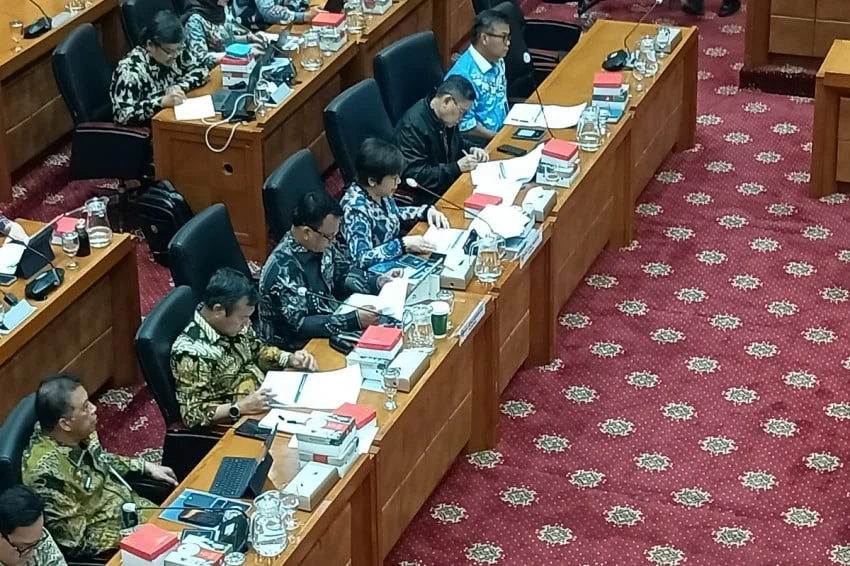
Jakarta – A palpable tension filled the air in the Indonesian House of Representatives (DPR) on Friday, July 17, 2026, as members of Commission IX launched a pointed interrogation of the leadership of the National Nutrition Agency (BGN). The grilling followed the BGN’s presentation of its 2025 financial report, which had reportedly received a "Wajar Tanpa Pengecualian" (WTP) or "Unqualified Opinion" from the Supreme Audit Agency (BPK). However, the celebratory tone the BGN might have anticipated was swiftly replaced by sharp skepticism and accusations of potentially fabricated findings.
The core of the commission’s concern stemmed from a perceived stark disconnect between the BPK’s clean audit opinion and the agency’s actual budget realization. Muazzim Akbar, a member of Commission IX representing the National Mandate Party (PAN) faction, articulated this disbelief forcefully during a hearing. He highlighted that the average budget realization for the BGN in 2025 stood at a mere 59%. This low figure, he argued, stood in direct opposition to the implications of a WTP opinion, which typically signifies sound financial management and effective utilization of funds.
"The budget realization averages only 59%, how can it be WTP when the budget realization is only this much? Don’t tell me the WTP was made up," Muazzim Akbar stated, his voice echoing the sentiment of several of his colleagues. His pointed question, "Jangan jangan WTP-nya dibikin-bikin" (Don’t tell me the WTP was made up), underscored the deep-seated suspicion that the BGN might have manipulated its reporting or that the BPK’s assessment was flawed.
Echoing these concerns, Heru Cahyono, a member of Commission IX from the Golkar Party faction, also raised red flags regarding the financial report. He specifically pointed to lingering notes and discrepancies within the financial statements presented, which further fueled doubts about the integrity of the WTP opinion. The presence of unresolved issues, even within a report deemed "unqualified," suggested that the BGN’s financial narrative might not be as pristine as the WTP designation implied.
Background: The Significance of WTP and Budget Realization
The "Wajar Tanpa Pengecualian" (WTP) opinion from the BPK is the highest form of assurance an audited entity can receive. It signifies that the financial statements present a true and fair view of the entity’s financial position, performance, and cash flows, in all material respects, in accordance with applicable accounting standards. Achieving a WTP is generally seen as a mark of good governance, transparency, and accountability in financial management.
Conversely, budget realization refers to the percentage of the allocated budget that an agency has actually spent or committed. A low budget realization rate can indicate several issues, including:
- Ineffective Planning: The agency may have overestimated its needs or failed to develop realistic project timelines.
- Implementation Challenges: Bureaucratic hurdles, procurement delays, or unforeseen operational difficulties can hinder spending.
- Lack of Capacity: The agency might lack the personnel or expertise to effectively execute planned programs and projects.
- Under-delivery of Services: Low spending can directly translate to a failure to deliver intended public services or achieve program objectives.
The disparity highlighted by Commission IX members – a high assurance audit opinion alongside a significantly low budget realization – creates a logical paradox that raises serious questions about the true state of the BGN’s financial health and operational efficiency.
Chronology of Scrutiny
While the article focuses on a specific hearing on July 17, 2026, the scrutiny of the BGN by Commission IX likely represents an ongoing oversight process. The BGN, as a national agency responsible for nutrition, would be subject to regular reporting and review by the DPR.
- Late 2025/Early 2026: The BGN would have been preparing its 2025 financial statements and program reports. This would involve internal audits and data compilation.
- Mid-2026: The BPK would have conducted its audit of the BGN’s 2025 financial statements.
- Prior to July 17, 2026: The BPK would have issued its audit opinion, presumably a WTP, to the BGN. The BGN would have also compiled its budget realization data for 2025.
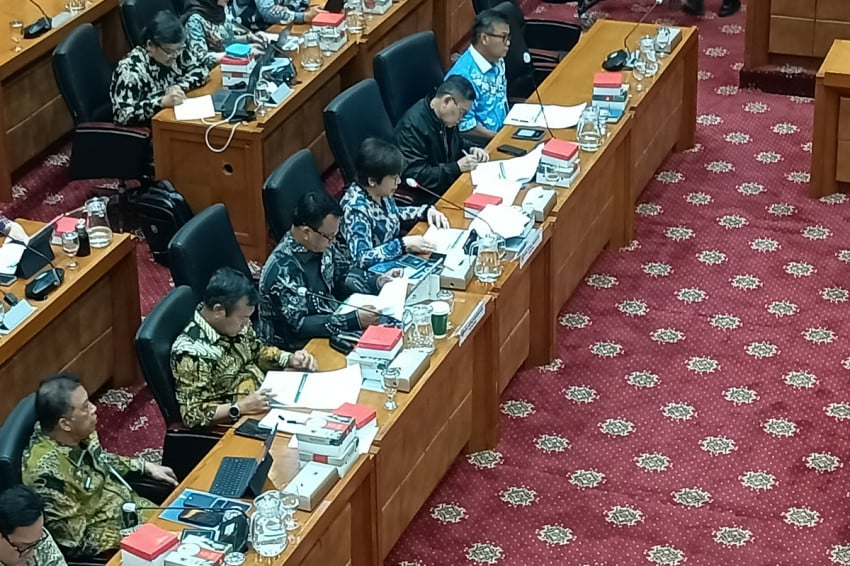
- July 17, 2026: The BGN presents its 2025 financial report, including the WTP opinion, to Commission IX of the DPR. During the hearing, Commission IX members express their deep concerns regarding the low budget realization rate, questioning the validity of the WTP.
The current report only captures the immediate aftermath of the BGN’s presentation, where the critical questions were raised. It is plausible that this is not the first instance of the commission questioning the BGN’s performance, especially if low budget realization has been a recurring issue.
Supporting Data and Potential Implications
The provided text offers a crucial data point: the BGN’s 2025 budget realization was approximately 59%. To fully contextualize this, a comprehensive analysis would require comparing this figure against several benchmarks:
- Previous Years’ Realizations: How does 59% compare to the BGN’s budget realization in 2024, 2023, and prior years? A consistent trend of low realization would strengthen the argument for systemic issues.
- Targets for 2025: What was the BGN’s own target for budget realization in 2025? If the target was, for instance, 90%, then 59% represents a significant shortfall.
- Average Realization for Similar Agencies: How does 59% compare to the average budget realization of other national agencies with similar mandates or budgets? This would provide an industry-standard perspective.
- Specific Program Spending: Were there specific programs or initiatives that saw particularly low spending? Understanding where the money was not spent could reveal critical operational bottlenecks or a lack of progress on key national nutrition goals.
The implications of a low budget realization, especially when coupled with a WTP opinion, are multifaceted and concerning:
- Failure to Meet Public Needs: If funds allocated for nutrition programs were not utilized, it could mean that essential services, such as nutritional supplements for vulnerable populations, public health campaigns, or research initiatives, were underfunded or not implemented. This directly impacts the health and well-being of the Indonesian population, particularly children and mothers.
- Inefficiency and Waste: A WTP suggests financial probity, but a low realization rate suggests an inability to effectively deploy those funds for their intended purpose. This points to potential inefficiencies in planning, execution, or resource management within the BGN.
- Erosion of Public Trust: When government agencies fail to spend allocated funds effectively, it breeds public skepticism about the government’s ability to manage resources and deliver on its promises. The accusation that the WTP "was made up" further exacerbates this trust deficit.
- Misallocation of Resources: If the BGN is unable to spend its allocated budget, it raises questions about whether these funds could have been better allocated to other agencies or programs that could utilize them more effectively.
- Potential for Misreporting: The core of the DPR’s concern is the possibility that the WTP was achieved through accounting maneuvers or by overlooking substantive issues that would have impacted the audit opinion, especially when juxtaposed with poor budget execution.
Official Responses and Future Actions
As of the reporting date, the article only captures the immediate reaction of Commission IX members. The BGN’s leadership would have had the opportunity to respond to these accusations during the hearing. A full account would ideally include:
- BGN’s Explanation for Low Realization: The agency would need to provide a detailed and credible explanation for why its budget realization was only 59%. This could involve outlining specific challenges faced, such as delayed procurements, unforeseen environmental factors affecting program implementation, or shifts in national priorities that led to reprioritization of funds.
- BGN’s Defense of the WTP Opinion: The BGN would need to reaffirm the integrity of its financial reporting and the BPK’s audit process. They might argue that the WTP reflects the accuracy of their financial records, while the budget realization is a separate performance metric that can be influenced by external factors.
- BPK’s Role: Ideally, the BPK would also be involved in clarifying its audit process and its findings. If the BPK maintains the integrity of its WTP opinion, it might offer further insights into how an entity can achieve a WTP even with lower-than-expected budget utilization, perhaps by highlighting the robustness of its internal controls and accounting systems.
Following this hearing, Commission IX is likely to take further steps:
- Request for Detailed Clarifications: The commission may issue formal requests for detailed explanations and supporting documents from the BGN regarding its budget realization and financial reporting.
- Follow-up Hearings: Further hearings might be scheduled to delve deeper into specific issues raised.
- Recommendations for Improvement: Based on the findings, Commission IX could issue recommendations to the BGN aimed at improving budget planning, execution, and overall program delivery.
- Potential for Further Investigation: If the suspicions of manipulated reporting are not adequately addressed, the commission might consider recommending further investigation by relevant oversight bodies.
Broader Impact and National Nutrition Goals
The National Nutrition Agency plays a critical role in Indonesia’s efforts to combat malnutrition, improve maternal and child health, and promote healthy lifestyles. The effectiveness of this agency is directly tied to its ability to not only manage its finances responsibly but also to effectively deploy those funds to achieve its programmatic objectives.
Indonesia has set ambitious national goals for nutrition, including reducing stunting, improving exclusive breastfeeding rates, and addressing micronutrient deficiencies. The BGN is a key player in achieving these goals. If its budgetary capacity is hampered by poor realization, it directly jeopardizes the nation’s progress in these vital areas.
The scrutiny by Commission IX, therefore, extends beyond mere financial oversight. It is an essential part of ensuring that public funds are utilized efficiently and effectively to advance national health and well-being. The questions raised by the parliamentarians serve as a crucial reminder that transparency and accountability in financial management must be coupled with demonstrable performance and the successful delivery of public services. The integrity of the BPK’s audit process and the operational efficiency of the BGN are both under the microscope, and the resolution of these concerns will have significant implications for public trust and the future of nutrition initiatives in Indonesia.