JAKARTA – In a significant blow to corruption in the region, the Corruption Eradication Commission (KPK) has apprehended 19 individuals in Lombok Barat, West Nusa Tenggara (NTB), during an extensive sting operation conducted on Monday, July 20, 2026. Among those detained is the Regent of Lombok Barat, Lalu Ahmad Zaini, signaling a high-profile crackdown on alleged graft within local government structures. Seven of the apprehended individuals were immediately transported to the KPK’s headquarters in South Jakarta for further interrogation, underscoring the seriousness of the investigation.
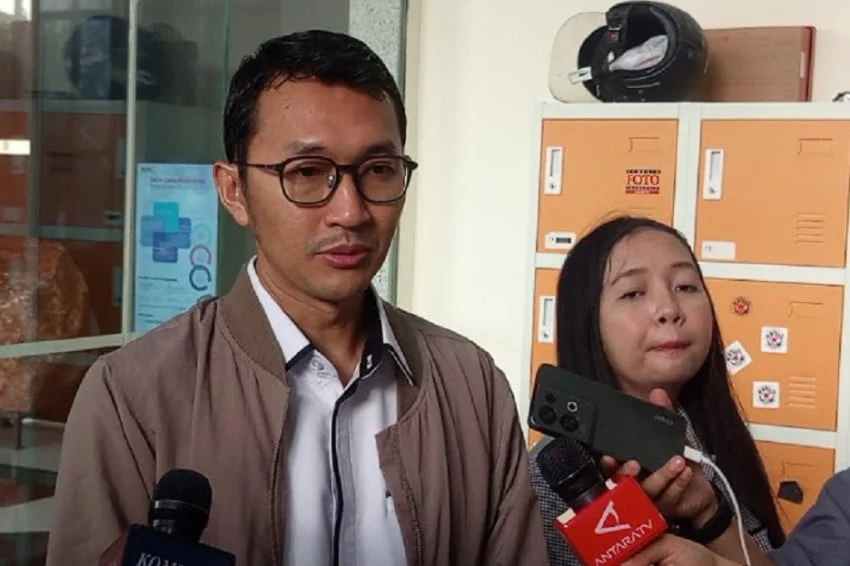
The operation, details of which are still emerging, is centered on allegations of corruption that have cast a shadow over the administration of Lombok Barat. The KPK, through its spokesperson Budi Prasetyo, confirmed the scale of the operation and the initial transfer of key individuals to the nation’s capital. "In the course of this sting operation, the team secured a total of 19 individuals, seven of whom will be brought to the KPK’s Red and White Building tonight for further examination," stated Budi Prasetyo at the KPK headquarters in Jakarta on Monday, July 20, 2026.
The detained individuals reportedly include a mix of public officials and private sector actors. Budi Prasetyo elaborated that among those taken into custody were civil servants (ASN) and individuals from the private sector, suggesting a potentially intricate web of illicit dealings. This broad scope indicates that the investigation may be delving into systemic corruption involving both public administration and external entities. The involvement of private sector players often points to alleged bribery, procurement irregularities, or other forms of collusion aimed at circumventing established legal and financial protocols.
Background of the Investigation and Operation
While specific details of the alleged corrupt practices remain under wraps as the investigation is in its nascent stages, such operations by the KPK are typically initiated following a period of intelligence gathering and surveillance. The sting operation, often referred to as an "operasi tangkap tangan" (OTT), is a hallmark of the KPK’s proactive approach to combating corruption, aiming to apprehend suspects in the act or shortly thereafter, thereby securing crucial evidence.
Lombok Barat, a regency on the island of Lombok, is a region known for its tourism potential and agricultural productivity. Like many local governments in Indonesia, it faces the perpetual challenge of ensuring transparent and efficient resource management. Allegations of corruption in local governance can have far-reaching consequences, impacting public service delivery, economic development, and the trust citizens place in their elected officials and administrative bodies. The involvement of the Regent himself suggests that the alleged corruption may involve high-level decision-making processes or significant financial transactions within the regency.
Chronology of the Apprehension
The KPK’s operation on Monday, July 20, 2026, unfolded with a degree of precision, culminating in the detention of 19 individuals. While a minute-by-minute account is not yet publicly available, the KPK’s statement confirms that the arrests took place on Monday. The subsequent transfer of seven individuals to Jakarta on the same evening indicates the urgency and perceived strength of the evidence gathered during the sting.
The process typically involves KPK investigators identifying a nexus of corrupt activity, often through tips from the public or internal intelligence. This intelligence is then meticulously corroborated, leading to the planning and execution of an OTT. The swiftness with which some detainees were moved to Jakarta suggests that the KPK believes they possess substantial evidence, potentially including seized cash, documents, or electronic data, that requires immediate analysis at their central facilities.
Potential Corruption Schemes and Supporting Data
The nature of corruption in Indonesian local governance often revolves around several key areas. These can include:
- Procurement Irregularities: Manipulating tender processes for public works, goods, or services to benefit specific companies, often through kickbacks or collusion. This could involve inflated project costs, substandard materials, or awarding contracts to unqualified bidders.
- Misappropriation of Funds: Diverting public funds allocated for development projects, social welfare programs, or operational expenses for personal gain.
- Bribery and Extortion: Officials soliciting or accepting payments in exchange for favorable decisions, permits, or to overlook violations. Conversely, individuals or companies might offer bribes to secure advantageous treatment.
- Abuse of Authority: Using official positions for personal enrichment, such as demanding fees for services that should be free, or influencing appointments and promotions based on personal connections rather than merit.
While specific figures related to the alleged corruption in Lombok Barat are not yet public, it is worth noting that corruption cases involving local government officials in Indonesia have often involved substantial sums of money. For instance, past KPK investigations have uncovered schemes where millions, and sometimes billions, of Rupiah were siphoned off. The economic impact of such corruption can be devastating, diverting funds away from essential public services like healthcare, education, and infrastructure, thereby hindering the region’s development and perpetuating inequality.
The KPK’s mandate is to investigate and prosecute corruption cases, and their operations are guided by laws such as Law No. 30 of 2002 on the Corruption Eradication Commission. The commission has the authority to investigate, seize assets, and bring perpetrators to justice, with the ultimate goal of recovering state losses and deterring future corrupt acts.
Official Responses and Reactions
The primary official response has come from the KPK itself, through the statement of spokesperson Budi Prasetyo. His confirmation of the operation and the number of individuals detained serves as the initial official communication.
In the absence of immediate public statements from the Regent’s office or other local government officials in Lombok Barat, it can be inferred that the local administration is likely in a state of flux. The apprehension of the highest-ranking elected official in the regency would undoubtedly create a leadership vacuum and significant uncertainty. Under Indonesian law, if a Regent is detained and subsequently charged, a Deputy Regent would typically assume interim leadership responsibilities, pending the outcome of the legal proceedings.
The broader reaction from the public and civil society organizations is also anticipated. Corruption watchdogs and citizen groups often welcome such decisive actions by the KPK, viewing them as crucial steps towards accountability and good governance. However, they also emphasize the importance of a thorough and transparent investigation, ensuring that justice is served and that the systemic issues contributing to corruption are addressed.
Broader Impact and Implications
The arrest of Regent Lalu Ahmad Zaini and 18 other individuals has several significant implications:
- Deterrence: High-profile arrests, especially those involving elected officials, serve as a powerful deterrent to others who might consider engaging in corrupt practices. This sends a clear message that no one is above the law.
- Public Trust: Such operations, while highlighting instances of wrongdoing, can, in the long run, help to rebuild public trust in governance by demonstrating the authorities’ commitment to tackling corruption. However, the immediate aftermath might be marked by public skepticism and disappointment.
- Governance and Administration: The detention of key officials will inevitably disrupt the administrative machinery of Lombok Barat. The KPK’s intervention, while necessary for accountability, will require careful management to ensure that essential public services continue without undue interruption. The process of replacing or temporarily assigning leadership roles will be crucial.
- Economic Development: Corruption can stifle economic growth by discouraging investment, distorting markets, and misallocating resources. Successful prosecution and asset recovery can potentially free up funds for legitimate development projects, benefiting the community.
- National Anti-Corruption Efforts: This operation reinforces the KPK’s ongoing commitment to eradicating corruption across all levels of government in Indonesia. It signals that the commission remains vigilant and equipped to pursue cases, regardless of the position of the individuals involved.
The KPK’s investigation into the alleged corruption in Lombok Barat is expected to continue for some time, involving further interrogations, evidence gathering, and potentially asset tracing. The outcomes of this operation will be closely watched, not only within West Nusa Tenggara but across the nation, as it represents another critical chapter in Indonesia’s ongoing battle against corruption. The legal process that follows will determine the fate of those apprehended and could lead to significant reforms aimed at strengthening integrity and transparency within local governance.