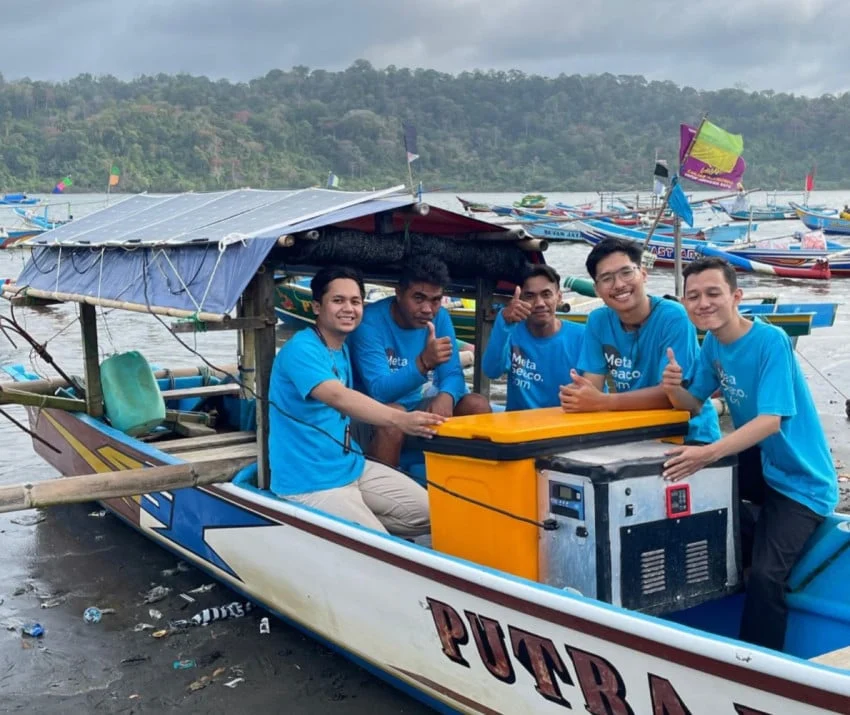
The Pertamina Foundation has solidified its commitment to fostering the next generation of social innovators through its flagship program, PFmuda. By providing a structured ecosystem for youth-led social enterprises, the program aims to address pressing societal challenges while simultaneously creating robust employment opportunities and driving sustainable economic, social, and environmental development across Indonesia. As of 2025, the initiative has expanded its reach to 28 provinces and 227 regencies and cities, marking a significant milestone in the organization’s effort to decentralize social impact. Since its inception, the program has successfully mentored 362 winning groups, transforming raw ideas into viable, scalable business models that contribute to the national economy.
A Strategic Vision for Youth Empowerment
The PFmuda program is designed as more than just a grant-giving body; it functions as a comprehensive incubator for sociopreneurs—individuals who leverage business principles to solve social and environmental problems. By identifying and nurturing young talent, Pertamina Foundation seeks to bridge the gap between creative ideation and practical execution.
According to Agus Mashud S. Asngari, President of the Pertamina Foundation, the core philosophy of the program rests on the belief that Indonesian youth possess not only unique creative potential but also the audacity required to navigate and solve complex social issues. Speaking on October 28, 2026, Agus highlighted that the program ensures that the energy and innovative spirit of the younger generation are channeled into structured pathways. This systematic approach is intended to produce long-term, sustainable impacts that align with national development goals.
Evolution and Chronology of the Program
Since its launch, PFmuda has undergone several iterations to improve its efficacy. The program began as a pilot initiative aimed at identifying localized problems in remote regions, eventually scaling into a national movement.
The trajectory of the program has been marked by a consistent increase in both quantity and quality of submissions. In the early stages, the focus was primarily on awareness and initial ideation. Over the years, the program shifted toward a more rigorous mentorship model, categorizing participants based on their business maturity. By 2025, the program successfully onboarded 110 winning groups, bifurcated into two distinct tracks: 30 groups in the "Ideation" category, which focuses on the conceptualization and feasibility testing of new ideas, and 80 groups in the "Sociopreneur" category, which provides support to established social enterprises looking to scale their operations.
A notable development in recent years is the emphasis on business continuity. In the 2025 cohort, 39 groups were specifically highlighted for demonstrating long-term business resilience and stable economic growth, signaling a maturation of the participant pool and a successful shift toward sustainable business practices.
Data-Driven Impact Assessment
To measure the effectiveness of its interventions, the Pertamina Foundation employs rigorous third-party auditing. An independent assessment conducted by PT Adi Akara Bumi recorded a Social Return on Investment (SROI) ratio of 1.68. This figure indicates that for every unit of currency invested in the program, the societal value generated—including social, environmental, and economic benefits—is significantly higher, proving the efficiency of the PFmuda model.
The diversity of the projects supported by the program reflects the multifaceted challenges faced by modern Indonesia. The distribution of innovation sectors in the 2025 cohort highlights the following:
- Food Security: 39 groups (the largest sector, reflecting a focus on agricultural and food supply chain stability).
- Micro, Small, and Medium Enterprises (MSMEs): 38 groups.
- Environmental Sustainability: 33 groups.
- Education: 14 groups.
- Social Welfare: 13 groups.
- Energy: 7 groups (aligned with the energy transition goals of the parent company).
- Technology: 5 groups.
The reach of the program extends deep into the demographic fabric of the country. To date, PFmuda has benefited 16,601 individuals, with a deliberate focus on inclusivity. The beneficiaries include 9,067 women and 7,534 men, with significant participation from vulnerable populations, including female heads of households, residents in 3T (frontier, outermost, and underdeveloped) regions, individuals with disabilities, and street children.
The Role of Sociopreneurship in Modern Indonesia
Sociopreneurship represents a critical pivot in how Indonesia approaches development. Unlike traditional charity models, which are often dependent on continuous funding, social enterprises under the PFmuda umbrella are designed to be self-sustaining. This approach reduces the burden on state resources and empowers local communities to take ownership of their own development.
The integration of MSME support into the program is particularly noteworthy. By strengthening the foundation of small businesses, the Pertamina Foundation is effectively building a resilient middle class. These enterprises serve as the backbone of the local economy, providing jobs and keeping capital circulating within the community. When these businesses adopt environmentally friendly practices—as seen in the 33 groups focused on the environment—the impact is magnified, contributing to Indonesia’s broader commitment to climate goals and green energy transition.
Challenges and Future Outlook
While the program has achieved significant success, the landscape of social entrepreneurship in Indonesia remains challenging. Access to capital, market access, and the digital divide continue to be significant barriers for young entrepreneurs in rural areas.
The Pertamina Foundation’s strategy to address these challenges involves a tiered mentorship system. By providing technical assistance, the program helps participants overcome the "valley of death" often faced by startups in their first three years. Furthermore, by fostering a community of alumni, the foundation creates a network where veteran entrepreneurs can mentor newcomers, creating a self-sustaining cycle of knowledge transfer.
Looking toward the future, the foundation aims to further digitize its mentorship programs to reach even more participants in the 3T regions. There is also an increasing focus on technology-based solutions to address environmental issues, acknowledging the global necessity of adopting Industry 4.0 standards in sustainable development.
Broader Socio-Economic Implications
The success of PFmuda carries implications that extend beyond the individual businesses supported. By standardizing the development of social enterprises, the program contributes to a more predictable and investor-friendly environment for social impact. Policymakers and other private sector entities may look to the PFmuda model as a blueprint for corporate social responsibility (CSR) that prioritizes tangible outcomes over performative philanthropy.
Furthermore, the emphasis on inclusive growth—particularly the high participation of women and marginalized groups—serves as a model for social equity. By providing these groups with the tools to become business leaders, the program not only improves their economic standing but also changes the social dynamics within their communities, promoting gender equality and fostering a more inclusive labor market.
Conclusion
The Pertamina Foundation, through the PFmuda program, has demonstrated that corporate-led social initiatives can be both scalable and deeply impactful. By moving beyond traditional aid and focusing on the creation of sustainable business models, the program has empowered a new generation of leaders to address the most pressing challenges of the time. As the program continues to evolve, its focus on data-backed impact, regional inclusivity, and sectoral diversity positions it as a cornerstone of Indonesia’s future economic and social development. Through the continued cultivation of innovation and the provision of structured support, PFmuda remains a vital conduit for change, ensuring that the next generation of Indonesian entrepreneurs is equipped to build a more resilient and equitable nation.