The Indonesian Communist Party, historically known as Partai Komunis Indonesia (PKI), once commanded immense political gravity as one of the most formidable and influential leftist organizations in the Global South before its catastrophic collapse and ultimate statutory prohibition in 1966. Its operational lifespan spanned over five decades, characterized by early anti-colonial agitation, fierce ideological factionalism during the national revolution, a remarkable parliamentary resurgence in the 1950s, and a precipitous downfall catalysed by the tragic events of September 30, 1965. Today, the historical trajectory of the PKI remains a subject of intensive academic inquiry, judicial scrutiny, and historiographical debate, with national archives, human rights bodies, and international repositories continually re-evaluating the complex matrix of facts, political decrees, and conflicting interpretations surrounding its demise.
Roots of Leftist Agitation and Colonial Suppression
The ideological genesis of communism in the Dutch East Indies traces back to May 1914, with the establishment of the Indische Sociaal-Democratische Vereeniging (ISDV)—the Indies Social Democratic Association—founded by Dutch leftist Henk Sneevliet and a small cadre of European and native socialists. As the anti-colonial sentiment gathered momentum and sought structured organizational vehicles, the ISDV underwent a radical transformation. By May 1920, the movement officially rebranded itself as the Perserikatan Komunis di Hindia (PKH), subsequently adopting the definitive title of Partai Komunis Indonesia (PKI) in 1924, thereby embedding itself deeply into the nationalist consciousness of the archipelago.
During the colonial era, the newly formed party sought to galvanize the burgeoning proletariat, plantation laborers, and marginalized peasantry against Dutch hegemony. However, this early phase was fraught with strategic miscalculations and internal ideological friction. In 1926, the PKI orchestrated a series of premature and poorly coordinated regional uprisings against the colonial administration in West Java and West Sumatra. The Dutch colonial authorities responded with overwhelming force, crushing the rebellions swiftly. Thousands of suspected communists and sympathizers were arrested, subjected to harsh interrogation, and exiled to remote penal colonies such as Boven Digoel in Western New Guinea. Consequently, the party was driven deep underground, severely curtailing its institutional capabilities throughout the remainder of the Dutch administration and the subsequent Japanese occupation during the Second World War.
The 1948 Madiun Rebellion and the Crisis of Legitimacy
Following the Proclamation of Indonesian Independence on August 17, 1945, the political landscape shifted dramatically, allowing the PKI to re-emerge from the shadows into the open arena of national politics. However, the newly minted republic was immediately embroiled in an existential diplomatic and military struggle against returning Dutch forces determined to reclaim their former colony. This volatile environment amplified ideological fractures within the domestic political sphere, pitting nationalist and religious factions against a hardening leftist coalition.
The tension culminated on September 18, 1948, in the East Java city of Madiun, where armed units aligned with the PKI and the People’s Democratic Front (Front Demokrasi Rakyat, or FDR) launched an insurrection against the republican government led by President Sukarno and Vice President Mohammad Hatta. Historical records curated by the National Archives of the Republic of Indonesia (ANRI) and the Ministry of Culture’s Historical Encyclopedia note that the faction proclaimed the establishment of a "Soviet Republic of Indonesia" in Madiun, directly challenging the central government’s authority while it was simultaneously negotiating with the Dutch.
The republican government, spearheaded by the loyal elements of the Indonesian National Armed Forces (TNI), initiated a decisive military campaign to suppress the rebellion. Within months, the insurrection was dismantled. Prominent leftist leaders, including Musso and Amir Sjarifuddin, were captured and executed, while thousands of rank-and-file members perished or were incarcerated. The Madiun Incident of 1948 inflicted a massive blow to the party’s institutional structure, rendering it a pariah in mainstream nationalist politics and establishing a profound precedent of distrust between the military establishment and the Indonesian communist movement.
Parliamentary Resurgence in the 1950s
Despite the near-fatal blow suffered in 1948, the PKI demonstrated remarkable organizational resilience. Under the dynamic and pragmatic leadership of Dipa Nusantara (D.N.) Aidit, along with young turks such as Lukman and Njoto, the party embarked on a comprehensive internal overhaul in the early 1950s. Rather than prioritizing immediate armed struggle, Aidit pivoted the party toward legal, mass-based political mobilization, aligning the PKI’s rhetoric with President Sukarno’s overarching anti-imperialist narrative and championing the immediate socioeconomic grievances of peasants, industrial workers, youth organizations, and women.
This strategic pivot bore phenomenal fruit during Indonesia’s historic 1955 legislative elections—the first democratic parliamentary polls held in the nation’s history. Official data from the General Elections Commission (KPU) revealed that the PKI garnered an astonishing 6,179,914 votes, translating to 16.36 percent of the total national vote share and securing 39 seats in the People’s Representative Council (DPR). This performance propelled the PKI into the top tier of national political parties, finishing closely behind the Indonesian National Party (PNI), Masyumi, and Nahdlatul Ulama (NU). Furthermore, in the elections for the Constituent Assembly tasked with drafting a permanent constitution, the party expanded its footprint further, capturing approximately 6.23 million votes and 80 seats. By the mid-1950s, the PKI had undeniably cemented its status as an indispensable pillar of Indonesia’s parliamentary democracy, commanding a vast apparatus of affiliated mass organizations such as SOBSI (trade union federation) and BTI (peasant front).
The Era of Guided Democracy and Nasakom
The fragile parliamentary democracy of the 1950s collapsed under the weight of regional rebellions and intractable cabinet instabilities, paving the way for President Sukarno’s authoritarian yet populist decree on July 5, 1959, which inaugurated the era of "Guided Democracy." In this hyper-centralized political framework, the traditional balance of power shifted decisively away from elected parties toward an uneasy triumvirate consisting of President Sukarno, the influential Indonesian Army (Angkatan Darat), and the rapidly expanding PKI.
To navigate this treacherous ideological minefield, President Sukarno promulgated the concept of Nasakom—an acronym fusing Nasionalisme (Nationalism), Agama (Religion), and Komunisme (Communism). The PKI embraced Nasakom with tactical fervor, positioning itself as the staunchest defender of Sukarno’s leftist foreign policy, his confrontation against Malaysia (Kolae Ganyang Malaysia), and his anti-Western rhetoric. By the early 1960s, the PKI’s influence permeated cultural, educational, and bureaucratic institutions.
However, this rapid ascent directly antagonized the Indonesian military leadership, particularly the Army, which viewed the communists as an existential threat to the state ideology of Pancasila and national security. The political climate deteriorated into a zero-sum game. Tensions flared over agrarian reform policies (Aksi Sepihak) where peasants seized absentee landlord estates, fierce debates over the national budget, and the PKI’s controversial proposal to arm a "Fifth Force" consisting of peasants and workers alongside the official branches of the armed forces. The stage was thus set for a national cataclysm.
The 1965 Crisis: The September 30 Movement
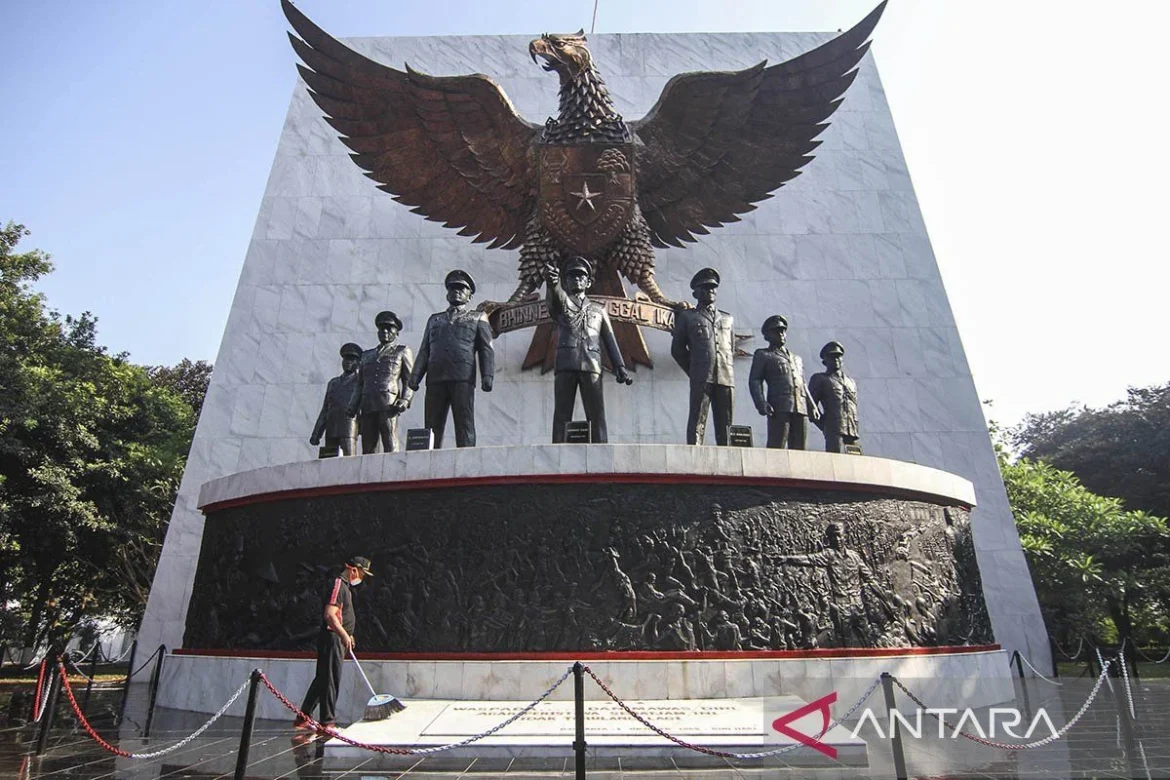
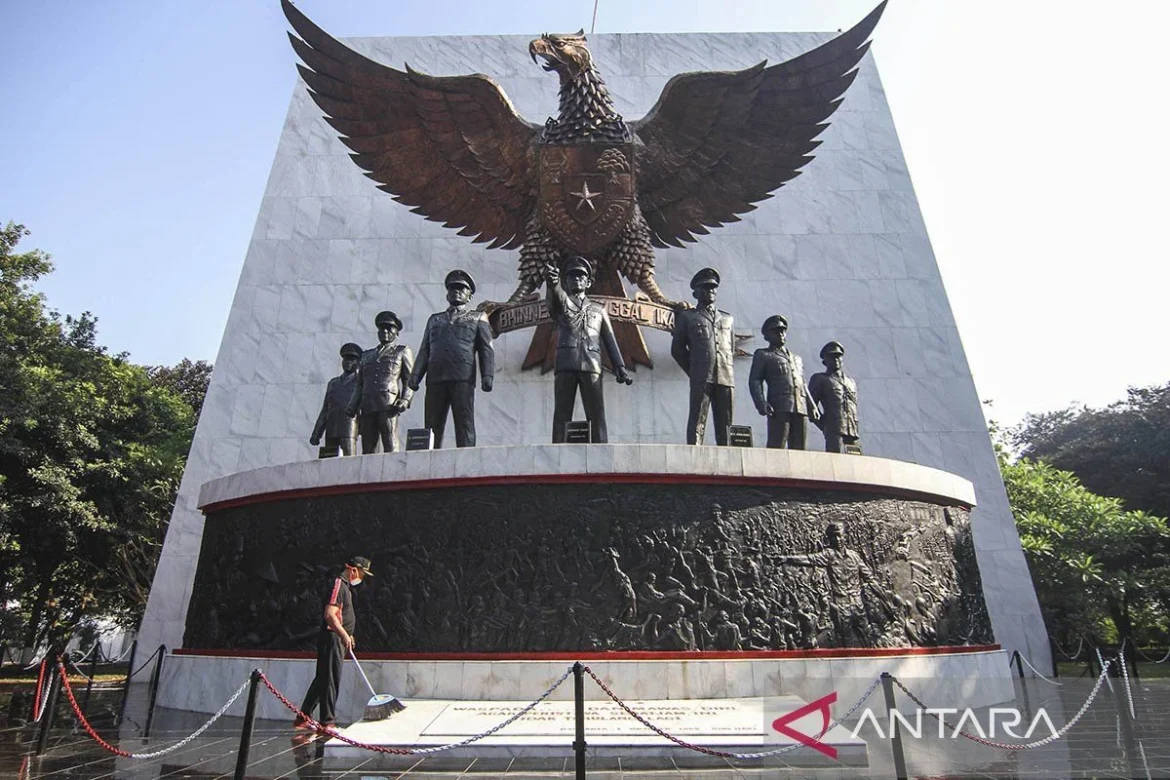
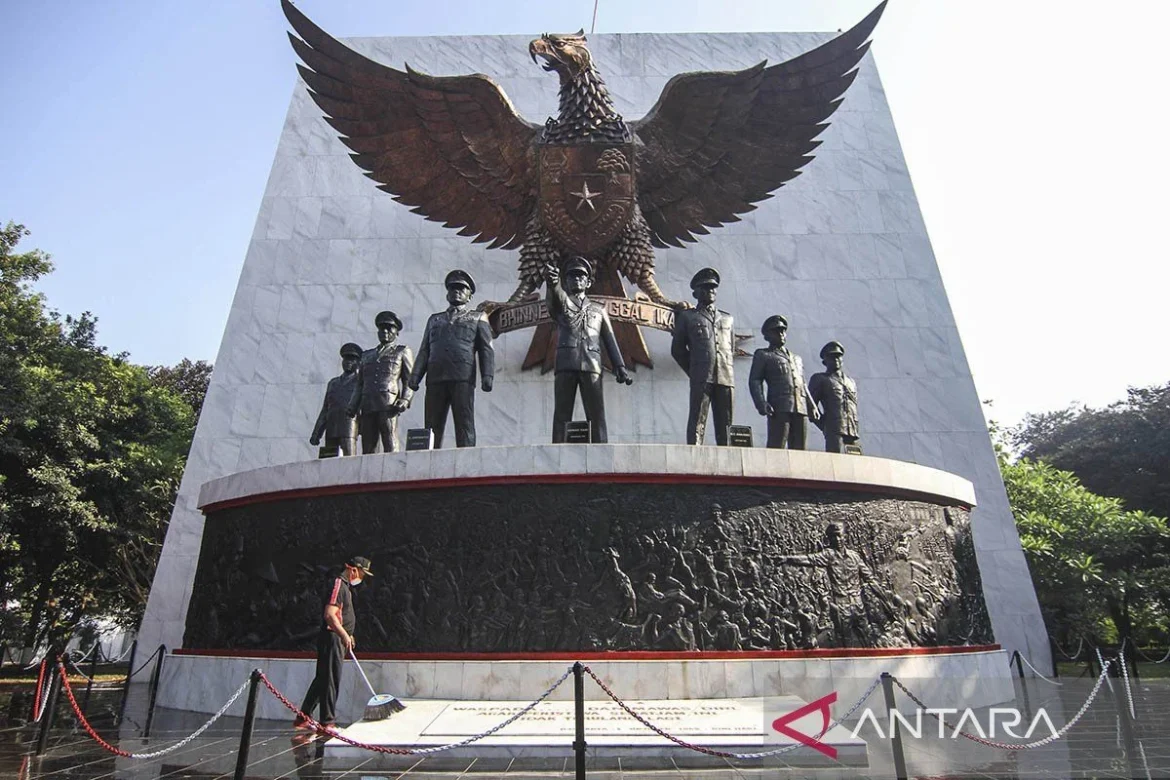
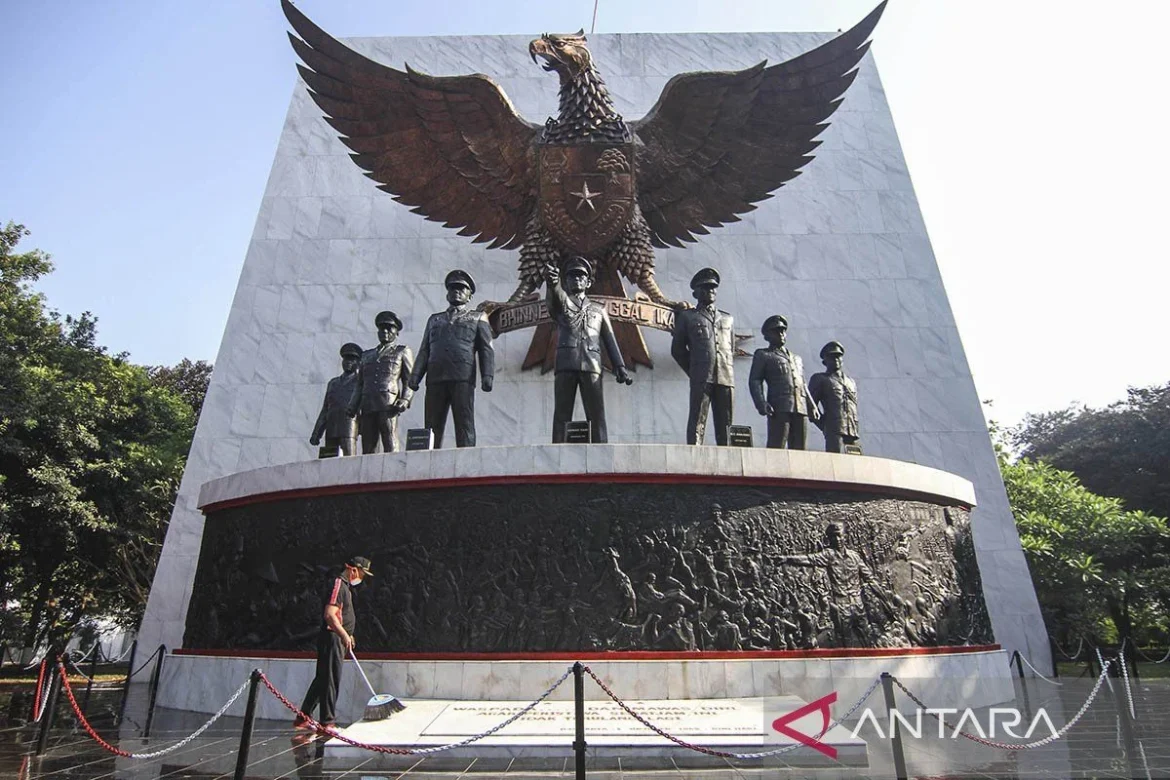
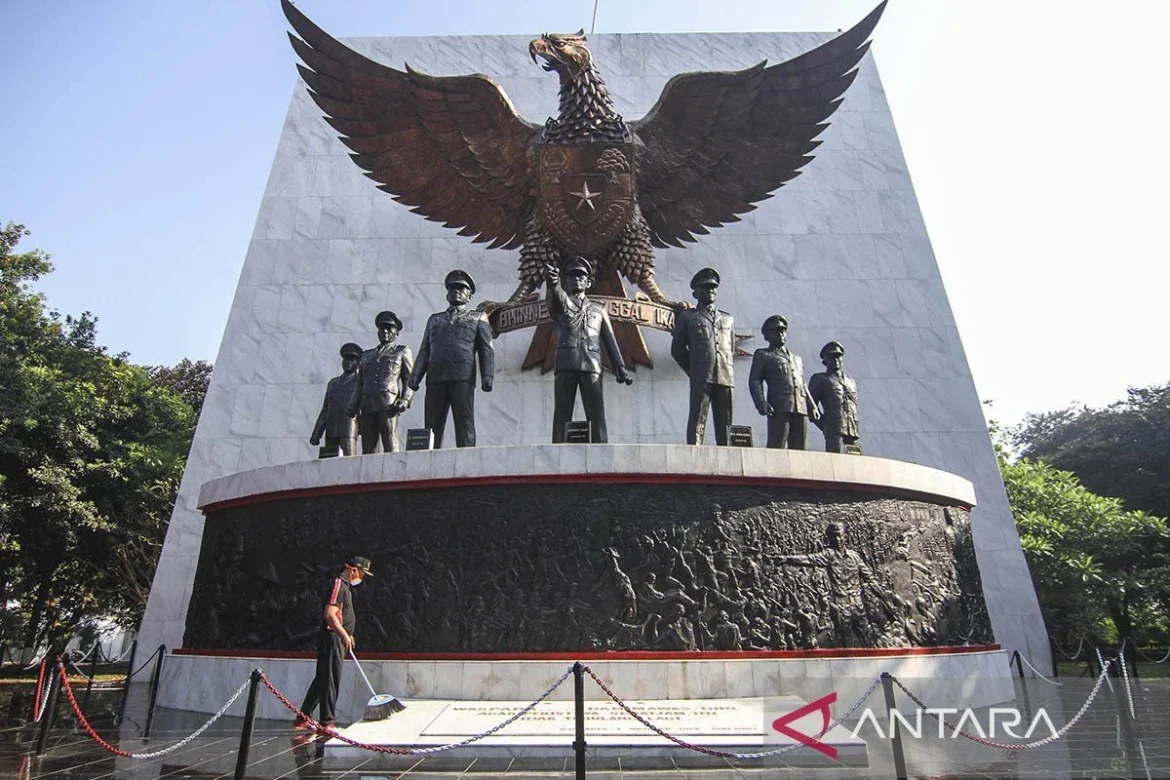
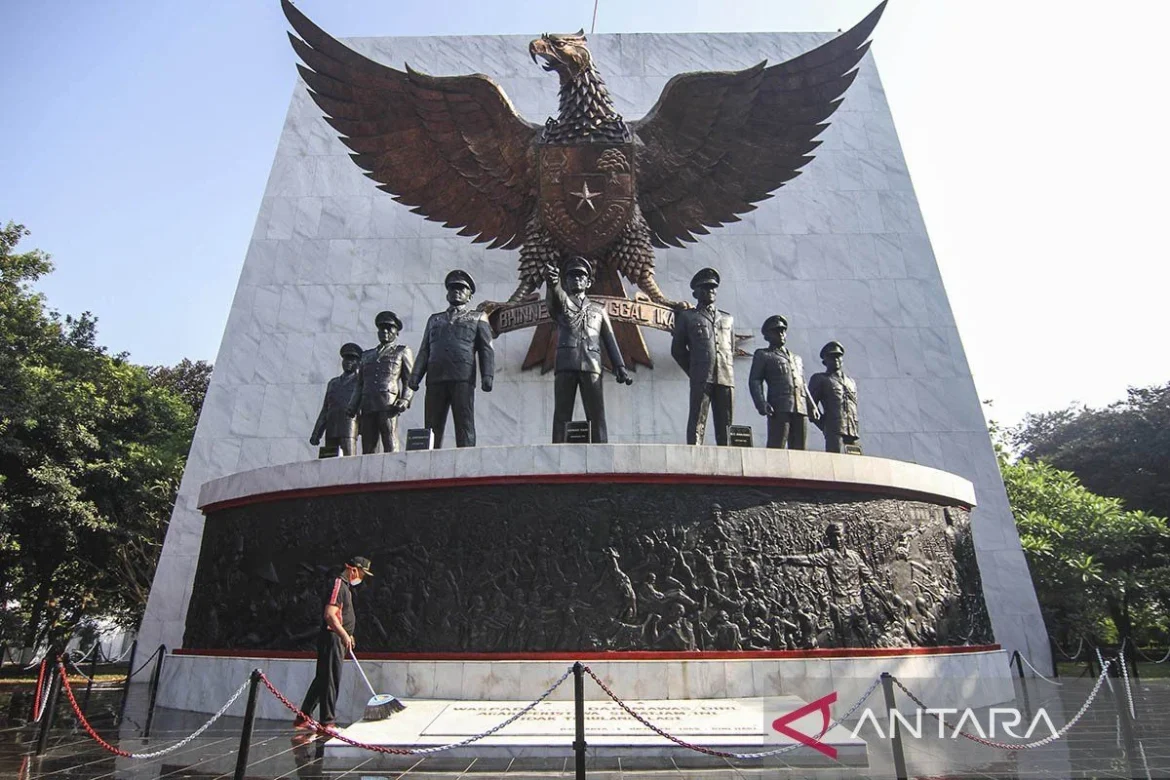
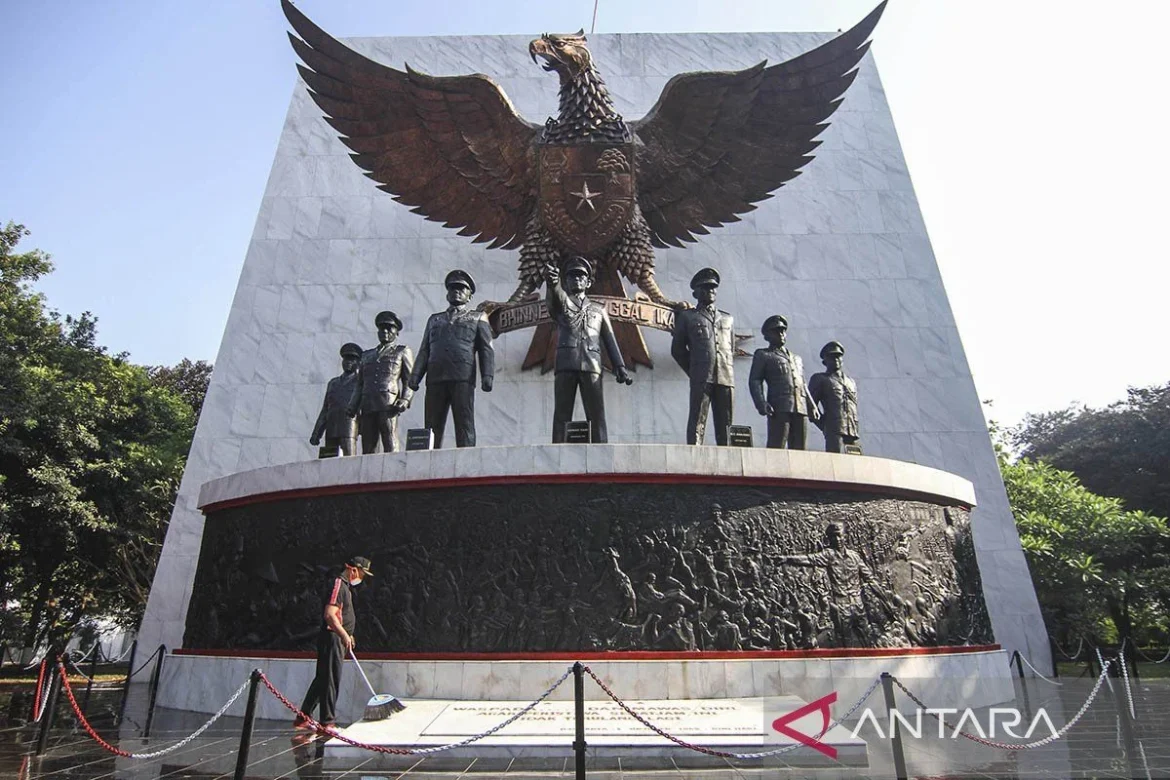
The tectonic fault lines of Indonesian politics ruptured catastrophically on the night of September 30 and the early hours of October 1, 1965. A faction of military personnel belonging to the Palace Guard, led by Lieutenant Colonel Untung Syamsuri, launched a coordinated operation code-named the September 30 Movement (Gerakan 30 September, or G30S). Under the pretext of thwarting an alleged coup by a "Council of Generals" backed by the Central Intelligence Agency (CIA), military units abducted and assassinated six high-ranking Indonesian Army generals and one officer. Their bodies were subsequently dumped into an abandoned well in the Lubang Buaya area on the outskirts of Jakarta.
The immediate aftermath of G30S unleashed a chaotic swirl of historical interpretations and conflicting narratives that persist in historiography today. The official narrative constructed during the subsequent New Order regime under General Suharto unequivocally cast the PKI as the singular mastermind and orchestrator of the entire conspiracy. Conversely, subsequent historical analyses, academic studies, and declassified foreign archives—including documents from the United States, Japan, and British intelligence, as referenced by ANRI—suggest a far more labyrinthine web of internal military factions, intelligence manipulations, and opportunistic political maneuvering where the extent of the central PKI leadership’s institutional complicity remains a subject of intense academic dispute.
National Human Rights Commission (Komnas HAM) investigations have documented that the abduction of the generals served as the catalyst for an unprecedented national tragedy. In the wake of the failed movement, Major General Suharto assumed effective operational control of the military, moving swiftly to neutralize the communist infrastructure and suppress any perceived leftist elements across the archipelago.
The Destruction of the PKI and Ensuing Humanitarian Crisis
The months following the events of late 1965 witnessed one of the darkest chapters in modern Indonesian history. The military apparatus, working in tandem with anti-communist religious youth groups and civilian militias, orchestrated a sweeping campaign of mass arrests, extrajudicial detentions, and large-scale violence directed against real and suspected members, sympathizers, and affiliates of the PKI.
According to findings and formal reports by Komnas HAM, the nationwide purge between 1965 and 1966 resulted in gross violations of fundamental human rights on a staggering scale. Hundreds of thousands of individuals—estimates vary between 500,00u and over a million—were summarily executed without trial. Countless others were subjected to forced displacement, prolonged detention without charge in notorious penal facilities like Buru Island, systematic torture, sexual violence, and targeted persecution. The collateral damage extended extensively to the families of those accused, casting a multi-generational social stigma over millions of Indonesians.
Statutory Prohibition and the Rise of the New Order
The political annihilation of the PKI reached its definitive legal conclusion in early 1966. On March 12, 1966—utilizing sweeping executive powers purportedly granted under the controversial Supersemar (Letter of Instruction of March 11)—Major General Suharto issued a Presidential Decree formally dissolving the PKI and outlawing all its subordinate mass organizations, declaring them illegal entities throughout the territory of the Republic of Indonesia.
This executive action received unreserved legislative ratification through Provisional People’s Consultative Assembly Decree No. XXV/MPRS/1966, passed on July 5, 1966. The MPRS decree explicitly prohibited the PKI, banned the propagation, dissemination, and development of Marxist-Leninist and communist ideologies, and instituted strict ideological vetting across all strata of the Indonesian state and civil service. To this day, despite numerous shifts in Indonesia’s democratic landscape following the fall of Suharto in 1998, Decree No. XXV/MPRS/1966 remains legally binding under the Indonesian constitutional framework, underscoring the enduring sensitivity of the issue.
The destruction of the PKI fundamentally re-engineered the geopolitical architecture of Southeast Asia. Domestically, it directly precipitated the collapse of President Sukarno’s political hegemony. Through a series of gradual constitutional maneuvers, Sukarno was stripped of his executive powers, and Suharto was formally appointed as acting president in 1967, and full president in 1968, inaugurating the 32-year authoritarian rule of the New Order.
Contemporary Historiography and Ongoing Challenges
More than six decades after the watershed events of 1965, the legacy of the PKI and the subsequent violence continue to cast a long shadow over Indonesian socio-political discourse. Modern scholarship acknowledges that the history of Indonesian communism cannot be reduced merely to the trauma of 1965; rather, it represents a complex, multi-layered historical trajectory encompassing anti-colonial struggles, internal civil conflicts like the 1948 Madiun uprising, legitimate parliamentary participation in the 1950s, and a catastrophic political miscalculation under Guided Democracy.
Efforts by institutions such as the National Archives of the Republic of Indonesia (ANRI) to release comprehensive source manuscripts and declassified international archival collections in recent years aim to enrich national historical literacy. By encouraging researchers to examine diverse evidentiary repositories—encompassing domestic logs alongside foreign diplomatic records from the United States, Japan, and Britain—historians strive to distinguish documented facts from state-sanctioned narratives and partisan polemics.
Ultimately, the history of the PKI serves as a cautionary paradigm regarding the dangers of radical ideological polarization, the fragility of democratic institutions during periods of severe economic and social distress, and the imperative of upholding universal human rights and the rule of law. As Indonesia continues to mature as a vibrant democracy, confronting its complex and painful historical past remains an essential, albeit delicate, prerequisite for national reconciliation and historical integrity.