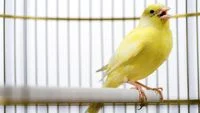
Observing birds as they perch on branches or soar across the horizon may appear to be a tranquil, leisurely pastime, but emerging neuroscientific research suggests that this seemingly simple activity holds profound implications for human cognitive health. What was once considered a hobby reserved for nature enthusiasts is now being recognized as a sophisticated mental workout, capable of enhancing visual recognition, strengthening attention spans, and potentially delaying the onset of cognitive decline in aging populations.
The intersection of ornithology and neuroscience has revealed that birdwatching—or "birding"—is not merely about identifying species. It is a complex process involving rapid visual processing, auditory discrimination, and memory retrieval. As the scientific community delves deeper into how human brains interact with the natural world, birdwatching is increasingly being cited as a viable, low-cost therapeutic intervention for those suffering from neurodegenerative conditions like dementia.
The Neuroscience of Avian Observation
A pivotal study published in The Journal of Neuroscience utilized magnetic resonance imaging (MRI) to examine the brains of avid birdwatchers. The findings were striking: the brains of experienced observers exhibited distinct patterns of connectivity in areas dedicated to complex visual perception and object recognition. When researchers presented participants with images of bird species they had never seen before, their brains demonstrated an enhanced ability to categorize and process these new visual inputs efficiently.
This suggests that the brain is not a static organ; rather, it is highly plastic. By repeatedly engaging in the process of identifying birds—which requires differentiating between subtle variations in beak shape, plumage patterns, and flight dynamics—individuals are essentially training their brains to become more adept at filtering environmental stimuli. This "visual literacy" appears to reinforce the neural pathways associated with sustained attention, which is a critical cognitive function that often degrades with age.
Chronology of Therapeutic Birdwatching Initiatives
The shift from birdwatching as a recreational activity to a clinical tool gained significant momentum in the early 21st century.
- 2013: The Bird Tales program was launched in Connecticut, USA, marking one of the first formal efforts to integrate bird-based nature therapy into long-term care facilities. The program focused on multisensory engagement—sight, sound, and the tactile experience of being outdoors—to trigger memories and social engagement in patients with dementia.
- Mid-2010s: Following the success of Bird Tales, similar initiatives expanded across Texas and Colorado, demonstrating the scalability of the model in diverse climates and institutional settings.
- 2018–2020: Academic researchers in Germany, specifically at the Catholic University of Eichstätt-Ingolstadt, conducted controlled observational studies in geriatric care facilities. By installing bird feeders within the line of sight of residents, they tracked cognitive performance over a period of three to four weeks.
- Present Day: Organizations like Age UK have institutionalized weekly birding groups, such as the one at Forge Mill Lake, West Midlands, proving that social birdwatching can combat the isolation often experienced by the elderly.
Data-Driven Insights on Cognitive Recovery
The German study provided some of the most compelling evidence to date. Researchers observed residents in panti jompo (nursing homes) who were previously withdrawn or struggling with memory loss. Within just 21 to 28 days of consistent bird observation, staff reported tangible improvements in the residents’ daily functioning.
Participants were not only better at identifying birds they had seen previously—a sign of improved short-term memory—but they also demonstrated a marked increase in social interaction. The act of observing birds provided a shared topic of conversation, which broke down barriers between residents, staff, and visiting family members. The psychological impact was equally significant; staff members noted a return of spontaneous smiling and a reduction in the symptoms of apathy that frequently accompany cognitive impairment.
Cognitive Mechanics: Why Birding Works
To understand why birdwatching is effective, one must look at the cognitive load it demands. Birding is a multi-layered task:
- Visual Attention: The observer must scan a complex environment, such as a canopy or a meadow, to locate movement.
- Pattern Recognition: Once a bird is spotted, the brain must instantly compare its visual features—color, size, and silhouette—against stored memories.
- Auditory Processing: Many birders rely on song recognition, which engages the temporal lobe, adding another layer of sensory processing.
- Information Retrieval: If the bird is recognized, the brain retrieves the name and biological facts; if it is new, the brain creates a new neural "file" for the species.
This multi-sensory stimulation is vastly different from the passive consumption of media, which often involves little active cognitive processing. By requiring the brain to actively seek, categorize, and recall information, birdwatching acts as a form of "cognitive gym," helping to maintain the organization of neural networks that are otherwise at risk of atrophy.
Implications for Aging and Mental Health
As the global population ages, the search for non-pharmacological interventions for dementia and cognitive decline has become a public health priority. The implications of these studies suggest that the preservation of cognitive function may not always require high-tech medical devices or expensive pharmaceuticals.
"If we can maintain neural plasticity through activities as simple as observing the natural world, we are looking at a paradigm shift in preventative geriatric care," notes one psychological researcher familiar with the Bird Tales project. The study suggests that the benefits of birdwatching are cumulative; those who cultivate an interest in bird identification earlier in life are likely to maintain stronger cognitive reserves as they enter their later years.
Furthermore, the environmental aspect cannot be ignored. Spending time in "green spaces" or even just looking out at nature through a window is associated with lower levels of cortisol, the body’s primary stress hormone. By lowering stress, birdwatching creates a more favorable physiological environment for cognitive health, as chronic stress is known to be detrimental to the hippocampus, the part of the brain responsible for memory and learning.
Accessibility and Future Perspectives
One of the most encouraging aspects of this research is the accessibility of birdwatching. Unlike many hobbies that require specialized equipment or physical exertion, birdwatching can be adapted to almost any level of mobility. For those with limited mobility, a simple bird feeder positioned near a window provides the necessary stimulus to engage the brain. For those with greater mobility, walking in parks or nature reserves adds the benefit of physical exercise, which has its own well-documented benefits for cardiovascular and brain health.
As cities become more urbanized, the integration of "bird-friendly" spaces in urban planning may become a vital component of public health infrastructure. Providing residents—particularly the elderly—with access to bird habitats could prove to be a highly cost-effective method of supporting mental well-being in an increasingly isolated world.
The evidence is clear: the avian world offers more than just aesthetic beauty. It provides a unique, evolutionary link to our surroundings that, when engaged intentionally, serves as a powerful tool for sharpening the mind and enriching the human experience. Whether through a window in a nursing home or a trek through a local wetland, the act of watching birds is a simple, effective, and scientifically supported strategy for maintaining a healthier, more active brain. As we look toward the future of aging, the humble act of birdwatching may well stand as a cornerstone of cognitive preservation.