The Criminal Investigation Agency (Bareskrim) of the Indonesian National Police (Polri) is aggressively expanding its comprehensive investigation into a high-profile case involving alleged treason and illegal wiretapping directed at President Prabowo Subianto. As part of this intensive crackdown, law enforcement authorities have executed a series of coordinated, marathon raids across multiple strategic locations in Jakarta Selatan, Bogor, and Tangerang. These targeted operations underscore the seriousness with which national security agencies are treating the breach, which threatens the highest office of the state.
While investigators have already successfully identified four primary suspects linked directly to the illegal wiretapping operations, Bareskrim Polri has indicated that the net is widening. Officials have stated that further suspects concerning the broader conspiracy of treason are anticipated to be officially named in the near future. The ongoing probe represents one of the most sensitive national security investigations in recent years, drawing intense public scrutiny and keeping political observers on edge as the police work to dismantle what appears to be a coordinated network.
Chronology of the Investigation and Series of Raids
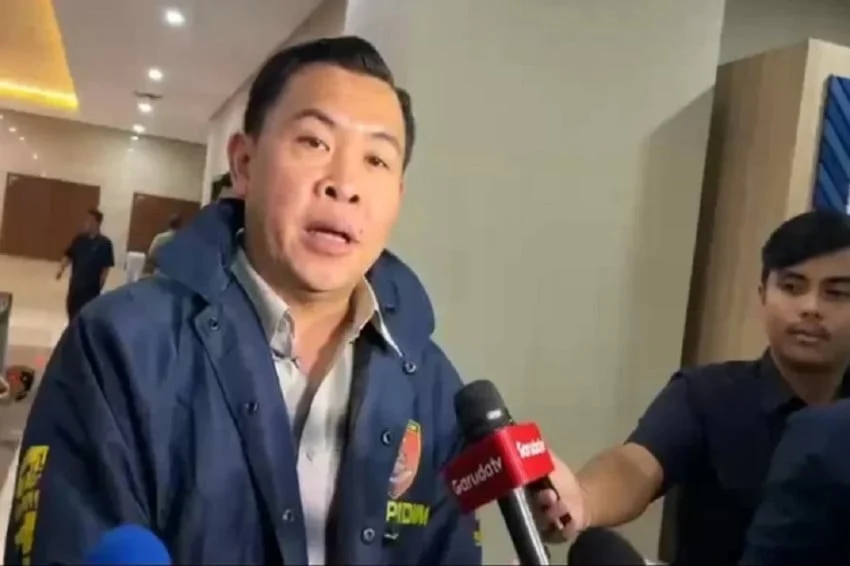
The trajectory of the investigation gained significant momentum following weeks of intelligence gathering, digital forensics, and the interrogation of dozens of key witnesses. Director of General Crimes (Dirtipidum) at Bareskrim Polri, Brigadier General Susatyo Purnomo Condro, provided critical updates regarding the operational phase of the investigation, highlighting the methodical approach adopted by law enforcement.
According to Brigadier General Susatyo, investigators executed synchronized searches across five distinct locations spanning the Greater Jakarta (Jabodetabek) agglomeration. Out of these five targeted sites, four were situated within the administrative boundaries of Bogor, West Java, while the remaining location was established in Tangerang, Banten.
"These coordinated searches constitute an essential series of investigative actions directly related to the alleged criminal acts of treason," Brigadier General Susatyo stated during a media briefing.
Law enforcement officials noted that one specific residential property in Bogor served as a clandestine operational base or "posko" utilized by the perpetrators. Investigators believe this location was instrumental in facilitating preliminary discussions, planning sessions, and initial conspiratorial actions aimed at subverting state authority. By securing physical and digital evidence from these command posts, the police aim to solidify the legal foundation of the case.
"This particular location functioned as a command post suspected of being used for criminal conspiracy and preliminary acts. Therefore, we expect that the legal construction we are building regarding this treason offense will become completely airtight and comprehensive," Susatyo explained.
Background Context: The Threat of Illegal Wiretapping Against the Head of State

The current investigation stems from a sophisticated security breach involving the alleged interception of confidential communications belonging to President Prabowo Subianto. In an era dominated by advanced digital infrastructure and asymmetric cyber threats, the security of the Head of State remains paramount. Unauthorized surveillance or wiretapping of the nation’s highest executive is treated not merely as a privacy violation, but as a severe threat to national security and constitutional stability.
In Indonesian jurisprudence, acts categorized as treason (makar)—under Articles 104, 107, and related provisions of the Indonesian Criminal Code (KUHP)—carry severe legal penalties, ranging from prolonged imprisonment to life incarceration. When combined with illegal cyber operations, espionage, or unauthorized interception, the complexity of the crime requires meticulous forensic analysis. Bareskrim Polri has deployed specialized cybercrime units alongside general detectives to dissect the digital footprints left by the conspirators, ensuring that all pieces of electronic evidence are admissible in a court of law.
Prior to the recent expansion into Bogor and Tangerang, Bareskrim had already uncovered foundational evidence pointing toward the involvement of at least four individuals. These initial suspects are currently undergoing intensive interrogation to determine their exact roles, hierarchy within the network, and whether they were acting on behalf of external or domestic paymasters.
Implications for National Security and Political Stability
The revelation of dedicated command posts used for alleged treasonous activities has sent ripples through Indonesia’s political landscape. Analysts point out that the existence of coordinated outposts outside the capital indicates a level of organization that goes beyond isolated cyber-attacks or freelance espionage. It suggests a structured conspiracy aimed at gathering intelligence illicitly to undermine executive policymaking or destabilize the current administration.
Security experts have lauded Bareskrim Polri for its swift and proactive measures, emphasizing that protecting the executive branch from illegal surveillance is critical for maintaining investor confidence, geopolitical stability, and public trust in democratic institutions. However, civil liberties watchdogs have simultaneously stressed the importance of transparency and due process, ensuring that the investigation remains strictly within the bounds of the law and respects constitutional rights.
The broader implications of this case extend to national cybersecurity policies. The incident has reignited debates regarding the vulnerability of high-ranking government officials to sophisticated spyware and unauthorized interception technologies. Lawmakers are reportedly considering a comprehensive review of state communication security protocols to prevent similar breaches in the future.
Next Steps in the Legal Process
As Bareskrim Polri processes the massive volume of electronic evidence and physical documentation seized from the five operational sites in Bogor and Tangerang, the public awaits the official announcement of additional suspects. The police have emphasized that they will not rush the process at the expense of thoroughness, aiming instead to construct an unbreakable case file for the Attorney General’s Office.
Brigadier General Susatyo reiterated that the police remain committed to transparency as the investigation progresses. Further updates regarding the formal naming of suspects and the specific charges to be laid are expected to be announced in the coming days as the interrogation of witnesses and suspects continues unabated.