The Corruption Eradication Commission (KPK) has intensified its investigation into the alleged corruption surrounding the "Ready-to-Use" funds (Dana Siap Pakai) managed by the National Agency for Disaster Management (BNPB). In a significant development, investigators summoned and interrogated Nera Susanto, a private entrepreneur and sibling of the former head of BNPB, Suharyanto, on Friday, October 30, 2026. This move marks a critical juncture in a broader probe into how disaster relief resources were allocated and whether procurement processes were compromised by nepotism and bribery.
Deepening the Investigation into Direct Procurement
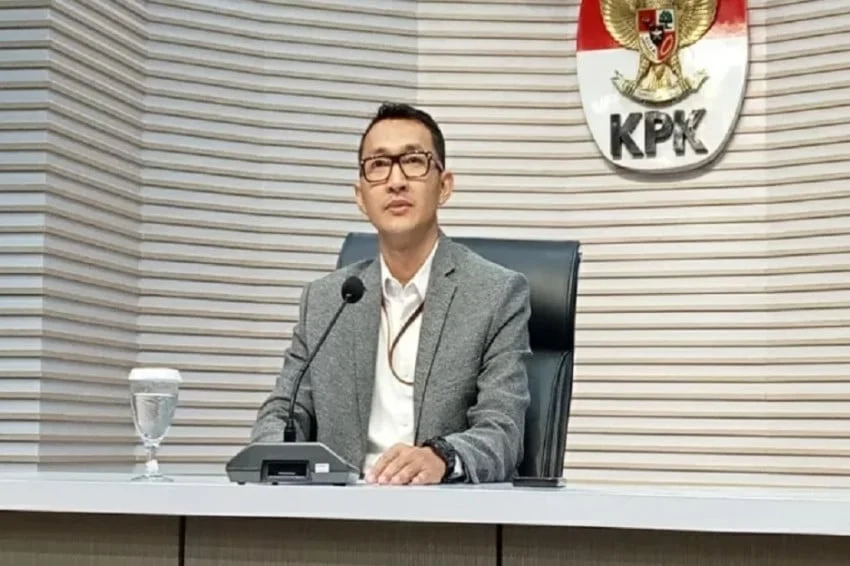
KPK spokesperson Budi Prasetyo confirmed that the interrogation of Nera Susanto focused primarily on her involvement in several projects commissioned by the BNPB during her brother’s tenure. The core of the investigation revolves around the mechanism of "direct appointment" (penunjukan langsung), a procurement method that, while sometimes necessary in emergency disaster scenarios, is frequently flagged by auditors as a high-risk area for corruption.
According to Budi, the investigative team is scrutinizing whether these direct appointments were awarded legitimately or if they served as a vehicle for systemic graft. Investigators are specifically looking into allegations of "kickbacks"—bribes paid by contractors to officials in exchange for lucrative government contracts. By examining the financial trail between the BNPB and the private entities linked to Nera Susanto, the KPK aims to determine the extent of the alleged financial loss to the state.
Chronology of the Inquiry and Witness Summoning
The examination of Nera Susanto did not occur in isolation. Her testimony is part of a synchronized effort by the KPK to map out the complex web of relationships and financial transactions within the disaster management agency. On the same day, five other witnesses were called to provide clarity on the administrative and operational procedures of the projects under suspicion:
- Eka Andriyanto, Director of PT Integra Teknika Solusindo, representing a firm potentially involved in the technical delivery of projects.
- Tari Oktavia, a finance staff member representing the interests of Richard Erlangga, PT Erlangga Jala Persada, and PT TLS, providing insight into the flow of capital and accounting records.
- Vanessa Annisa Utami, a private employee, questioned regarding administrative links.
- Monica Utari Mariana, a member of the Media and Family Affairs team for the former agency head, whose presence suggests the KPK is investigating potential blurring of lines between official agency operations and private family affairs.
- Nursadriani, a private employee, tasked with clarifying specific procurement documentation.
The interrogation of these individuals suggests that the KPK is building a comprehensive picture of the "Ready-to-Use" fund ecosystem, which is designed to be disbursed rapidly during calamities but remains highly susceptible to oversight failures.
Contextualizing BNPB’s "Ready-to-Use" Funds
The Dana Siap Pakai (DSP) is a critical component of Indonesia’s disaster resilience framework. It is designed to provide immediate liquidity to the BNPB to mobilize personnel, purchase emergency supplies, and initiate rescue operations in the immediate aftermath of natural disasters. Because the nature of disaster response requires speed, the government often grants exceptions to standard competitive bidding processes.
However, historical analysis by the Supreme Audit Agency (BPK) and various civil society organizations has repeatedly highlighted that the lack of competitive bidding in DSP projects is often exploited. The current investigation reflects a recurring theme in Indonesian anti-corruption efforts: the intersection of political or bureaucratic influence with emergency relief funds. If the allegations are proven, it would represent a significant betrayal of public trust, as funds intended to alleviate the suffering of disaster victims would have been diverted for personal gain.
Statistical Analysis and Broader Implications
While the specific nominal value of the alleged corruption has not been disclosed, the involvement of multiple private firms and the focus on kickbacks suggest a systemic issue rather than a localized error. In Indonesia, procurement corruption remains a leading cause of state financial loss. According to recent KPK data, procurement of goods and services is consistently the top category for corruption cases, often involving high-ranking officials and their familial networks.
The scrutiny on the former head of the BNPB adds a layer of political sensitivity to the case. High-profile corruption cases involving disaster relief agencies often face public outcry, as they undermine the government’s ability to respond to Indonesia’s geographic vulnerability to earthquakes, floods, and volcanic eruptions. Should the investigation lead to formal charges, it may necessitate a complete overhaul of the procurement oversight mechanisms within the BNPB to ensure that "emergency" status is not used as a loophole for illicit financial gain.
Official Responses and Future Procedural Steps
The KPK has maintained a firm stance on the investigation. Budi Prasetyo emphasized that the commission is committed to tracing the money, regardless of the status or familial connections of the individuals involved. "We are following the evidence where it leads," Budi stated, signaling that the investigation is far from over.
From a legal standpoint, the witnesses summoned have an obligation to provide truthful accounts. Under the Indonesian Criminal Code and the Law on the Eradication of Corruption, providing false testimony to the KPK is a criminal offense that can lead to additional charges. The defense teams for the individuals involved have yet to issue a formal statement, but legal observers anticipate that the coming weeks will see a surge in document production and further forensic accounting.
Strengthening Oversight in Crisis Management
The implications of this case extend beyond the immediate legal outcomes. It raises fundamental questions about the balance between operational agility and accountability. If the BNPB is to regain public trust, it must demonstrate that its internal controls—or lack thereof—are being addressed.
Public policy experts argue that for agencies like the BNPB, which handle vast sums of public money under high-pressure conditions, the implementation of blockchain-based procurement or real-time digital auditing is essential. Such technologies could potentially mitigate the risk of kickbacks by creating an immutable record of project allocations, thereby preventing the kind of "direct appointment" irregularities currently under investigation.
As the KPK continues to analyze the evidence gathered from the testimonies on October 30, the public and civil society await the next phase of the investigation. The outcome of this case will likely serve as a benchmark for how the Indonesian government handles white-collar crime in sensitive sectors. Whether it leads to a series of high-level prosecutions or merely highlights the need for structural reform, the probe into the BNPB disaster funds remains a focal point of the nation’s ongoing struggle against institutional corruption.
The investigative team is expected to compile the findings into a formal report, which will determine whether there is sufficient evidence to upgrade the case to the prosecution phase. For now, the focus remains on the meticulous verification of project timelines, financial statements, and the chain of command that facilitated these direct appointments. The resilience of the state in the face of natural disasters, the KPK asserts, depends on the integrity of the institutions tasked with their management.