
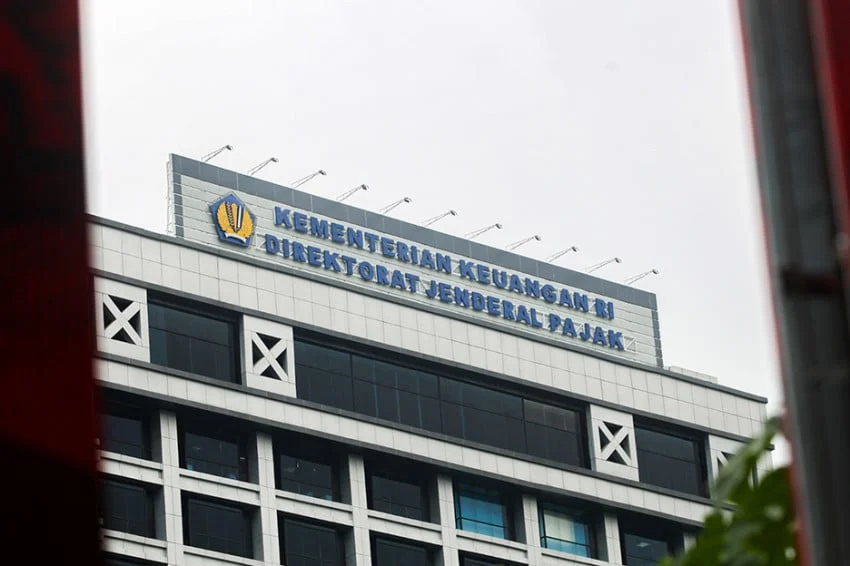
The Ministry of Finance has officially closed the door on any potential equity stake in the Jakarta-based bourse. During a high-profile press conference held by the Financial System Stability Committee (KSSK) in Jakarta, officials definitively stated that the government’s fiscal arm will remain entirely outside the ownership structure of PT Bursa Efek Indonesia (BEI). This decision comes amid an ongoing and highly transformative demutualization process within the Indonesian capital market, drawing significant attention from investors, regulators, and financial analysts alike.
The clarification was delivered directly by high-ranking fiscal leadership, aiming to eliminate market speculation regarding the government’s direct involvement in commercial exchange operations. While institutional restructuring is currently reshaping the landscape of Indonesia’s stock exchange, the Ministry of Finance has chosen to strictly maintain its traditional role as a macro-level policymaker and fiscal guardian, rather than transitioning into a commercial stakeholder of the nation’s primary securities exchange.
Defining the Boundaries of Fiscal Authority and Market Operations
The core rationale behind the Ministry of Finance’s decision rests on a fundamental governance principle: the clear separation between regulatory policy formulation and commercial market execution. PT Bursa Efek Indonesia operates fundamentally as a commercial entity and a self-regulatory organization tasked with running the daily mechanics of trading, listing, and market surveillance. Conversely, the Ministry of Finance—operating alongside other members of the Financial System Stability Committee, such as Bank Indonesia, the Financial Services Authority (OJK), and the Deposit Insurance Corporation (LPS)—holds the overarching mandate of designing national fiscal policy, managing state finances, and safeguarding broader macroeconomic stability.
During the KSSK briefing, leadership emphasized that acquiring shares in BEI would blur the institutional boundaries that ensure checks and balances within the financial sector. As a fiscal authority, the ministry must remain objective, acting as an impartial architect of economic regulations rather than an active participant in commercial exchange activities. By stepping back from equity ownership, the ministry ensures that its policy interventions regarding taxation, state-owned enterprise management, and economic stimulus remain entirely free from potential conflicts of interest tied to direct exchange ownership.
The Context of Demutualization and Evolving Market Structures
The ongoing demutualization of the Indonesian stock exchange represents one of the most critical structural overhauls in the history of the nation’s capital market. Traditionally structured as a mutual organization—where broker-dealers held membership rights and collective ownership of the exchange—the demutualization process converts BEI into a profit-oriented, limited-liability corporation with a modernized corporate governance framework. This structural evolution is designed to align Indonesia’s primary bourse with international best practices, enhance operational flexibility, attract strategic foreign and domestic investments, and bolster technological infrastructure.
As the exchange transitions through this multi-phase legal and structural transformation, various state-related financial entities and sovereign investment vehicles have naturally emerged as prospective stakeholders. For instance, entities such as Danantara—the newly prominent state investment vehicle—have been closely monitored by market observers regarding their potential positioning to acquire and hold shares in the newly demutualized exchange, pending the finalization of regulatory frameworks and operational milestones.
However, the Ministry of Finance has drawn a sharp line between general state-backed investment vehicles and its own institutional portfolio. While other arms of the government may participate in the commercial equity of the exchange to secure national interests and foster strategic development, the fiscal ministry itself will intentionally abstain from holding any stock certificates.
Ongoing Supervisory Commitment and Regulatory Alignment
Although the Ministry of Finance has ruled out direct equity participation, officials have been quick to reassure the public that this decision does not signal a retreat from the capital market’s developmental agenda. On the contrary, the ministry remains deeply committed to supporting, facilitating, and monitoring the comprehensive reform programs currently being spearheaded by the Financial Services Authority (OJK) in close coordination with BEI.
The capital market reform agenda encompasses a wide array of initiatives aimed at deepening market liquidity, enhancing retail investor protection, accelerating digital transformation, expanding sustainable finance frameworks, and strengthening corporate governance among listed companies. The Ministry of Finance will continue to utilize its macroeconomic levers to create an enabling environment for these reforms to flourish. Furthermore, through active participation in the KSSK, the ministry will maintain continuous oversight of systemic risk indicators and ensure that the transformation of the stock exchange remains synchronized with broader monetary and fiscal strategies.
"We will continue to monitor and coordinate closely, including tracking the achievement of targets outlined in the formulated action plans," officials noted during the briefing. This oversight ensures that while the operational aspects of the exchange are left to commercial actors and market regulators, the overarching security, resilience, and integrity of the financial system remain under vigilant state observation.
Broader Implications for Indonesia’s Capital Market Ecosystem
The definitive stance taken by the Ministry of Finance carries profound implications for the trajectory of Indonesia’s financial sector. First and foremost, it reinforces regulatory independence. By avoiding dual roles as both market regulator/policymaker and commercial shareholder, the government upholds international standards of corporate governance and market supervision. Foreign and domestic institutional investors often view such institutional clarity as a positive signal, as it minimizes the risk of politically driven market interventions and promotes a level playing field for all market participants.
Second, the separation paves the way for a more dynamic and commercially driven demutualization process. Without direct fiscal entanglement, BEI is positioned to pursue strategic partnerships, technological upgrades, and international alliances unencumbered by direct bureaucratic management from the nation’s treasury. This operational autonomy is vital for competing in the rapidly globalizing financial landscape, where exchanges must adapt swiftly to technological disruptions, algorithmic trading demands, and cross-border capital flows.
Finally, the announcement provides crucial market certainty. For months, industry analysts and market participants had speculated on how the state would distribute its influence across the newly restructured exchange. By clarifying that fiscal authorities will strictly adhere to policy-making duties while leaving equity holding to specialized investment entities and private stakeholders, the government has eliminated a major source of market ambiguity. As Indonesia continues to push forward with its ambitious capital market development roadmap, the clear division of labor between the Ministry of Finance, the OJK, Danantara, and BEI establishes a robust foundation for sustainable, transparent, and resilient market growth in the years ahead.