The landscape of Indonesian natural resource management is currently undergoing a significant shift, as the administration of President Prabowo Subianto moves to overhaul the nation’s extraction and export policies. This strategic initiative has garnered strong support from prominent political figures, including the Chairman of the National Awakening Party (PKB), Abdul Muhaimin Iskandar, better known as Cak Imin. The reform effort is not merely an economic exercise but is being framed as a social imperative, intended to bridge the funding gap for the nation’s universal healthcare coverage.
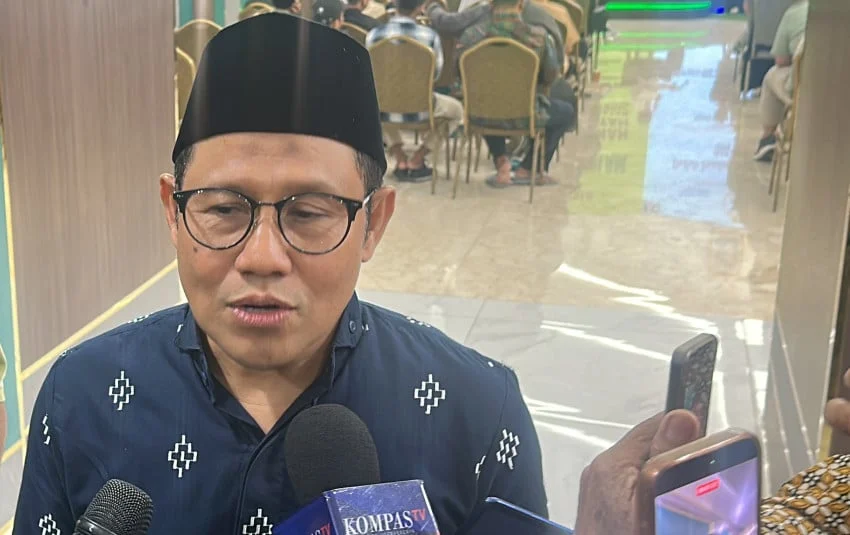
The endorsement came on Friday, November 20, 2026, following a high-level discussion titled "Islamic Socialism in Practice: From Health Insurance to Universal Health Rights." During the event, Cak Imin emphasized that the current administration’s focus on reclaiming state control over natural resources is a vital step toward establishing fiscal independence, specifically to bolster the sustainability of the National Health Insurance (JKN) system, which serves millions of underprivileged citizens.
A Strategic Pivot in Resource Governance
For decades, the extraction of Indonesia’s abundant mineral and energy reserves—including coal, nickel, copper, and gold—has been a cornerstone of the national economy. However, the benefits have frequently been criticized for failing to trickle down to the lower rungs of society. Cak Imin noted that the past 30 years have seen a lack of comprehensive evaluation regarding how these resources are managed, leading to a public perception that the wealth is concentrated in the hands of a few powerful interest groups or oligarchic structures.
President Prabowo’s administration is now pushing for a more centralized and state-led approach. By implementing policies such as "one-door" export management and stricter downstream processing requirements, the government aims to ensure that raw material exports do not bypass the national treasury. According to Cak Imin, this represents a fundamental shift in economic sovereignty, allowing the state to capture a larger share of the resource rent that was previously lost to inefficient management or private capture.
Connecting Resource Wealth to Public Welfare
The core argument presented by proponents of this policy is the direct link between natural resource revenue and the funding of public goods. The JKN program, managed by the Social Security Agency for Health (BPJS Kesehatan), has historically faced challenges regarding budget sustainability due to rising medical costs and an aging population.
During the forum, experts and policymakers simulated various fiscal scenarios to determine how to stabilize the JKN. The consensus reached was that relying solely on tax revenue is insufficient to cover the long-term needs of the country’s health sector. By reallocating a portion of the state’s revenue from natural resource extraction into the health fund, the government could theoretically eliminate the funding deficits that frequently threaten the quality of public healthcare services.
"We analyzed the necessary budgetary requirements and identified the most viable sources of revenue to cover them," Cak Imin explained. "Natural resources represent the most logical and accessible source to guarantee the universal health rights of our citizens."
Chronology of Reform: From Extraction to Downstreaming
The trajectory toward this policy shift did not happen overnight. Since taking office, President Prabowo has signaled a commitment to the "downstreaming" (hilirisasi) agenda, a continuation and intensification of policies that prioritize local processing over raw exports.

- Early 2026: The government initiates a review of mining concessions and forest management rights to identify areas where state revenue is underreported.
- Mid-2026: The introduction of the "one-door" policy, designed to centralize the monitoring of resource exports, preventing illegal shipments and ensuring tax compliance.
- September 2026: Discussions begin regarding the "Socialism in Practice" framework, seeking ways to link resource wealth directly to social safety nets.
- November 2026: Public support from key political stakeholders like Cak Imin solidifies, indicating a broad political consensus behind the administration’s economic restructuring.
Economic Implications and Challenges
While the move to consolidate natural resource management is popular, it presents significant economic and regulatory challenges. Analysts point out that increasing state control often requires high levels of bureaucratic efficiency. If not managed properly, the transition could lead to temporary market volatility or investor uncertainty, particularly in the mining and energy sectors.
Furthermore, the integration of resource revenue into social welfare programs requires a robust mechanism for transparency. Without clear governance, the concentration of power in resource management could lead to new forms of inefficiency. However, the government argues that digital transformation and the implementation of the "one-door" system are specifically designed to mitigate these risks by providing real-time data on production, export volumes, and revenue streams.
From an macroeconomic perspective, the policy aims to decouple the Indonesian economy from its reliance on volatile global commodity prices by ensuring that the value-add—and the resulting revenue—remains within the country. By mandating local processing, the government hopes to create jobs and stabilize the currency, which in turn provides a more predictable environment for funding essential services like healthcare and education.
Perspectives from Political and Social Observers
The support from Cak Imin is seen as a strategic alignment between the PKB and the ruling administration. As a party with deep roots in Islamic social thought, the PKB’s advocacy for "Islamic Socialism" centers on the concept of maslahah (public interest). In this context, using state-owned natural resources to fund public health is interpreted as a moral obligation to ensure that the nation’s bounty serves the poor.
Other stakeholders, including labor unions and public health advocates, have cautiously welcomed the move. They emphasize, however, that the success of this initiative depends on the execution. "It is not enough to simply change the management structure," noted one policy researcher. "The government must ensure that these funds are ring-fenced specifically for health and are not siphoned off into other administrative or political projects."
Looking Ahead: The Path to Universal Health Coverage
The goal of achieving Universal Health Coverage (UHC) in Indonesia is a massive undertaking. With a population of over 280 million, the logistical and financial requirements are immense. The move to tap into natural resource revenue is a recognition that the "old way" of funding public services is no longer sufficient in a rapidly changing global economic environment.
As the government moves into 2027, the focus will likely shift to the legislative framework required to codify these changes. This will include potential amendments to mining laws and the development of a specific "Health Endowment Fund" derived from natural resource dividends.
If successful, the partnership between the administration and political leaders like Cak Imin could redefine the social contract in Indonesia. By prioritizing the health of the citizens through the prudent management of the nation’s natural wealth, the government aims to demonstrate that economic sovereignty is the key to social stability. The coming months will be critical, as the administration must balance the demands of global investors with the pressing needs of the Indonesian populace, proving that the country’s natural resources can indeed serve as the engine for a healthier and more equitable future.
The broader implications of this policy extend beyond healthcare. If the administration succeeds in reclaiming control over resource management, it could set a precedent for other developing nations seeking to break free from the "resource curse." The transformation of natural resource wealth into human capital—through health and education—is the ultimate benchmark of a successful developmental state. As the debate continues, the focus remains on whether the current institutional reforms can be sustained beyond the political cycle, ensuring that the benefits of Indonesia’s natural wealth are enjoyed by generations to come.