PT PLN (Persero) has officially intensified its strategic initiatives to bolster the electric vehicle (EV) ecosystem across North Sumatra, marking a critical phase in Indonesia’s transition toward sustainable energy and green mobility. As of late October 2026, the regional adoption of electric vehicles has reached a significant milestone, with approximately 9,800 units currently operating on the streets of the province. This surge in EV ownership has prompted the state-owned electricity provider to prioritize the expansion and technological upgrading of its Stasiun Pengisian Kendaraan Listrik Umum (SPKLU) network, ensuring that infrastructure development keeps pace with the rapidly evolving needs of the public.
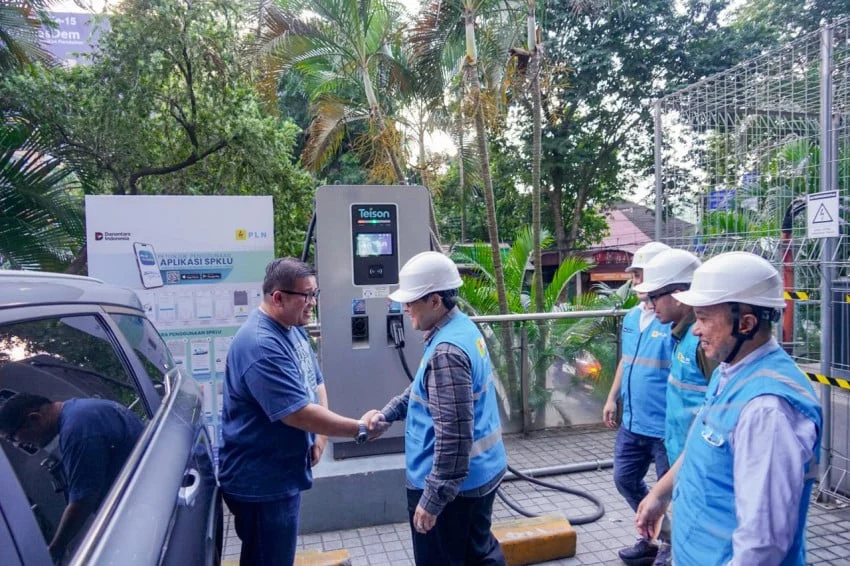
The announcement came following a high-level site inspection at the SPKLU located in the Cambridge area of Medan, conducted by PLN Independent Commissioner Ali Masykur Musa on Saturday, October 31, 2026. This visit was not merely a ceremonial oversight but a deliberate effort to gauge the real-world performance of the existing infrastructure and gather direct feedback from EV users navigating the province’s urban and suburban landscapes.
The Strategic Imperative for Infrastructure Scaling
The expansion of the SPKLU network is central to PLN’s national roadmap, which seeks to eliminate range anxiety—a primary psychological and logistical barrier for potential EV adopters. In North Sumatra, the approach has shifted from reactive installation to proactive planning. By analyzing data on current vehicle registration and charging patterns, PLN is positioning its charging stations in high-traffic corridors, residential hubs, and key tourist destinations.
Ali Masykur Musa emphasized that the responsibility of a state utility company extends beyond mere power distribution; it encompasses the cultivation of a robust support system that ensures convenience, security, and affordability for the consumer. "PLN must consistently provide comfort, ease, and safety for electric vehicle users," Musa stated during his visit. He highlighted that the exponential growth in EV adoption necessitates a dynamic, data-driven approach to infrastructure deployment. The goal is to ensure that every charging station serves as a reliable node in a wider, interconnected network that allows for seamless travel throughout the province and beyond.
User Experience and the Economic Argument for EVs
During the inspection, the PLN delegation had the opportunity to engage with local EV owners, including Indrawan, a frequent user of the Cambridge SPKLU facility. The interaction provided qualitative data that supplements the quantitative metrics PLN monitors. Indrawan noted that the shift to electric mobility has resulted in a marked reduction in operational costs compared to internal combustion engine (ICE) vehicles, alongside the intuitive convenience of modern charging systems.
This user testimony mirrors broader trends in the Indonesian automotive market. The cost-efficiency of electricity compared to subsidized or non-subsidized petroleum, coupled with the reduced maintenance requirements of electric motors, is driving a shift in consumer sentiment. For many early adopters in Medan, the economic incentives are currently acting as a primary catalyst for migration toward EVs, a trend that PLN intends to sustain by maintaining high uptime and optimal charging speeds across its stations.
Chronology of EV Infrastructure Development in North Sumatra
The development of the North Sumatra EV network is the result of a multi-year strategic rollout. The timeline of this expansion can be categorized into several key phases:
- Early Adoption Phase (2022–2023): Initial pilot projects were launched in Medan, primarily focusing on government-use vehicles and a limited number of public chargers to test the grid’s stability and the compatibility of charging standards.
- Infrastructure Calibration (2024–2025): Recognizing the increase in private EV ownership, PLN began diversifying its charger types, incorporating fast-charging units capable of reducing "time-at-pump" for consumers. This period also saw the integration of the PLN Mobile app, which allows users to locate stations, initiate charging, and make payments seamlessly.
- Expansion and Integration (2026–Present): The current phase focuses on densifying the network in the Medan metropolitan area while simultaneously extending reach to secondary cities and major tourist transit points, such as the routes leading to Lake Toba, ensuring that EV users can embark on long-distance travel with confidence.
Data-Driven Planning and Regional Challenges
General Manager of PLN Unit Induk Distribusi (UID) Sumatera Utara, Rizky Mochamad, elaborated on the complexities of managing this growth. According to Mochamad, the deployment strategy is not uniform; it is highly dependent on localized needs. "The growth of electric vehicles in our region must be balanced with the provision of charging facilities that are easily accessible, reliable, safe, and comfortable," he noted.
The planning process involves a multi-layered analysis:
- Urban Density Mapping: Identifying areas with high concentrations of private EV ownership, particularly in luxury housing complexes and commercial districts.
- Corridor Connectivity: Strategically placing SPKLU units at intervals that align with the battery range of popular EV models to facilitate intercity travel.
- Tourism Integration: Recognizing North Sumatra’s position as a major tourist destination, PLN is actively working to ensure that the infrastructure supports eco-tourism, allowing visitors to travel sustainably through the region’s natural landscapes.
Implications for the National Energy Transition
The efforts in North Sumatra serve as a microcosm for Indonesia’s national goal of carbon neutrality by 2060. The transportation sector remains one of the largest contributors to carbon emissions, and the mass adoption of EVs is a cornerstone of the government’s mitigation strategy.
From an economic perspective, the transition to an EV-centric transport model is expected to reduce the national reliance on imported fossil fuels, potentially improving the balance of payments. For the power sector, this transition presents both a challenge and an opportunity. The increased load on the electricity grid requires significant investment in grid modernization and the integration of renewable energy sources to ensure that the power being used to charge these vehicles is, itself, increasingly sustainable.
Furthermore, the "adaptive policy" mentioned by Commissioner Musa refers to the necessity of remaining flexible in the face of rapid technological advancements. As battery chemistry improves, charging speeds increase, and the vehicle-to-grid (V2G) technology becomes more mainstream, the infrastructure developed today must be modular enough to accommodate the demands of tomorrow.
Future Outlook: Sustainability and Grid Resilience
As PLN looks toward the remainder of the decade, the focus will likely shift from basic accessibility to smart grid integration. With nearly 10,000 EVs in North Sumatra alone, the aggregate demand for electricity for charging is becoming a significant factor in load forecasting. PLN is currently leveraging artificial intelligence and big data to predict charging peaks, which will help in managing distribution stability without compromising the quality of service for household or industrial consumers.
The success of the EV ecosystem in North Sumatra will ultimately depend on the continued collaboration between the public sector, private industry, and the end-users. By creating an environment where the "friction" of owning an EV is minimized, PLN is effectively building the foundation for a broader behavioral shift.
In conclusion, the visit to the Cambridge SPKLU signifies more than just a routine check-in; it reinforces the commitment of PT PLN (Persero) to act as an enabler for the energy transition. As the number of electric vehicles continues to climb, the synergy between infrastructure readiness and consumer confidence will be the defining factor in determining the speed and success of North Sumatra’s journey toward a greener, more sustainable future. The alignment of regulatory support, technological deployment, and consumer-centric service delivery positions the province as a pivotal contributor to Indonesia’s broader electrification objectives.