Vice President Gibran Rakabuming Raka’s recent working visit to Cilacap Regency, Central Java, has garnered significant attention from academic and political analysts alike, who view the direct outreach as a strategically sound approach to addressing grassroots economic challenges. The visit, highlighted by a direct dialogue with coastal communities, placed the spotlight on the persistent hardships faced by traditional fishermen, particularly issues regarding subsidized fuel distribution and infrastructure bottlenecks that hinder daily maritime operations.
While academic experts have commended the executive branch for maintaining a hands-on approach to governance, they have concurrently emphasized the critical necessity for actionable policy follow-through. The core argument rests on transforming field observations and community grievances into tangible, multi-stakeholder interventions that can permanently alleviate the socio-economic pressures weighing down Indonesia’s coastal workforce.
Chronology of the Working Visit to Cilacap
The sequence of events leading up to the policy evaluation began during Vice President Gibran Rakabuming Raka’s official working visit to Central Java on Monday, October 26, 2026. As part of his itinerary aimed at inspecting regional development and public service delivery, the Vice President traveled to Cilacap Regency, a prominent coastal hub known for its substantial fishing industry and maritime economic activities.
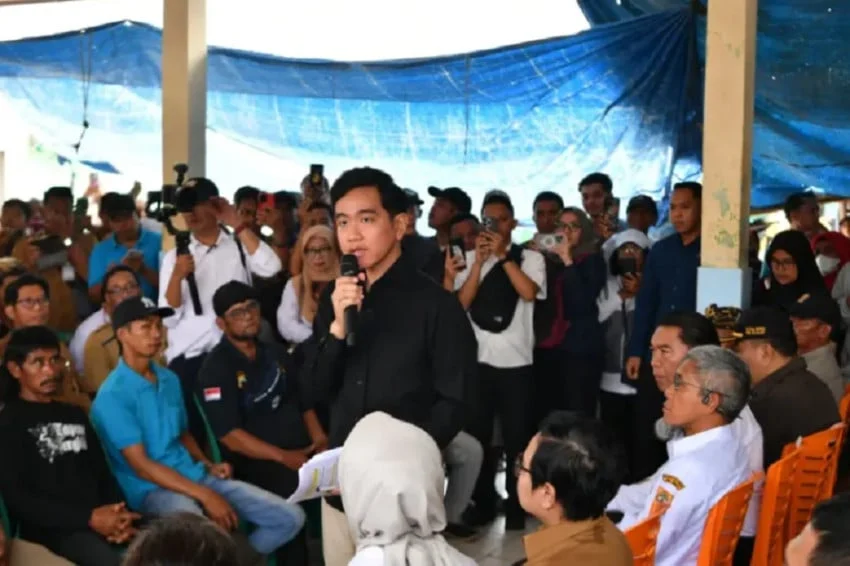
The focal point of the visit was a direct engagement session at the Tegalkatilayu Fish Auction Venue (Tempat Pelelangan Ikan – TPI Tegalkatilayu). Unlike conventional bureaucratic visits characterized strictly by indoor presentations, this field deployment featured an open forum where local fishermen, boat owners, and fishmongers directly voiced their operational grievances to the nation’s second-highest official.
During the dialogue, local fishermen articulated two primary obstacles crippling their livelihoods: the restricted quotas and problematic distribution channels for subsidized fuel required to power their vessels, and the severe siltation plaguing the Kaliyasa River channel. This geographical bottleneck has progressively restricted vessel movement, preventing fishing boats from safely navigating out to sea and returning to port, thereby slashing overall catch yields and local economic turnover.
Following the field assessment, academic evaluations emerged on Tuesday, October 27, 2026, wherein experts weighed in on the political and practical implications of the Vice President’s grassroots strategy.
Core Grievances of Coastal Communities in Cilacap
The plight of fishermen in Cilacap reflects broader systemic challenges facing Indonesia’s maritime and fisheries sector. Despite the nation’s vast archipelagic geography and status as a major maritime producer, traditional and small-scale fishermen frequently encounter structural impediments that marginalize their economic potential.
The first major grievance brought to the attention of the Vice President involved the complex dynamics of fuel distribution. Fishermen rely heavily on diesel fuel to power their motorized boats for deep-sea excursions. However, fluctuations in availability, stringent bureaucratic requirements to access subsidized allocations, and restricted regional quotas often create severe supply deficits. When fuel becomes scarce or unaffordable, fishermen are forced to scale back their operations, lease fewer vessels, or incur high levels of debt just to finance a single voyage. In an industry operating on tight profit margins, these fuel constraints directly threaten household food security and financial survival in coastal villages.
The second critical issue raised at TPI Tegalkatilayu was the severe environmental degradation and sedimentation of the Kaliyasa River channel. Over time, natural silt buildup and industrial runoff have caused significant shallowing of the waterway, which serves as the primary aquatic highway connecting local docking facilities to the open sea. During low tides, commercial and artisanal fishing vessels frequently run aground or find themselves entirely stranded, resulting in delayed departures, damaged hulls, and wasted perishable catches. Dredging and river restoration projects require coordinated intervention from regional governments, public works agencies, and environmental ministries to restore navigability and safeguard local maritime commerce.

Academic Perspectives and Expert Analysis
Weighing in on the strategic weight of the visit, Prof. Dr. Icuk Rangga Bawono, a distinguished professor at Universitas Jenderal Soedirman (Unsoed), provided a comprehensive assessment of the administration’s localized approach to public policy.
According to Prof. Icuk, the decision by Vice President Gibran to bypass standard bureaucratic layers and directly engage with marginalized constituents on their home turf represents an effective method for diagnosing structural deficiencies. Direct field visits enable executive leaders to bypass filtered reporting structures and witness firsthand the operational realities of public policy implementation at the municipal level.
Nevertheless, the Unsoed professor issued a pragmatic caveat regarding the long-term utility of such executive engagements. He stressed that symbolic dialogue and field inspections must immediately serve as catalysts for structured, multi-sectoral implementation frameworks.
“We view that approach as quite good if it is followed up with implementation that can be collaborated with relevant stakeholders,” Prof. Icuk stated on Tuesday, October 27, 2026.
His analysis underscores a recurring theme in Indonesian governance: the gap between executive outreach and bureaucratic execution. For the visit to yield genuine dividends, the Office of the Vice President must coordinate closely with the Ministry of Marine Affairs and Fisheries (KKP), the Ministry of Energy and Mineral Resources (ESDM), the Ministry of Public Works, and local government bodies to ensure that budgetary allocations match the operational needs articulated by the Cilacap fishing community.
Broader Political and Socio-Economic Implications
The working visit to Cilacap occurs within a broader sociopolitical context where the administration’s public engagement strategies are frequently scrutinized by political observers and critics alike. Field visits and town-hall-style dialogues have increasingly become a hallmark of Vice President Gibran’s operational style—bridging national governance with hyper-localized problem-solving.
Proponents of this strategy argue that physical presence in regional areas helps maintain public trust, demonstrates responsiveness, and injects a sense of urgency into sluggish bureaucratic machinery. By directly witnessing infrastructure bottlenecks like the Kaliyasa River siltation or hearing personal testimonies regarding fuel quotas, executive leadership gains the empirical backing necessary to override administrative red tape.
Conversely, political critics often warn against the risks of policy fatigue, wherein high-profile visits generate elevated public expectations that remain unfulfilled if follow-up programs stall at the ministerial level. The ultimate metric of success for the Cilacap visit will not be the media coverage generated during the dialogue at TPI Tegalkatilayu, but rather the measurable improvements in fuel accessibility, stabilized operational costs, and the successful execution of long-term dredging and infrastructure rehabilitation for the regional waterways.
Future Outlook and Policy Recommendations
As the government evaluates the feedback gathered from Cilacap Regency, several policy imperatives emerge for sustainable coastal development:
- Streamlining Subsidized Fuel Access: Regulatory frameworks governing the distribution of subsidized marine diesel must be simplified. Collaborative oversight involving local cooperatives, regional fisheries offices, and fuel distributors can minimize leakage and ensure that supplies directly reach registered traditional fishermen.
- Infrastructure Rehabilitation: Accelerated budgetary allocations for river dredging, specifically targeting the Kaliyasa River channel, are vital for restoring maritime logistics. Safe, unobstructed passage to open waters is a fundamental prerequisite for boosting regional catch volumes and economic productivity.
- Inter-Agency Synergy: Fulfilling Professor Icuk Rangga Bawono’s recommendations requires the establishment of a dedicated task force uniting national ministries and local governments to monitor project milestones and ensure transparency in resource deployment.
Through coordinated policy execution and sustained administrative follow-through, executive field visits can transition from symbolic gestures of goodwill into powerful drivers of structural reform, ultimately securing the prosperity and resilience of Indonesia’s vital coastal communities.