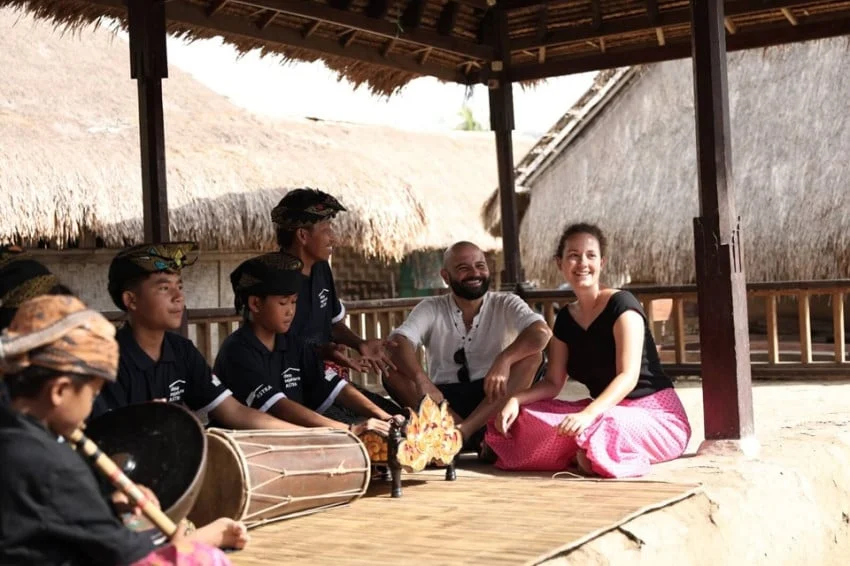
The indigenous community of Sasak Ende Village, located in Central Lombok Regency, Nusa Tenggara Barat (NTB), has successfully transformed its rich cultural heritage into a thriving engine of local economic development. Centered around traditional handwoven textiles, authentic local gastronomy, and immersive cultural tourism, the village’s collective economic activities generated approximately IDR 1.6 billion between January and October 2026. This financial milestone underscores the profound socio-economic transformation taking place in the region, largely catalyzed by structured corporate social responsibility initiatives and community-driven enterprise models.
Situated within Sengkol Village in the Pujut District of Central Lombok, Sasak Ende has long been celebrated for preserving the ancestral traditions of the Sasak ethnic group. However, in recent years, the community’s approach to sharing its heritage has shifted from passive preservation to active economic participation. Through targeted capacity-building programs, local residents have been empowered to take the helm of diverse micro-enterprises, ranging from intricate textile production and indigenous food processing to professionalized cultural tourism management.
Chronology and Program Evolution
The structured revitalization of Sasak Ende’s economy traces its roots back to strategic intervention programs designed to foster sustainable regional development. The foundational phase of this modern economic push began in 2025, when the village was integrated into the broader Desa Sejahtera Astra (DSA) network. This transition was marked by the establishment of comprehensive on-the-ground mentorship delivered by the Ecobiz Desa Sejahtera Astra Lombok program.
During the initial rollout in 2025, mentors focused on diagnosing the economic bottlenecks faced by local artisans and small-scale traders. The primary objectives were threefold: strengthening local Micro, Small, and Medium Enterprises (MSMEs), upgrading the vocational skills of the workforce, and professionalizing the village’s tourism infrastructure to handle rising visitor inflows. By the close of 2025, basic operational frameworks for financial literacy, quality control in textile production, and hospitality standards were firmly established.
As the program matured into 2026, the focus shifted toward scaling operations and diversifying revenue streams. The period spanning January to October 2026 witnessed a dramatic surge in commercial activity, culminating in the reported IDR 1.6 billion in economic turnover. This period was marked by the introduction of advanced marketing techniques, improved supply chain logistics for local raw materials, and the formal integration of community-based tourism groups.
Pillar One: The Enduring Legacy of Sasak Weaving
At the heart of Sasak Ende’s economic revival lies its traditional weaving craft (tenun). Passed down through generations, the creation of Sasak textiles is a meticulous, labor-intensive art form traditionally practiced by women in the village. Using backstrap looms and natural dyes derived from local plants, weavers produce distinct geometric patterns and motifs that carry deep cultural symbolism within indigenous society.
Historically, these textiles were produced primarily for internal ceremonial use, such as weddings, harvest festivals, and religious rituals. However, with the structured mentorship provided under the corporate partnership, local artisans have been trained to adapt their designs for broader commercial markets without compromising cultural authenticity. Quality standardization workshops have enabled weavers to improve the tensile strength, symmetry, and finish of their products, making them highly competitive in national and international souvenir markets.
The economic impact of this revitalization is direct and measurable. A significant portion of the IDR 1.6 billion generated through October 2026 can be attributed to direct-to-consumer textile sales within the village tourist zone, as well as orders channeled through digital marketplaces facilitated by program coordinators. By cutting out exploitative intermediaries, local female weavers have secured a higher proportion of the retail value, enhancing household financial security and elevating the social standing of women within the community.
Pillar Two: Culinary Tourism and Gastronomic Innovation
Beyond textiles, Sasak Ende has successfully diversified its economic portfolio by tapping into the burgeoning market of culinary tourism, or gastrotourism. Recognizing that modern travelers increasingly seek immersive, experiential journeys, community leaders and program mentors conceptualized a comprehensive culinary initiative highlighting indigenous ingredients and ancient cooking methodologies.
Central to this gastronomic strategy is the establishment of dedicated cooking class facilities within the village. These interactive spaces are designed to move visitors beyond the traditional role of passive observers. Tourists can now participate directly in the preparation of historical dishes, learning about the indigenous flora, spices, and preparation techniques unique to the Sasak people.
The culinary program places a strong emphasis on locally sourced staple crops, particularly corn and various indigenous root vegetables, which have historically formed the backbone of the local diet. By transforming these humble ingredients into gourmet or culturally significant culinary experiences, the community not only preserves ancient dietary traditions but also creates new revenue streams for local farmers and food processors.
Cooking instructors and food stall operators have received specialized training in food safety, hygiene standards, and guest engagement. This ensures that the culinary tourism product meets international standards of hospitality while retaining its rustic, authentic charm. The inclusion of traditional dining experiences has notably lengthened the average duration of visitor stays in the village, leading to higher secondary spending on handicrafts and local services.
Pillar Three: Community-Based Tourism and Institutional Support
The systemic success of Sasak Ende’s economic model relies heavily on institutional collaboration and grassroots organization. The management of tourism assets is spearheaded by the local Tourism Awareness Group, commonly known as Kelompok Sadar Wisata (Pokdarwis).
Under the Desa Sejahtera Astra initiative, members of the Pokdarwis have undergone rigorous training regimens designed to enhance destination management, tour guiding competencies, crowd control, and environmental sanitation. The objective is to foster a self-sustaining tourism ecosystem where the local community retains autonomy over decision-making processes while ensuring high visitor satisfaction.
This community-led approach addresses one of the common pitfalls of rapid tourism development: the alienation of local populations. By ensuring that every stakeholder—from traditional village elders to youth working as interpretive guides—understands their stake in the local economy, Sasak Ende has cultivated a harmonious balance between cultural preservation and commercial enterprise.
Furthermore, the revitalization of Sasak Ende aligns with broader regional economic trends in Indonesia. Recent macroeconomic data released for the third quarter of 2026 indicates that the Indonesian economy grew by 5.47%, with the Bali and Nusa Tenggara region emerging as a standout economic performer. Driven largely by a robust rebound in domestic and international tourism, regional growth hubs like Lombok have capitalized on enhanced connectivity and targeted governmental and private sector investments. The localized success of Sasak Ende serves as a micro-level case study of how national growth metrics translate into tangible grassroots prosperity.
Implications and Future Outlook
The trajectory of Sasak Ende Village offers vital insights into sustainable rural development models in Southeast Asia. By leveraging corporate social responsibility frameworks not as charity, but as long-term business capacity-building partnerships, marginalized communities can successfully transition into resilient economic actors.
The financial milestone of IDR 1.6 billion achieved in the first ten months of 2026 demonstrates that cultural heritage, when properly curated and supported by professional mentorship, holds immense commercial viability. However, maintaining this momentum will require continuous adaptation. Stakeholders face ongoing challenges, including the need for continuous digital literacy training to help local MSMEs navigate e-commerce platforms, infrastructure maintenance to handle fluctuating tourist volumes, and environmental management strategies to preserve the ecological integrity of the surrounding area.
Looking ahead, the collaborative framework established between the community of Sasak Ende, local tourism boards, and corporate mentors provides a scalable blueprint for other indigenous villages across Nusa Tenggara Barat and beyond. As global travel trends continue to favor authentic, community-based, and sustainable tourism destinations, villages that successfully marry traditional cultural assets with modern business acumen will remain resilient against economic volatility. Through continued skills enhancement, infrastructural refinement, and steadfast cultural pride, Sasak Ende stands as a testament to the viability of indigenous-led economic empowerment in modern Indonesia.