The Indonesian government’s flagship Free Nutritious Meal (Makan Bergizi Gratis or MBG) program is evolving beyond its initial scope of addressing child malnutrition. Beyond physical health benefits, the initiative is now being positioned as a strategic tool to bolster student attendance and reduce absenteeism across the nation’s primary and secondary schools. According to Minister of Primary and Secondary Education Abdul Mu’ti, the presence of daily, high-quality meals serves as a powerful incentive for students to attend classes consistently, effectively bridging the gap between nutritional security and academic engagement.
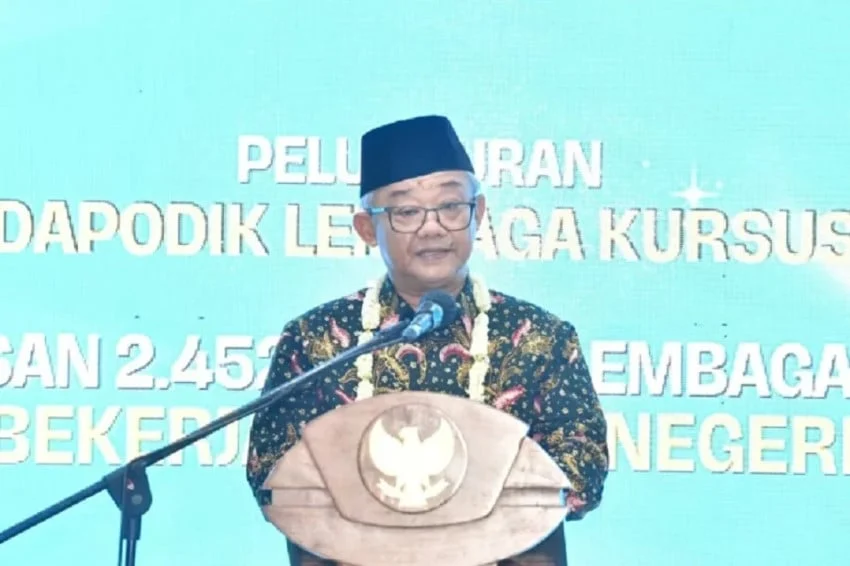
The announcement was made during a pivotal event on Friday, October 30, 2026, which featured the signing of a strategic cooperation agreement between the National Nutrition Agency (BGN) and the Ministry of Primary and Secondary Education. The event also marked the official pilot launch of the MBG local implementation program, signaling a significant step toward the national rollout of the policy.
The Nexus Between Nutrition and Attendance
Minister Abdul Mu’ti emphasized that the correlation between school-based feeding programs and student participation is supported by empirical data. By providing a nutritious meal, schools are effectively lowering the barrier for underprivileged families to send their children to class. The meal acts not only as a physical necessity but as a psychological motivator for students to participate in the school environment.
"There is substantial research indicating a direct link between the provision of free nutritious meals and the rate of student attendance. Many children are now motivated to attend school precisely because they are guaranteed a healthy, nutritious meal," Mu’ti stated.
He drew a compelling parallel to the phenomenon of ‘Jumat Berkah’ (Blessed Friday), a community practice in Indonesia where food is distributed at mosques, often resulting in higher attendance. The critical distinction, Mu’ti noted, is that the MBG program operates on a daily basis, creating a consistent rhythm that encourages long-term habits of attendance among students.
Background and Evolution of the MBG Program
The MBG program was a cornerstone policy proposal that gained traction during the 2024 presidential transition period. Initially conceived as a response to Indonesia’s persistent challenges with stunting and childhood obesity, the program was designed to provide a balanced diet—comprising proteins, carbohydrates, vitamins, and minerals—to students across the archipelago.
The program’s timeline can be traced back to the early planning phases in late 2024, where the government identified that food insecurity was a significant contributor to school dropout rates in rural and underdeveloped regions. Throughout 2025, various pilot projects were conducted in select provinces to test the logistics of procurement, cooking, and distribution.
By 2026, the government began formalizing the institutional framework for the program. The establishment of the National Nutrition Agency (BGN) as an independent body responsible for overseeing the logistics, quality control, and budget management was a crucial development. The October 30, 2026, agreement represents the transition from the pilot phase to a more structured, nationwide systematic implementation.
Economic Implications and Fiscal Efficiency
While the program requires significant capital, the government has been keen to emphasize fiscal responsibility. Recent reports indicate that the National Nutrition Agency has successfully implemented cost-saving measures, resulting in budget efficiencies of up to Rp44 trillion. These savings are attributed to streamlined supply chains, localized sourcing from regional farmers, and reduced overhead costs in distribution.
The strategy of sourcing ingredients locally not only optimizes the budget but also acts as an economic stimulus for local agricultural sectors. By integrating the school meals program with local food production, the government aims to create a sustainable ecosystem where schools and local farmers form a mutually beneficial partnership.
Academic and Social Implications
The implications of increased attendance are far-reaching. Consistent attendance is a primary predictor of academic performance, graduation rates, and long-term socioeconomic mobility. In many areas, students who miss school frequently often fall behind in core competencies such as literacy and numeracy. By utilizing the MBG program as an attendance driver, the Ministry of Primary and Secondary Education is tackling the ‘hidden’ crisis of absenteeism.
Experts in education policy suggest that the program may also mitigate the effects of poverty on classroom dynamics. When students are fed, their cognitive focus improves, and behavioral issues related to hunger—such as irritability and lethargy—are significantly reduced. This creates a more conducive environment for teachers to deliver the curriculum effectively.
Perspectives from Stakeholders
The collaboration between the BGN and the Ministry of Primary and Secondary Education is viewed by many as a model of inter-agency synergy. The BGN focuses on the nutritional integrity and the logistical delivery of the food, while the Ministry of Primary and Secondary Education focuses on the integration of these meals into the school calendar and ensuring that the program reaches the students who need it most.
However, stakeholders also acknowledge the challenges that lie ahead. Implementing such a massive program across Indonesia’s diverse geography—ranging from urban centers to remote, mountainous regions—requires robust infrastructure. Issues such as food safety, consistent quality control, and the management of kitchen facilities at the school level remain high-priority concerns.
Minister Mu’ti acknowledged these challenges, noting that the ongoing pilot tests are designed specifically to identify logistical bottlenecks and refine the operational model. "We are in the process of learning and adapting. The feedback from schools and the performance of our distribution networks during these initial months will be vital in scaling this program safely and effectively," he remarked.
Future Outlook and Scalability
Looking ahead, the success of the MBG program will be measured not only by the number of meals served but by longitudinal data regarding student health markers and academic achievement. If the current trajectory holds, the program could serve as a permanent fixture in the Indonesian education system, potentially transforming the school experience for millions of children.
The government remains committed to a phased expansion. Following the current pilot phase, the next step will involve the integration of specialized nutritional requirements for schools located in regions with specific health profiles, such as those with high rates of stunting or micronutrient deficiencies.
Furthermore, the integration of technology into the monitoring process—such as digital tracking of food deliveries and attendance logging—is expected to increase transparency and accountability. By minimizing the potential for corruption and ensuring that every rupiah is spent on food quality, the government aims to maintain public trust in the program.
Conclusion
The Free Nutritious Meal program is rapidly becoming a cornerstone of Indonesia’s social development agenda. By recognizing that educational success is inseparable from physical well-being, the government is taking a holistic approach to human capital development. The statements by Minister Abdul Mu’ti underscore a shift in policy perception: the MBG is no longer just a welfare program, but a foundational pillar for academic excellence and school engagement.
As the program moves toward full implementation, the alignment of the National Nutrition Agency and the Ministry of Primary and Secondary Education will be critical. The success of this initiative will depend on the government’s ability to maintain the logistical complexity of the program while ensuring that the quality of nutrition remains high. For millions of Indonesian students, the daily school meal may soon become the most significant driver of their success, ensuring they have the physical and mental nourishment required to participate fully in the nation’s future.