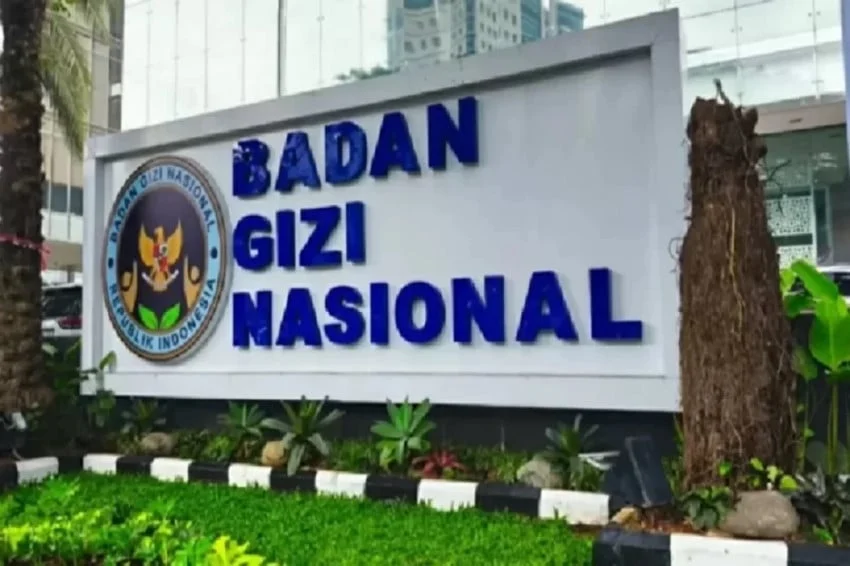
The National Nutrition Agency (Badan Gizi Nasional or BGN) has taken a decisive step to fortify its institutional governance and ensure the uncompromised execution of the flagship Free Nutritious Meal (Makan Bergizi Gratis or MBG) program by integrating two high-ranking officials from the Corruption Eradication Commission (KPK). This strategic move is designed to embed rigorous internal oversight, promote absolute transparency, and establish a robust corruption prevention framework from the ground up as the agency scales its operations nationwide.
The high-profile transition involves two experienced anti-corruption figures: Mungki Hadipratikno, who previously served as the Director of Asset Tracing, Evidence Management, and Execution (Labuksi), and Haerudin, who served as the Head of the KPK Supervisory Board Secretariat. Both officials have been honorably discharged from their respective positions within the anti-corruption agency to assume vital roles within BGN, where they will spearhead compliance, systemic monitoring, and accountability mechanisms for large-scale state expenditures.
Context and Background of the Free Nutritious Meal Program
The Free Nutritious Meal program stands as one of the most ambitious social welfare and human capital development initiatives undertaken by the Indonesian government. Aimed at improving the nutritional intake of school children, toddlers, and pregnant women across the archipelago, the program involves massive logistics, supply chain management, and financial disbursements on an unprecedented scale.
Because billions of rupiah in state funds are channeled directly into procuring ingredients, establishing communal kitchens, and distributing meals, the program has drawn intense public and regulatory scrutiny. Policymakers and civil society organizations alike have stressed that without foolproof internal controls, such massive national budgets remain vulnerable to fiscal leakages, procurement inefficiencies, and corrupt practices.
Recognizing these risks early, the leadership of BGN opted for proactive institutional collaboration rather than waiting for compliance issues to surface. By inviting seasoned anti-corruption practitioners directly into the administrative core of the agency, BGN aims to preemptively close loopholes in procurement, asset management, and operational workflows.
Chronology of Institutional Integration
The placement of KPK personnel within BGN is the culmination of months of inter-agency discussions regarding clean governance and risk mitigation for priority national programs. Planning for structural oversight began as the logistics framework for the MBG program took shape, particularly with the introduction of digitized spending initiatives.
In late 2025, BGN outlined plans to overhaul its supply chain accountability, culminating in announcements regarding the total digitization of spending across all Service Posts for Nutrition Fulfillment (Dapur SPPG) kitchens, slated for implementation by January 2027. To support this technological transition with human oversight, formal administrative channels were cleared for the transfer of Mungki Hadipratikno and Haerudin.
Following official clearances and honorable discharges from the KPK, both officials officially transitioned to BGN. Their arrival marks a critical milestone in institutionalizing graft prevention, moving beyond traditional
passive auditing to active, embedded oversight led by experts with deep investigative and regulatory backgrounds.
Official Statements and Institutional Perspectives
The KPK has expressed strong institutional support for the deployment of its former personnel to BGN. According to KPK Spokesperson Budi Prasetyo, the strategic assignment of these seasoned officials is expected to significantly reinforce BGN’s institutional framework.

"The assignment of KPK personnel to BGN is expected to strengthen institutional capabilities, particularly in building a governance system that is fully grounded in integrity and prioritizes corruption prevention principles," Budi stated. He emphasized that sharing institutional expertise across government bodies is a vital strategy for safeguarding state funds allocated for public welfare.
From the perspective of BGN leadership, securing officials with proven track records in asset tracking, evidence handling, and regulatory compliance provides an immediate shield against administrative malpractice. It signals to both domestic stakeholders and international observers that the execution of the MBG program will be held to the highest standards of financial probity.
Implications and Broader Impact on Public Sector Governance
The secondment of anti-corruption experts to a civilian implementation agency represents an evolving paradigm in Indonesian public administration. Traditionally, anti-corruption bodies operate purely in an ex-post capacity—investigating and prosecuting offenses after they have occurred. However, modern governance models increasingly favor ex-ante interventions, where compliance and oversight mechanisms are built directly into the operational DNA of high-spending agencies from inception.
This integration carries several profound implications for the success of the BGN and the broader socio-economic landscape:
-
Enhanced Investor and Public Trust: Transparent execution of the MBG program alleviates public concerns regarding the misuse of state funds. When citizens see that former anti-corruption investigators are managing internal controls, confidence in the equitable distribution of nutritional aid rises significantly.
-
Prevention of Systemic Fraud: With Mungki Hadipratikno’s extensive background in asset tracking and Haerudin’s experience in supervisory administration, BGN is uniquely positioned to identify vulnerabilities in vendor selection, inventory tracking, and financial reporting before they manifest as criminal offenses.
-
Setting a Precedent for Inter-Agency Cooperation: The successful transfer of high-level civil servants between the KPK and programmatic agencies like BGN sets a constructive precedent for future cross-sectoral anti-corruption initiatives. It demonstrates that transparency can be structurally engineered rather than merely enforced through external audits.
-
Alignment with Technological Modernization: As BGN prepares for the comprehensive digital transformation of its procurement and kitchen spending by January 2027, the dual oversight of technical data systems and administrative compliance ensures that digitalization efforts are secure against cyber fraud and manipulation.
Challenges Ahead for BGN Oversight
Despite the optimistic outlook, the newly appointed officials face substantial logistical and administrative challenges. Managing oversight for a nationwide nutritional distribution network that spans diverse geographical terrains, varying local supply chains thousands of islands apart, and millions of beneficiaries is an immense task.
Furthermore, integrating anti-corruption protocols into fast-paced operational environments requires delicate balancing. Oversight mechanisms must be rigorous enough to deter illicit behavior without creating bureaucratic bottlenecks that could slow down the timely delivery of meals to school children and vulnerable populations.
Nevertheless, the proactive inclusion of experienced regulatory minds suggests that BGN is fully aware of these operational tightropes. By prioritizing structural integrity alongside rapid nationwide expansion, the agency aims to deliver not only nutritional health to the nation’s youth but also a benchmark for clean, accountable public administration in contemporary governance.