The Jakarta Fashion Week (JFW) 2027, held at the prestigious City Hall within Pondok Indah Mall 3, Jakarta, served as the epicenter of Indonesia’s fashion innovation on Tuesday, October 27, 2026. As part of the grand theme "City of New Lights," the runway witnessed a poignant and highly anticipated collaboration titled "Culture/Nature." This showcase featured two of Indonesia’s most distinct design houses: Sejauh Mata Memandang, led by Chitra Subyakto, and DARRA Lurik by Oscar Lawalata Culture. While both labels share a deep reverence for the environment and traditional craftsmanship, their aesthetic interpretations provided a profound dialogue between modern ecological anxiety and the enduring precision of traditional textiles.
A Convergence of Artistic Perspectives
The "Dewi Luxe Market Culture/Nature" show was not merely a display of garments; it was a curated narrative regarding the delicate equilibrium between human intervention and the natural world. Since its inception in 2008, Jakarta Fashion Week has functioned as the primary platform for Indonesian designers to project local identity onto the global stage. The 2027 edition, in particular, emphasized sustainability and the integration of technology with traditional techniques, a trend that was clearly evident in the collaborative runway.
Sejauh Mata Memandang, a brand established in 2014 known for its textile-centric philosophy, utilized the runway to address the alarming realities of climate change, specifically the recurring devastation caused by forest and land fires (karhutla) in Indonesia. Conversely, DARRA, the latest evolution of Asha Smara Darra—formerly known as Oscar Lawalata—focused on the structural elegance of Indonesian heritage fabrics, specifically the intricate geometry of Lurik, batik, and songket, reimagined for a contemporary silhouette.
The Ecological Narrative of Sejauh Mata Memandang
The presentation by Sejauh Mata Memandang was a masterclass in atmospheric storytelling. As the lights dimmed, the opening notes of Aria Ardikoesoema’s "Melaut" filled the venue, setting a somber, contemplative tone. The collection showcased a series of fluid, oversized silhouettes that emphasized comfort and ease. The color palette transitioned from pristine whites, ivories, and soft creams to deeper, more evocative tones of slate blue, charcoal, and, eventually, a searing, aggressive red.
The most striking feature of the collection was the deliberate use of cat motifs, which appeared across various pieces, juxtaposed against geometric patterns. The inclusion of cat-themed accessories, such as plush yellow dolls with pointed ears, injected a touch of whimsy that stood in sharp contrast to the underlying environmental theme.
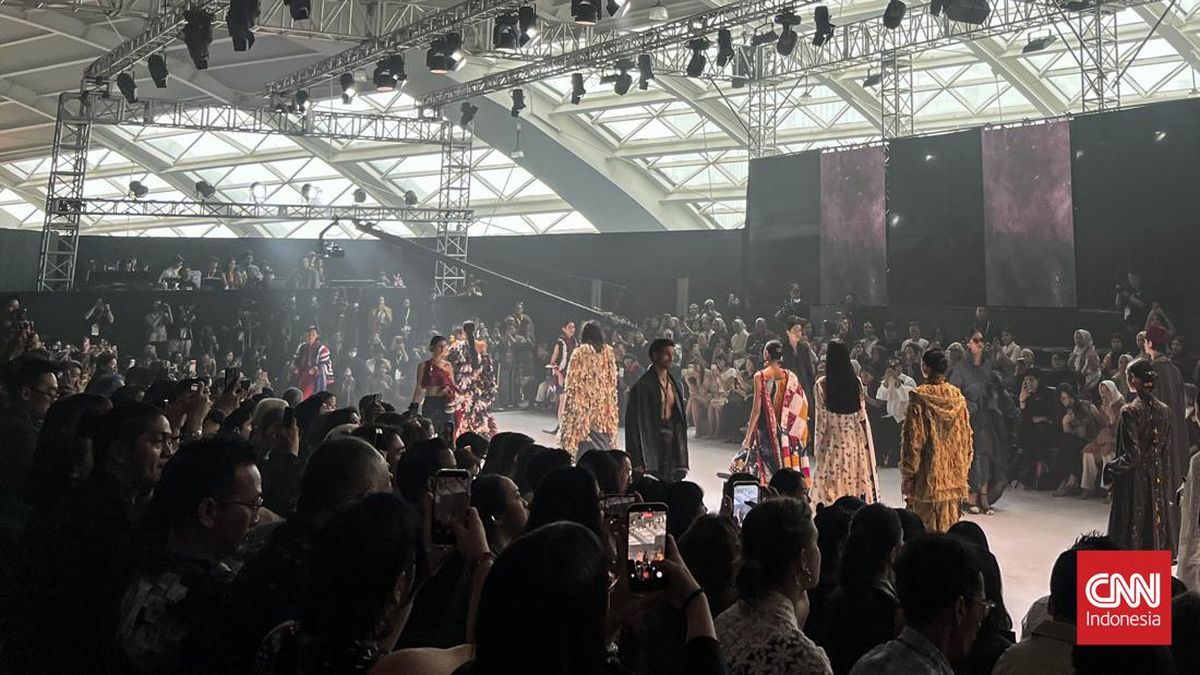
The stage design was integral to the show’s impact. The backdrop screens transitioned from soft, ethereal clouds to dark, suffocating plumes of smoke. As the music reached its crescendo, the visual shifted into a stark, visceral display of glowing embers and roaring flames. This transition was a direct, albeit artistic, commentary on the forest fires that plague Indonesia’s biodiversity. By contrasting these "burning" visuals with the models’ soft, white, and airy clothing, the brand highlighted the vulnerability of the environment in the face of human-driven catastrophe. The finale, set to the traditional rhythms of "Aksi Kucing"—incorporating the sounds of Gambang Semarang and Betawi Gambang Kromong—provided a culturally grounded conclusion to an otherwise sobering environmental warning.
DARRA Lurik: The Architecture of Tradition
Following the emotional intensity of the first segment, DARRA by Oscar Lawalata Culture offered a shift toward architectural precision and textile mastery. Asha Smara Darra’s work has long been synonymous with the elevation of traditional fabrics. In this collection, the focus was squarely on the structural potential of the Lurik weave.
The collection utilized a rigorous display of horizontal, vertical, and diagonal lines, with varying degrees of thickness creating a sense of rhythm and movement. The color story was grounded in sophisticated neutrals—cram, brown, charcoal, and ash—interspersed with deep, oceanic blues. The collection’s strength lay in its versatility, featuring everything from knee-length tunics to flowing, ankle-grazing outer garments.
A standout element of the DARRA collection was the meticulous use of headgear. The models donned hoods and structured hats that mirrored the motifs of their outfits, creating a cohesive, almost ceremonial look. This "total look" approach, where the garment and accessory become one singular visual statement, showcased a high level of tailoring sophistication. Unlike the narrative-driven approach of Sejauh Mata Memandang, DARRA’s collection was an exercise in pure design consistency, proving that traditional Indonesian fabrics can be adapted into modern, high-fashion silhouettes without losing their original identity.
Industry Implications and Context
The "Culture/Nature" collaboration underscores a broader shift in the Indonesian fashion industry. In recent years, consumers have shifted their preferences toward "slow fashion"—garments that are ethically produced and carry a message or a story. According to recent market analysis in the Southeast Asian fashion sector, the demand for locally sourced, sustainable materials has grown by approximately 15% annually since 2024.
The use of traditional textiles like Lurik is no longer viewed as a nostalgic practice but as a strategic business decision that appeals to both domestic and international markets seeking authenticity. Furthermore, the explicit inclusion of climate activism in a fashion runway signals that Indonesian designers are no longer content with being "apolitical" or purely aesthetic. They are utilizing their platforms to address critical social and environmental issues, such as the haze crisis caused by land clearing.
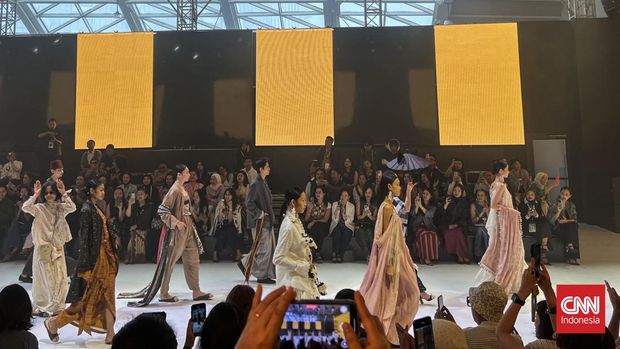
Industry experts attending the event noted that the synergy between these two labels represents the "new face" of Indonesian fashion: one that is deeply rooted in local wisdom yet cognizant of the global climate crisis. By merging the narrative-heavy approach of Sejauh Mata Memandang with the textile-heavy focus of DARRA, the show effectively communicated that fashion can serve as both a medium for cultural preservation and a tool for social advocacy.
Looking Ahead: The Future of JFW
The JFW 2027 event serves as a bellwether for the upcoming year in Indonesian style. As the city of Jakarta continues to evolve, the fashion industry is clearly positioning itself as a leader in the "City of New Lights" narrative—a metaphor for innovation, transparency, and a renewed focus on the environment.
The success of the "Culture/Nature" show highlights the importance of collaboration over competition. By sharing a single runway, these two distinct brands were able to offer a comprehensive experience that resonated with the audience on multiple levels: visual, emotional, and intellectual. As the industry moves toward 2028, the influence of these collections—characterized by their commitment to sustainable production, traditional material usage, and bold thematic storytelling—will likely set the standard for high-end fashion across the archipelago.
Ultimately, the event at PIM 3 was a testament to the fact that Indonesian fashion has come of age. It has moved beyond simple trend-following to a space where design houses act as cultural commentators, using the runway to ensure that the urgent issues of our time—whether they be the plight of our forests or the survival of our weaving traditions—are never truly out of sight. Through the juxtaposition of the cat-motif whimsy against the backdrop of forest fires, and the intricate geometry of Lurik against the fluidity of modern silhouettes, the JFW 2027 runway proved that fashion is, and will always be, a mirror of the world we live in.