The Indonesian government has rolled out the structural framework for the Bantuan Subsidi Upah (BSU) wage subsidy program for 2026, aimed at bolstering the purchasing power of formal-sector workers amidst ongoing economic fluctuations. Designed as a targeted social protection measure, the program allocates a total of Rp900,000 to each eligible worker, disbursed in monthly increments of Rp300,000 accumulated over the final quarter of the year. While anticipation surrounding the financial assistance remains high across the labor force, policymakers, labor economists, and the Ministry of Manpower have repeatedly emphasized that the distribution is subject to rigorous administrative verification, strict qualifying criteria, and standardized banking channels. Understanding the structural mechanics of the program—spanning from the initial eligibility verification to secure cash withdrawal and fraud mitigation—is essential for workers seeking to navigate the disbursement process safely and effectively.
Background Context and Economic Rationale of the 2026 BSU Initiative
Social protection interventions targeting the labor market have long served as a crucial fiscal tool for the Indonesian government. The BSU program, initially scaled up significantly during the post-pandemic recovery years, has evolved into a strategic buffer against inflationary pressures and shifts in the cost of living. In crafting the 2026 fiscal policy, economic architects within the administration recognized that lower-middle-income formal wage earners remain vulnerable to macroeconomic headwinds, despite broader national economic growth.
According to policy briefings released in late 2025 and early 2026, the primary objective of the BSU is to maintain household consumption levels, which historically drive a substantial portion of Indonesia’s gross domestic product. By injecting direct liquidity into the hands of eligible workers earning at or below regional minimum wage thresholds, the government aims to stimulate domestic demand while simultaneously providing direct relief to families. The legal foundation for the 2026 implementation is anchored in the Regulation of the Minister of Manpower (Permenaker) Number 16 of 2026, which outlines the comprehensive administrative guidelines, eligibility parameters, and disbursement protocols governing the subsidy.
Timeline, Payout Schedule, and Administrative Milestones
The timeline for the 2026 BSU distribution has been structured to occur during the final quarter of the fiscal year, specifically addressing the months of October, November, and December 2026. Rather than executing monthly transfers, the Ministry of Manpower has established that the assistance will be disbursed in a lump sum or simultaneous block covering the three-month accumulation period, with scheduled execution slated for November through December 2026.
However, the announcement of this disbursement window has prompted widespread confusion among workers who mistakenly assume that funds will automatically appear in their accounts on the very first day of the schedule. Government officials, including Coordinating Minister for Economic Affairs Airlangga Hartarto and Minister of Manpower representatives, have repeatedly clarified that the payout timeline is contingent upon ongoing administrative processing at the Ministry of Finance and rigorous cross-verification of data.
Chronologically, the administrative rollout follows a precise sequence:
- Data Synchronization: The Social Security Agency for Employment (BPJS Ketenagakerjaan) compiles and cleanses active participant databases up to the stipulated cutoff of August 2026.
- Inter-Agency Review: The compiled data undergoes cross-referencing with other social assistance registries, such as the Family Hope Program (PKH) and civil servant databases, to prevent duplication and ensure prioritization.
- Budgetary Clearance: The Ministry of Finance processes the fiscal disbursement allocations, ensuring that treasury funds are securely transferred to authorized distribution channels.
- Phased Disbursement: State-owned banks (Himbara) and PT Pos Indonesia execute the actual transfers in batches, meaning individual account crediting occurs progressively rather than instantaneously for all recipients.
Strict Criteria and Eligibility Requirements for the Rp900,000 Subsidy
A common misconception among the labor force is that any registered employee is automatically entitled to the Rp900,000 payout. In reality, the allocation framework enforces strict qualifying boundaries to ensure fiscal responsibility and target assistance precisely to those who need it most. To qualify for the 2026 BSU, a worker must satisfy all five of the following statutory criteria:
First, the applicant must be an Indonesian Citizen (WNI) possessing a valid National Identification Number (NIK) recorded in the national civil registry. Second, the individual must be registered as an active participant in the BPJS Ketenagakerjaan wage-earner category (Penerima Upah – PU) with active status maintained through August 2026. This requirement underscores the importance of corporate compliance; companies that fail to report accurate employee data or delay contribution payments inadvertently jeopardize their workers’ eligibility.
Third, the recipient’s monthly wage or salary must not exceed Rp3.5 million, or alternatively, must align with the local regional minimum wage if the prevailing local minimum wage exceeds the national baseline. Fourth, the program operates on a prioritization principle, prioritizing workers who are not simultaneously receiving concurrent benefits from the Family Hope Program (PKH) during the designated pre-disbursement period, thereby ensuring a wider distribution of state safety net resources. Fifth, civil servants (ASN), military personnel (TNI), and police officers (Polri) are categorically excluded from the program, as their compensation structures are managed under separate state budgetary frameworks.
Step-by-Step Guide to Verifying Status and Withdrawing Funds Through Bank Channels
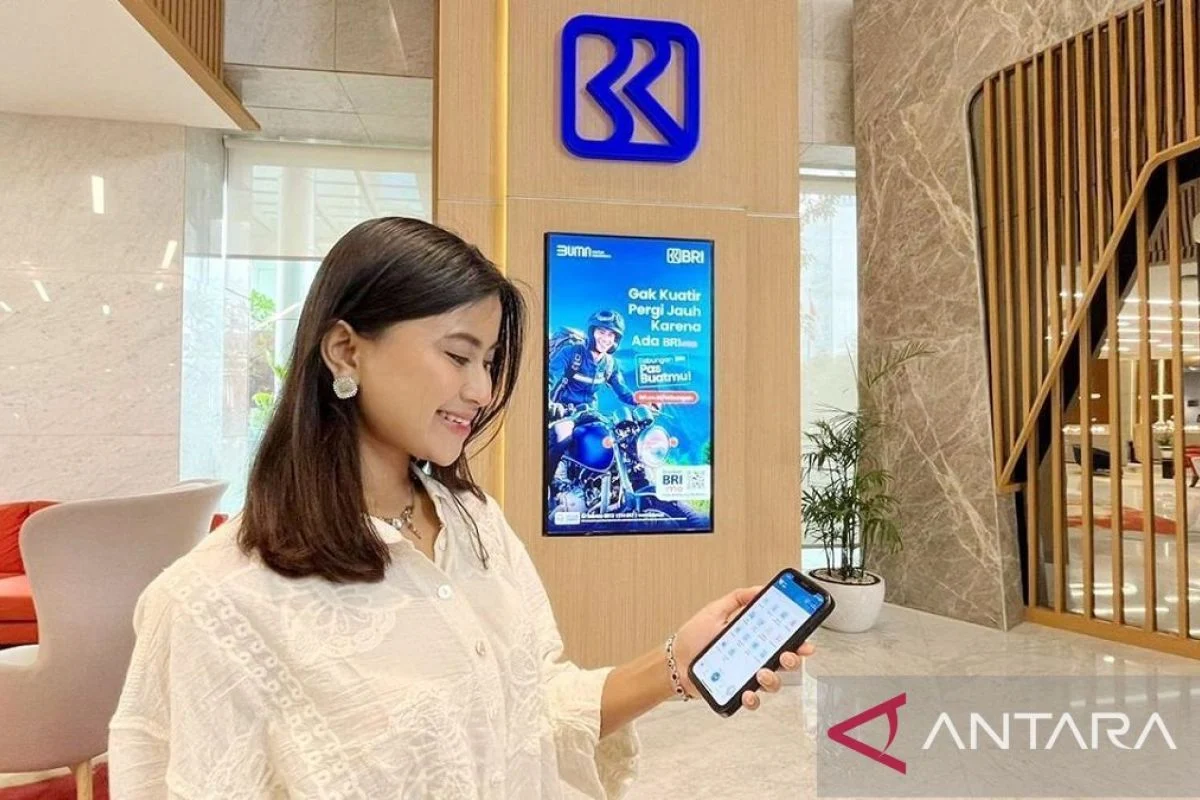
For workers who successfully clear the verification stage, the government has established secure channels for fund disbursement via the state-owned banking network—collectively known as Himbara—alongside regional and specialized institutions. The designated partner banks comprise Bank Rakyat Indonesia (BRI), Bank Negara Indonesia (BNI), Bank Mandiri, Bank Tabungan Negara (BTN), and Bank Syariah Indonesia (BSI).
Navigating the withdrawal process requires careful adherence to procedural steps to avoid administrative bottlenecks:
-
Verifying Recipient Status
Before attempting any withdrawal, workers must verify whether their name and NIK have been officially registered as approved beneficiaries. Official status checks should be conducted exclusively through the Ministry of Manpower’s designated portal at bsu.kemnaker.go.id. Officials have cautioned workers against utilizing unverified third-party links, mirror sites, or unofficial applications circulating on social media, which often serve as phishing vectors. -
Inspecting Bank Account Credentials
Recipients must ensure that the bank account registered under their name matches the designated channeling banks and remains active. Inactive accounts, frozen balances, or mismatched identification data can cause systemic transaction rejections, delaying the receipt of funds. -
Monitoring Balances via Digital Channels
Once the disbursement phase reaches a worker’s specific employment batch, balances can be monitored remotely using mobile banking applications, SMS banking, or by checking transaction histories (mutasi rekening) to confirm that the full Rp900,000 has been successfully credited. -
Cash Withdrawal via ATM Networks
For those opting to withdraw physical cash, visiting an ATM belonging to the respective channeling bank is the most direct route. Standard procedures apply: inserting the debit card, entering the PIN, selecting cash withdrawal, entering the desired nominal amount, verifying transaction details, and collecting both the cash and the card. -
Over-the-Counter Transactions at Bank Tellers
Alternatively, beneficiaries may visit a local branch office of the channeling bank. This option is particularly useful for individuals encountering technical difficulties with ATM cards. Customers are advised to bring mandatory identification documents, including their original KTP, ATM card, and savings passbook. It is vital to note, however, that bank tellers cannot manually disburse funds if the electronic transfer from the government has not yet posted to the individual’s account.
Alternative Disbursement Pathways via PT Pos Indonesia
Recognizing that not all eligible workers maintain active accounts with the designated Himbara banking network, the government has designated PT Pos Indonesia as an official supplementary disbursement channel. Workers who do not possess a commercial bank account or whose accounts cannot be processed through standard electronic transfers will be accommodated through postal service outlets.
Under this framework, eligible individuals must monitor official announcements regarding specific collection schedules and designated post office locations. Beneficiaries utilizing this pathway must present their original KTP and any required verification documents issued by the manpower office. Coordinating closely with local company human resources departments or regional manpower offices is strongly recommended for workers assigned to the postal collection route to ensure timely and orderly processing.
Mitigating Fraud Risks and Avoiding Scams Targeting BSU Applicants
The high public interest surrounding social assistance programs invariably attracts malicious actors seeking to exploit economic anxiety. Throughout previous and current BSU cycles, cybercriminals and fraudulent syndicates have deployed various social engineering tactics, including phishing links distributed via WhatsApp, SMS, and social media platforms, promising instant cash payouts or expedited verification.
Common fraudulent modes of operation include:
- Fake Registration Portals: Directing users to lookalike websites designed to harvest sensitive personal data, such as NIK, full names, and mother’s maiden names.
- OTP and PIN Theft: Tricking applicants into revealing One-Time Passwords (OTPs), mobile banking passwords, or ATM PINs under the guise of "account activation."
- Administrative Fee Extortion: Demanding upfront administrative fees, deposits, or service charges to "speed up" the disbursement of the Rp900,000 subsidy.
The Ministry of Manpower has repeatedly issued firm warnings that legitimate BSU disbursements never require any form of financial payment, administrative fee, or deposit. Furthermore, official state entities will never request confidential banking credentials such as PINs or OTPs. Workers are strongly urged to cross-reference all announcements exclusively through official government communication channels and to report suspicious activities to relevant cybercrime authorities.
Implications and Broader Economic Analysis
The structured rollout of the 2026 BSU program underscores the state’s continued commitment to maintaining social safety nets during transitional economic periods. By targeting formal workers earning below the minimum wage threshold, the policy acts as a stabilizing anchor for domestic consumption. Labor market analysts note that while a one-time accumulated subsidy of Rp900,000 does not completely insulate households from broader inflationary pressures, it provides crucial short-term liquidity that mitigates immediate financial distress.
At the same time, the stringent verification protocols implemented for 2026 reflect a concerted effort to enhance fiscal transparency and program efficiency, minimizing leakage and administrative error. Ensuring that data synchronization between BPJS Ketenagakerjaan, the Ministry of Finance, and banking partners operates seamlessly remains the ultimate determinant of the program’s success. As the administrative processes reach their final stages at the Ministry of Finance and execution timelines approach, vigilant adherence to official channels by the workforce will remain the key to a transparent, secure, and successful distribution of the wage subsidy.