The ongoing discourse surrounding the imposition of Value Added Tax (VAT) on menstrual products in Indonesia has reached the halls of the House of Representatives (DPR RI), with legislator Selly Andriany Gantina of the Indonesian Democratic Party of Struggle (PDIP) leading a campaign to reclassify these items as essential goods. The debate centers on whether the current fiscal policy, which treats sanitary pads and tampons as general consumer goods, fails to account for the biological necessity of menstruation and the resulting economic burden placed upon women, particularly those in lower-income brackets.
The Biological Imperative vs. Fiscal Policy
At the heart of the controversy is the definition of "essential needs." While the Ministry of Finance maintains a broad-based VAT system—currently set at 11 percent in Indonesia—designed to capture revenue from all non-exempt goods, proponents of the tax exemption argue that menstruation is a physiological process, not a consumer choice.
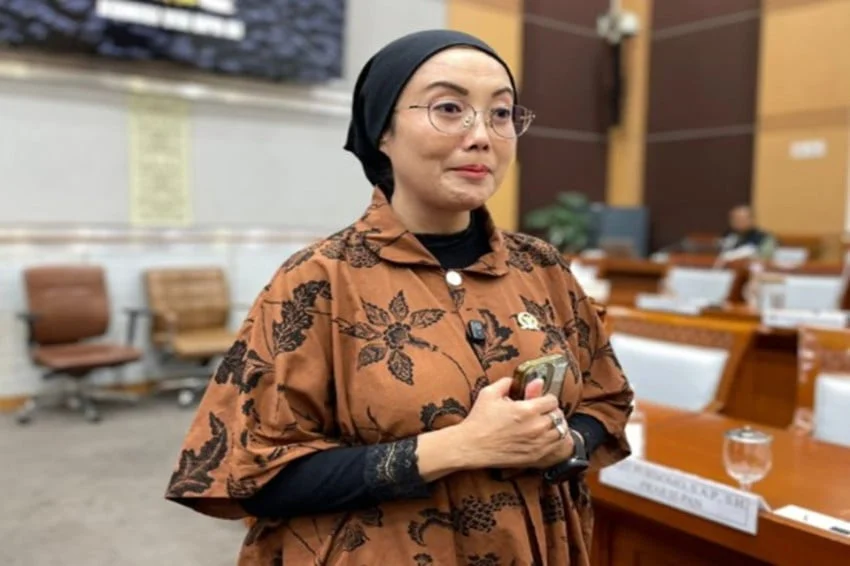
Selly Andriany Gantina, representing the West Java VIII electoral district, emphasizes that menstruation is an unavoidable biological cycle. By taxing products required for hygiene and health during this period, the state effectively levies a "tax on biology." According to Selly, the current administrative approach ignores the fundamental principle of gender equity. "Menstruation is not a lifestyle choice, nor is it a luxury that can be deferred," she stated during a parliamentary session on November 3, 2026. Under the mandate of DPR Speaker Puan Maharani, Selly has urged the government to view menstrual hygiene products as vital health necessities rather than taxable retail commodities.
Historical Context and the Global "Pink Tax" Debate
The protest against the taxation of menstrual products is not unique to Indonesia; it is part of a global movement known as the "Axe the Pink Tax" initiative. Across the world, advocacy groups have long argued that the additional costs imposed on women for gender-specific products—ranging from razors to hygiene supplies—create an unfair economic disadvantage.
In the Indonesian context, the discussion gained momentum following similar protests from various factions, including members of the National Awakening Party (PKB), who have publicly challenged the classification of these items. Historically, many governments have viewed hygiene products through the lens of retail commerce. However, over the past decade, countries like Canada, Australia, India, and several nations in the European Union have either eliminated or significantly reduced VAT on menstrual products, recognizing them as essential for public health.
The Economic Impact on Vulnerable Populations
A critical component of the debate involves the socioeconomic impact of VAT on marginalized communities. For households living at or near the poverty line, the cost of menstrual products represents a significant portion of monthly discretionary income.
Economic analysts note that because the demand for menstrual products is "inelastic"—meaning consumers must purchase them regardless of price fluctuations—the tax burden falls disproportionately on the end user. When prices rise due to VAT, low-income women may be forced to resort to unsafe alternatives, such as using rags, tissues, or extending the use of a single pad beyond recommended timeframes. This practice leads to severe health risks, including bacterial infections, reproductive tract issues, and diminished quality of life.
Data from the World Bank and various health organizations suggests that lack of access to affordable menstrual hygiene management (MHM) is a major contributor to school absenteeism among adolescent girls and workplace productivity losses for women. By removing the VAT, proponents argue that the state would not only be providing a fiscal relief but also investing in the long-term health and education outcomes of the nation’s female population.
Government Response and Official Stance
The Ministry of Women’s Empowerment and Child Protection (KemenPPPA) has signaled an understanding of these concerns. In recent statements, ministry officials have acknowledged that menstrual hygiene is a fundamental component of women’s health. The Ministry has emphasized the necessity of ensuring that all women, regardless of geographic location or income level, have access to safe and affordable sanitary products.
However, the Ministry of Finance, which oversees the implementation of the VAT law, faces the challenge of balancing fiscal revenue targets with social welfare demands. The current tax law relies on a comprehensive base to fund national development projects. Reclassifying menstrual products as "non-taxable" or "zero-rated" would require a legislative amendment to the Law on Harmonization of Tax Regulations (HPP).
Legislative Challenges and Potential Pathways
For the proposal by Selly Andriany Gantina and her colleagues to move forward, it must transition from a policy recommendation to a formal legislative amendment. The process involves several complex steps:
- Drafting and Review: The Commission VIII of the DPR, which handles social and religious affairs, must draft a formal recommendation to the Commission XI (Finance and Banking) and the Ministry of Finance.
- Economic Impact Assessment: The government would likely commission a study to estimate the potential loss of state revenue resulting from the exemption.
- Broadening the Scope: Lawmakers must define the specific categories of products that would qualify for the exemption to prevent abuse of the tax policy.
- Legislative Approval: The amendment would require a consensus between the DPR and the executive branch.
Political observers note that the alignment of interests between the PDIP, which holds a significant influence in the House, and the Ministry of Women’s Empowerment, creates a viable path for the policy to be considered in the upcoming fiscal budget cycles.
Broader Societal Implications
Beyond the immediate economic relief, the move to abolish the "tampon tax" carries symbolic weight. It signals a shift toward a more gender-responsive governance model in Indonesia. When a state acknowledges the unique biological requirements of its citizens, it fosters a higher level of trust in government institutions.
Furthermore, the focus on hygiene products brings attention to the "Period Poverty" crisis, which remains largely under-discussed in formal political circles. By bringing this issue into the light, representatives like Selly are forcing a conversation about reproductive health as a matter of public policy rather than a private, individual struggle.
Looking Ahead
The path to tax-free menstrual products in Indonesia is likely to be met with rigorous debate. Critics of the proposal might argue that removing VAT from one category of goods could create a precedent for other essential goods, potentially eroding the national tax base. However, proponents remain steadfast. They argue that the state’s primary duty is the protection of its citizens’ health and dignity.
As the debate continues, the focus will likely shift to the specific mechanism of the tax relief. Some have proposed a subsidy model instead of a tax exemption, where the government provides vouchers for low-income families to purchase sanitary supplies. Others continue to push for a total VAT exemption, citing the simplicity of the tax-cut model.
For now, the discussion serves as a litmus test for the government’s commitment to gender equality. The resolution of this issue will serve as an indicator of how Indonesia balances its fiscal objectives with the evolving demands for social justice and equitable access to essential healthcare. Whether the state chooses to prioritize tax revenue or the health of its female citizens remains a decision that will be watched closely by civil society organizations, health advocates, and millions of women across the archipelago.
In the coming months, the DPR is expected to conduct further hearings, inviting experts in public health, gender studies, and economics to provide data-driven testimony. This process will be essential in shaping a policy that is not only equitable but also fiscally sustainable for the long term. The conversation has effectively moved beyond the administrative desk; it is now a matter of national policy, highlighting the ongoing evolution of Indonesia’s social welfare framework in the 21st century.