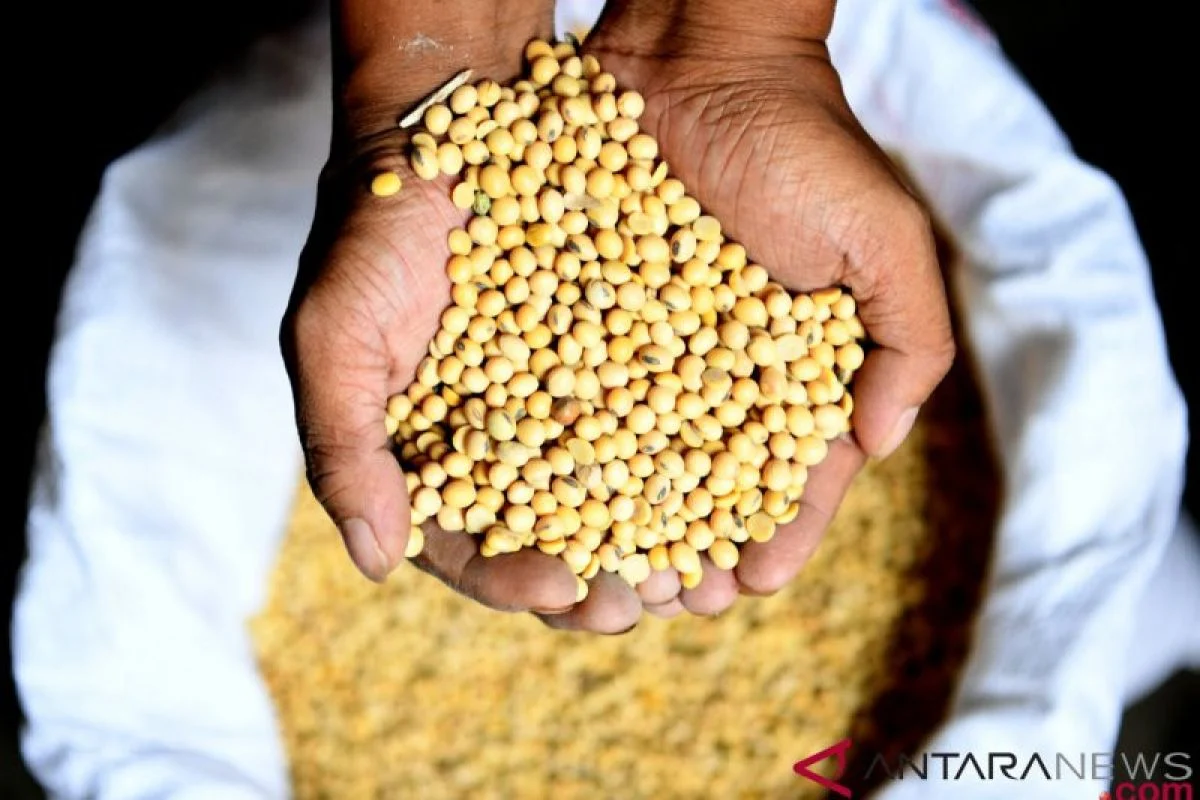
Jakarta (ANTARA) – Plant-based beverage alternatives have experienced a profound surge in global popularity over the past decade, driven by shifting consumer preferences toward sustainable diets, rising rates of lactose intolerance, and an increased awareness of preventive health management. Among the spectrum of dairy substitutes available on the commercial market, soybean milk—commonly referred to simply as soy milk—stands out as one of the most historically established, economically accessible, and nutritionally robust options. Derived from the extraction of nutrients from whole soybeans through a meticulous process of soaking, grinding, boiling, and straining, this traditional beverage has transitioned from a localized dietary staple in East Asian cultures to a ubiquitous global commodity found in supermarkets and coffee shops worldwide.
As modern consumers increasingly scrutinize their dietary intake for optimal health outcomes, nutritional scientists, dietitians, and public health advocates continue to evaluate the physiological impacts of regular soy consumption. While initial market adaptations of soy milk were primarily targeted at individuals with specific medical conditions such as cow’s milk allergies or lactose intolerance, contemporary nutritional paradigms recognize the beverage as a dense package of essential macronutrients, micronutrients, and bioactive plant compounds. This comprehensive evaluation explores the intricate nutritional composition of soy milk, its substantiated health benefits, the historical and industrial context of its production, the implications of its consumption across various demographics, and expert-backed guidance on selecting high-quality products in an increasingly crowded commercial landscape.
Historical Context, Production Evolution, and Industrial Processing
The origins of soybean milk are deeply rooted in ancient agricultural traditions, with historical accounts tracing its invention back to ancient China during the Han Dynasty, roughly around the second century BCE. Legend attributes its creation to Liu An, a Han dynasty prince seeking a nutritious, easily digestible elixir for his ailing mother. From these rudimentary beginnings of grinding soaked soybeans with millstones and boiling the resultant slurry, the production of soy milk evolved into a household culinary practice across China, Japan, and other parts of Asia.
Industrialization transformed soy milk from a laborious domestic task into a standardized, mass-produced commercial enterprise. In the mid-to-late 20th century, food scientists and agricultural engineers refined the processing techniques to improve flavor profiles, extend shelf life, and enhance nutrient retention. Modern commercial production involves rigorous quality control of raw soybeans, precise thermal treatments to deactivate anti-nutritional factors—such as trypsin inhibitors naturally present in raw legumes—and homogenization to ensure a smooth, stable emulsion that mimics the physical texture of bovine milk. Furthermore, the advent of food fortification technology allowed manufacturers to bridge nutritional gaps between plant-based and animal-based milks, introducing exogenous vitamins and minerals to align soy milk profiles with the dietary requirements of diverse populations.
Detailed Nutritional Composition of Soybean Milk
Understanding the physiological impact of soy milk requires a detailed examination of its biochemical makeup. Naturally, a standard 240-milliliter (one cup) serving of unsweetened, unfortified commercial soy milk contains an impressive array of macro- and micronutrients. The caloric value typically hovers between 80 to 100 calories, primarily derived from a balanced ratio of protein, complex carbohydrates, and healthy fats.
Protein content is arguably the most notable nutritional attribute of soy milk. A standard single-serving delivers approximately 7 to 8 grams of high-quality protein, placing it on par with cow’s milk and significantly outperforming other popular plant-based alternatives such as almond, rice, and coconut milks, which are naturally sparse in protein. Crucially, soy protein is classified as a "complete" protein, meaning it supplies all nine essential amino acids that the human body cannot synthesize independently. These amino acids are vital for cellular repair, enzymatic synthesis, immune function, and the maintenance of skeletal muscle mass.
The lipid profile of soy milk is equally favorable. It is naturally low in saturated fats and entirely free of dietary cholesterol. The fats present are predominantly polyunsaturated and monounsaturated fatty acids, including essential omega-6 and omega-3 fatty acids, which contribute to cellular membrane integrity and metabolic regulation. Carbohydrates in soy milk consist of soluble and insoluble fibers, along with natural sugars (primarily sucrose, stachyose, and raffinose), though processing often removes the bulk of insoluble fiber.
Beyond macronutrients, soy milk serves as a valuable source of essential minerals, including potassium for electrolytic balance and blood pressure regulation, magnesium for neuromuscular function, and phosphorus for bone mineralization. It also provides a spectrum of B-complex vitamins, which are crucial for energy metabolism and neurological health.
To maximize the public health utility of plant-based beverages, many modern brands fortify their products. Fortified soy milk is routinely augmented with calcium—often matching or exceeding the calcium content of dairy milk—alongside vitamin D3 or D2 to facilitate optimal calcium absorption. Additionally, manufacturers frequently fortify soy beverages with vitamin B12, a nutrient inherently absent in unfermented plant foods, thus safeguarding vegans and vegetarians from deficiency-related neuropathies and megaloblastic anemia.
Bioactive Compounds: The Role of Isoflavones
A distinguishing characteristic of soybean-derived products is the presence of isoflavones, a subclass of flavonoids known as phytoestrogens. Compounds such as genistein, daidzein, and glycitein possess a chemical structure remarkably similar to human 17-beta-estradiol, albeit with a significantly weaker estrogenic potency. These bioactive molecules can bind to estrogen receptors in the human body, exerting weak estrogenic or anti-estrogenic effects depending on the target tissue and endogenous hormone levels.
The presence of isoflavones has historically sparked scientific interest and occasional consumer debate regarding hormonal health. However, extensive clinical research compiled by nutrition and endocrinology experts indicates that dietary intake of soy isoflavones within normal culinary or supplemental ranges does not adversely disrupt endocrine function in healthy men or women. Instead, these naturally occurring antioxidants are actively investigated for their potential systemic benefits, including cellular protection against oxidative stress, mitigation of inflammatory pathways, and modulation of chronic disease risks.
Substantiated Health Benefits and Clinical Implications
Public health research underscores several key physiological benefits associated with the regular, moderate consumption of soy milk as part of a balanced diet.
1. Cardiovascular Health and Lipid Modulation
One of the most extensively documented benefits of soy protein is its association with cardiovascular health. Regulatory bodies, including the United States Food and Drug Administration (FDA), have historically recognized that incorporating 25 grams of soy protein daily as part of a diet low in saturated fat and cholesterol may help reduce the risk of heart disease. Clinical trials demonstrate that substituting animal proteins high in saturated fat with soy protein can lead to modest yet clinically meaningful reductions in total cholesterol and low-density lipoprotein (LDL) cholesterol—commonly referred to as "bad" cholesterol. The combination of unsaturated fatty acids, low saturated fat content, soluble fibers, and bioactive peptides in soy works synergistically to support endothelial function and maintain healthy arterial stiffness levels.
2. Bone Mineral Density and Skeletal Integrity
Skeletal health relies heavily on an adequate lifetime intake of calcium, vitamin D, and high-quality protein. While cow’s milk has long been the cultural cornerstone of bone health campaigns, fortified soy milk offers a bioequivalent alternative for individuals who avoid dairy. The supplemental calcium present in fortified soy beverages supports the structural matrix of bones, while vitamin D ensures efficient intestinal absorption of this mineral. Furthermore, some emerging studies suggest that soy isoflavones may play a supportive role in mitigating bone turnover rates in postmenopausal women, though further large-scale clinical trials are required to establish definitive therapeutic guidelines.
3. Symptom Management During Menopause
Menopause is frequently accompanied by vasomotor symptoms, most notably sudden sensations of intense heat known as hot flashes, alongside night sweats and mood fluctuations. These symptoms are primarily triggered by declining endogenous estrogen levels. Because soy isoflavones act as weak phytoestrogens, researchers have long hypothesized that they might cushion the hormonal transition. Epidemiological observations initially noted that women in Asian populations, who consume traditional soy-rich diets, report significantly lower incidences of menopausal hot flashes compared to their Western counterparts. Subsequent clinical interventions have shown that soy protein and isoflavone extracts can offer moderate relief for some women experiencing vasomotor symptoms, though individual responses vary significantly based on gut microbial metabolism—specifically the capacity of an individual’s microbiome to convert daidzein into equol, a more potent bioactive metabolite.
4. Safe Nutritional Alternative for Lactose Intolerance and Dairy Allergies
Lactose intolerance, caused by a deficiency in the lactase enzyme required to break down the sugar found in mammalian milk, affects a vast majority of the global adult population, with varying prevalence across different ethnic groups. Symptoms such as osmotic diarrhea, abdominal distension, excessive flatulence, and cramping make the consumption of standard dairy distressing. Because soy milk is inherently lactose-free, it provides
a seamless nutritional workaround. Furthermore, for individuals diagnosed with IgE-mediated cow’s milk protein allergy, soy milk serves as a vital substitute, provided they do not present a cross-reactive or independent allergy to soybeans.
5. Comprehensive Metabolic and Nutritional Support
Beyond targeted health outcomes, the inclusion of fortified soy milk in everyday diets aids in overall metabolic maintenance. The provision of complete amino acid profiles prevents muscle wasting, particularly among aging populations suffering from sarcopenia or athletes engaged in rigorous resistance training. Vitamins B6, B12, and folate support red blood cell formation and homocysteine regulation, lowering long-term vascular inflammation markers.
Expert Guidance on Product Selection and Dietary Integration
Despite its impressive nutritional resume, not all commercial soy milk products are created equal. The commercial marketplace features a vast spectrum of formulations, ranging from traditionally prepared, home-cooked variants to highly processed industrial beverages laden with additives.
Nutritionists and dietitians consistently emphasize several critical criteria when selecting soy milk for daily consumption:
- Sugar Content: Many commercial brands add significant amounts of cane sugar, high-fructose corn syrup, or flavorings to enhance palatability, which can inadvertently spike daily caloric intake and contribute to metabolic syndrome or dental caries. Consumers are advised to prioritize products labeled "unsweetened" or "original unsweetened" for regular use.
- Fortification Profiles: For individuals utilizing soy milk as a direct nutritional replacement for cow’s milk, verifying the fortification label is paramount. Ensuring the presence of added calcium, vitamin D, and vitamin B12 guarantees that dietary gaps are adequately bridged.
- Ingredient Simplicity: High-quality commercial options typically feature a minimalist ingredient list consisting primarily of water, whole soybeans (or isolated soy protein), and stabilizers or thickeners such as gellan gum or carrageenan used to maintain emulsion stability.
- Allergenic Awareness: Soy is recognized as one of the major food allergens regulated globally. Individuals with confirmed soybean hypersensitivities must strictly avoid soy milk and its derivatives to prevent severe systemic allergic reactions, including anaphylaxis.
Broader Public Health Implications and Future Outlook
The rising integration of soy milk into global dietary patterns reflects a broader cultural and industrial shift toward plant-forward nutrition. From an ecological standpoint, the cultivation of soybeans generally demands fewer land resources and generates lower greenhouse gas emissions compared to traditional bovine dairy farming, aligning plant-based dietary shifts with global sustainability initiatives and climate change mitigation strategies.
Public health institutions continue to monitor the long-term impacts of soy consumption across various demographics. Current scientific consensus overwhelmingly supports the safety and nutritional efficacy of moderate soy milk consumption as part of a varied, nutrient-dense diet. As agricultural biotechnology and food science continue to advance, further innovations in processing are expected to improve flavor profiles, enhance bio-availability, and expand access to affordable, high-quality plant nutrition worldwide. Ultimately, soybean milk remains a stellar example of how ancient agricultural traditions can be scientifically optimized to meet the complex nutritional and ecological demands of the modern era.