An annoying squeaking sound emitted from a motorcycle’s braking system can significantly diminish the comfort of a ride, transforming an enjoyable commute into an unnerving experience. While this high-pitched noise often occurs simply after riding in heavy rain or washing the vehicle, it frequently serves as a crucial audible warning sign indicating underlying issues within the brake pads, discs, or other critical braking components. Because the braking system remains arguably the single most vital mechanism for ensuring rider safety, any abnormal sounds during deceleration should never be disregarded, particularly if they persist intermittently or are accompanied by a noticeable reduction in stopping power.
Vehicle manufacturing data and automotive safety studies indicate that brake-related anomalies account for a substantial percentage of preventable two-wheeler incidents. As urban traffic density increases globally and riders rely more heavily on responsive braking systems, maintaining optimal component health is paramount. This comprehensive overview examines the root causes of motorcycle brake squeal, recommended diagnostic procedures, professional maintenance strategies, and the critical thresholds that demand immediate mechanical intervention.
Main Facts and Mechanical Anatomy of Motorcycle Brakes
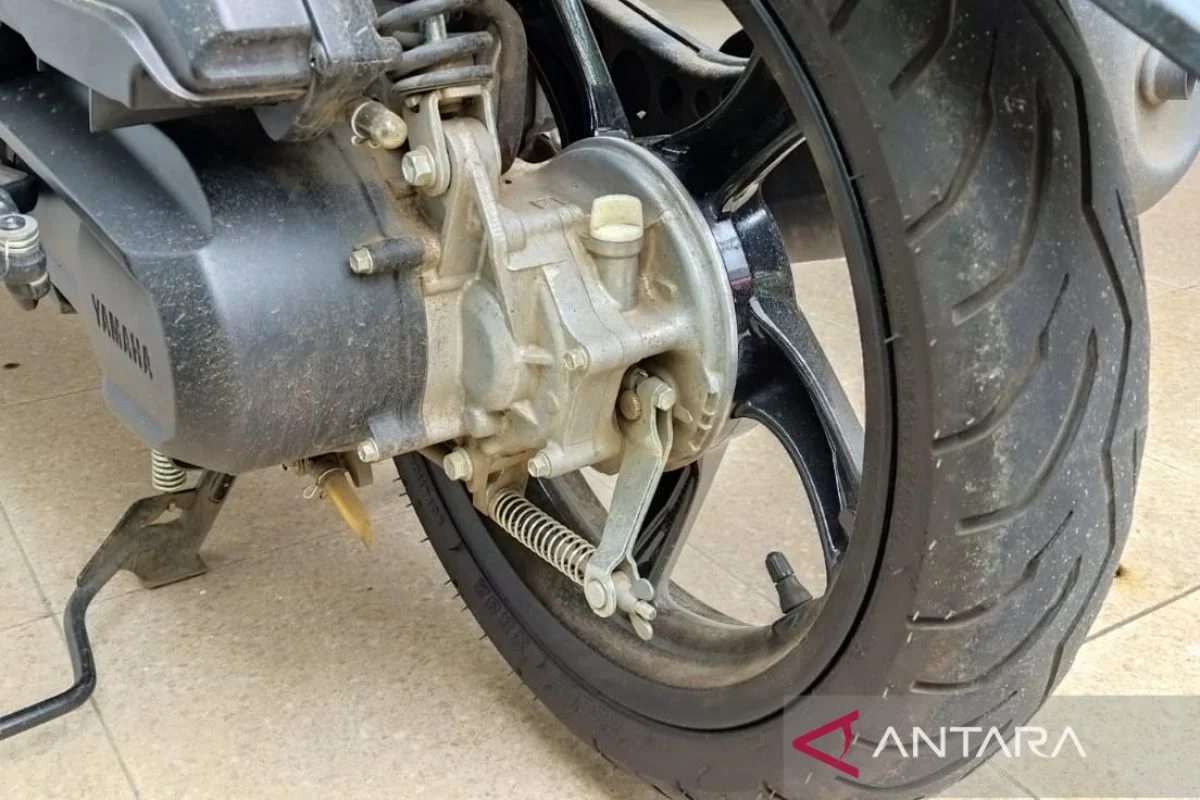
To understand why brakes squeal, one must first examine the fundamental mechanics of stopping a motorcycle. Modern motorcycles typically utilize either disc brakes or drum brakes, with high-performance and front-wheel applications heavily favoring hydraulic disc configurations. In a standard disc brake setup, squeezing the hand lever or depressing the foot pedal forces hydraulic fluid through lines to a caliper. The caliper then drives friction material—commonly known as brake pads—against a rotating metal disc attached to the wheel hub, known as the rotor or disc.
Friction generates thermal energy, converting the motorcycle’s kinetic energy into heat and slowing the vehicle down. However, when microscopic vibrations, surface contaminations, or material degradation occur within this assembly, the harmonic resonance produces the characteristic squealing or squeaking noise. Industry statistics compiled by major automotive aftermarket associations reveal that nearly 40 percent of premature brake wear and noise complaints originate from environmental contamination or neglected routine servicing rather than manufacturing defects.
Detailed Chronology and Common Environmental Triggers
The onset of brake noise often follows a distinct timeline tied to weather conditions, vehicle maintenance cycles, and component lifespans. Understanding this chronological progression helps riders differentiate between harmless temporary noises and systemic mechanical failures.
Immediately following a heavy downpour or a thorough vehicle wash, moisture frequently accumulates on the brake rotors and pads. This moisture, combined with atmospheric oxygen, can form an ultra-thin layer of microscopic surface rust almost instantaneously on cast-iron or steel brake discs. When the rider first applies the brakes after such an event, the pads skim over this oxidized layer, generating a brief squeal. In most benign cases, this noise disappears naturally within the first few applications of the brake as the friction material polishes the rotor clean.
However, if the noise persists long after the components have dried, the chronology shifts from a temporary environmental reaction to a mechanical issue. Road debris, fine silica dust from unpaved roads, and particulate matter swept up from puddles can become permanently embedded in the porous structure of organic or semi-metallic brake pads. Over a timeline of weeks, this trapped grit acts as an abrasive agent, scoring the rotor surface and creating persistent acoustic feedback every time the brake lever is engaged.
Root Causes of Motorcycle Brake Squeal
Vehicle manufacturers and certified master mechanics have categorized the primary culprits behind brake squeal into several distinct technical classifications:
-
Accumulation of Road Grime and Dust
Urban environments expose motorcycles to immense amounts of airborne pollution, brake dust from other vehicles, and road sediment. When fine sand and dust particles settle between the brake pad face and the rotor, they disrupt the smooth coefficient of friction. On drum-brake systems, dust accumulates inside the drum housing, causing binding and chattering noises during deceleration. -
Advanced Pad Wear and Material Depletion
Brake pads are engineered with a specific thickness threshold. As the friction material wears down through daily use, a backing plate or a built-in metal wear indicator may begin to skim the rotor surface. This direct metal-on-metal contact yields a harsh, grinding screech that is vastly different from a standard high-pitched squeal. Ignoring this warning leads to catastrophic rotor destruction and severely compromised stopping distances. -
Rotor Warpage and Surface Irregularities
Thermal cycling—rapid heating followed by rapid cooling—can warp metal brake rotors over extended mileage. A warped or unevenly worn disc fails to make uniform contact with the incoming brake pads, causing localized pressure points, steering vibration, and erratic acoustic emissions. -
The Bedding-In Period for New Components
When a rider installs brand-new brake pads, the fresh friction material does not instantly mate perfectly with an older, worn rotor. A specialized stabilization phase known as bedding-in is required. During this period, microscopic layers of pad material transfer onto the rotor surface, creating a harmonious mating surface. Improper installation or aggressive immediate braking without bedding-in can induce persistent squealing. -
Caliper Sticking and Mechanical Binding
Hydraulic calipers rely on precision pistons and sliding pins to ensure balanced pressure distribution. Over time, corrosion, brake dust buildup, and lack of lubrication can cause these sliding mechanisms to seize. If a caliper pin binds, the inner or outer brake pad remains in constant light contact with the rotor even after the rider releases the lever, causing continuous friction, localized overheating, and audible squealing. -
Chemical Contamination
Accidental exposure to chain lube, engine oil, or hydraulic brake fluid can ruin a set of brake pads. Because friction materials are porous, they readily absorb oils and greases. Once contaminated, the pad’s gripping capability plummets, and the chemical reaction under heat generation produces persistent noise that standard cleaning agents cannot eradicate.
Expert Recommendations and Corrective Maintenance
Addressing brake squeal requires a methodical approach tailored to the exact root cause, as outlined by leading vehicle service manuals:
First, riders should evaluate environmental factors. If the noise arises strictly after exposure to rain, a brief test ride in a safe, traffic-free area with gentle brake applications will determine if drying the components resolves the issue.
Second, regular visual and tactile inspections are mandatory. Mechanics advise checking the remaining thickness of the brake pad friction material every 2,000 to 3,000 kilometers. If the pad thickness approaches the minimum service limit set by the manufacturer—typically around 1.5 to 2 millimeters—immediate replacement is non-negotiable.
Third, professional cleaning using dedicated brake cleaner solvents can clear away accumulated dust and debris from calipers and rotors. However, technicians strongly caution against applying generic multi-purpose lubricating sprays or oils anywhere near the friction surfaces, as this directly triggers chemical contamination. If components are fouled with oil, replacement of the pads is the only reliable remedy.
Fourth, when replacing hardware, riders must ensure that only manufacturer-approved OEM (Original Equipment Manufacturer) or certified aftermarket parts are installed. Proper torque specifications on caliper mounting bolts and slide pins must be strictly adhered to during reassembly.
Critical Warning Signs: When to Seek Immediate Professional Help
While minor squealing can occasionally be benign, certain red flags indicate that a motorcycle is unsafe to ride and requires immediate towing or professional intervention at a certified service center:
- The emergence of a harsh, grinding metallic sound rather than a clean squeal, indicating total loss of pad material.
- A noticeable increase in stopping distance or a "spongy" feel when depressing the brake lever or pedal, signaling air in the hydraulic lines or fluid degradation.
- Severe pulsation, vibration, or shuddering transmitted through the handlebars or footpegs during braking.
- Visible fluid leaks around the master cylinder, brake hoses, or caliper pistons.
- The complete locking of a wheel due to a seized caliper mechanism.
Industry analysts emphasize that deferring brake maintenance to save on short-term service costs significantly escalates the risk of collisions on public roadways. Comprehensive preventative care, adherence to scheduled service intervals, and prompt diagnostic investigations into unusual acoustic signals remain the ultimate pillars of safe motorcycle operation. By treating the braking system with the technical respect it demands, riders ensure both personal safety and optimal vehicle longevity across all riding conditions.