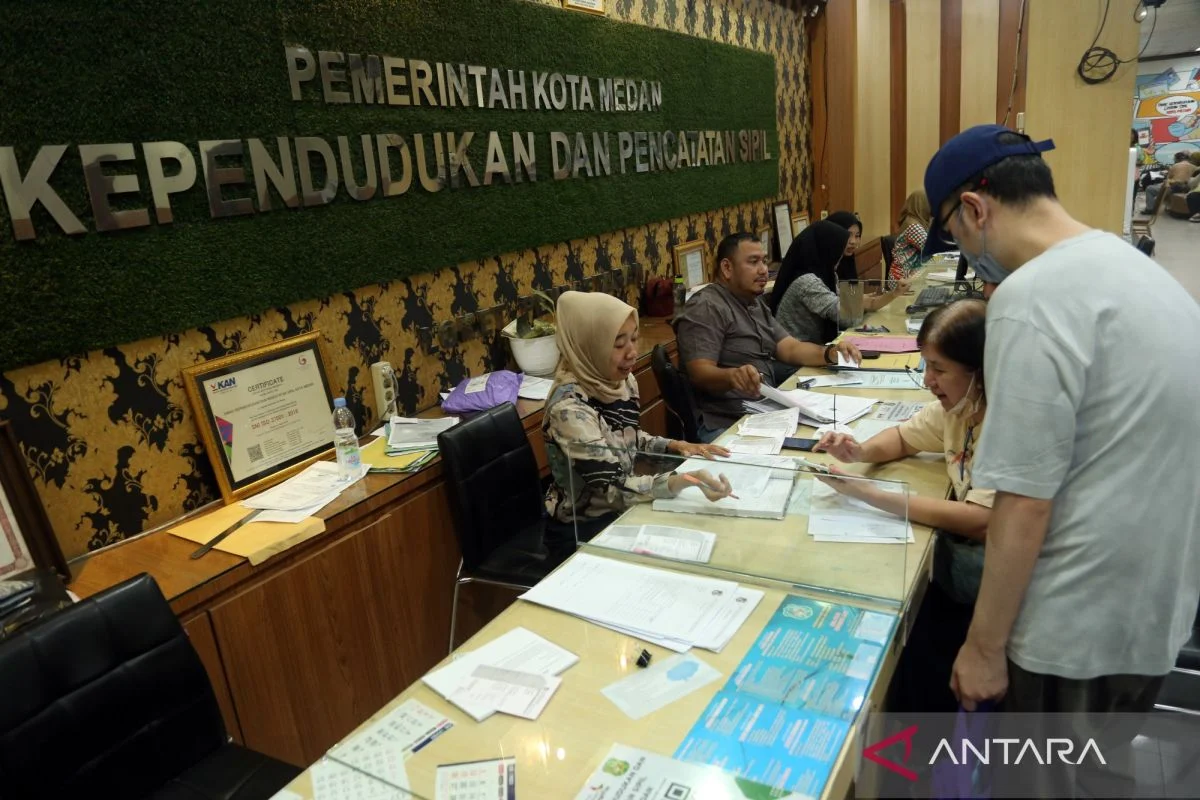
The electronic Identity Card, widely known as the KTP-el, serves as the cornerstone of civic identification in Indonesia, containing vital visual and biometric markers designed to recognize and verify citizens securely. However, as decades pass, natural aging processes, physical transformations, and accidental damage often lead citizens to question whether the portrait captured on their primary identification document can be updated. While the Directorate General of Population and Civil Registration permits the modification of the photograph embedded within the KTP-el, stringent regulatory frameworks dictate that these alterations cannot be made arbitrarily simply because a citizen is dissatisfied with their initial aesthetic appearance.
Understanding the precise criteria, official procedures, and underlying administrative logic is essential for any citizen navigating Indonesia’s civil registration system. The policy governing KTP-el photo updates is deeply rooted in the necessity of maintaining accurate, reliable biometric records for national security, public services, and digital verification systems. This comprehensive overview examines the conditions under which a KTP-el photograph can legally be changed, the step-by-step procedure required by regional agencies, and the broader administrative implications of keeping national identity data up to date.
The Regulatory Foundation of KTP-el Data Elements
To comprehend why citizens cannot freely change their KTP-el photographs at will, one must first examine the legal nature of the electronic identity card. The KTP-el is not merely a card bearing a picture; it is a physical token linked to a centralized database containing comprehensive biometric parameters, including facial geometry, fingerprint records, and iris scans. These elements form the bedrock of the Population Administration Information System, known locally as SIAK.
Under Indonesian population administration regulations, the elements of data on a KTP-el are divided into static elements, such as the National Identification Number or NIK and place of birth, and dynamic elements, which may be updated under specific legal conditions, such as residential address, marital status, occupation, and religion. While a photograph is technically a visual reflection of a dynamic human being, it is legally classified as a biometric data element tied strictly to verification integrity. Therefore, the rules governing population administration explicitly state that a photograph can only be retaken and replaced if specific exceptional criteria are met. These include permanent physical changes to the face or structural damage to the physical card itself. The policy aims to balance the citizen’s right to accurate identification with the state’s need to prevent fraudulent modifications, identity theft, and administrative chaos that would ensue if millions of residents requested cosmetic updates to their identity cards simultaneously.
Core Conditions Permitting a KTP-el Photograph Replacement
The Directorate General of Population and Civil Registration has established clear, narrow parameters outlining when a regional Civil Registration Office, or Disdukcapil, is authorized to process a photograph update. These conditions are strictly enforced to maintain the integrity of the national database.
-
Experiencing Permanent Physical Changes
The most common legitimate reason for altering a KTP-el photograph is a profound and permanent transformation of the facial structure. Such changes can occur due to severe accidents, reconstructive surgery, medical treatments that alter facial features, or the natural, significant aging process that drastically modifies a person’s appearance from youth to senior adulthood. When a citizen’s face no longer bears a reasonable resemblance to the archival photo stored in the system, verification processes at banks, airports, government offices, and polling stations become severely hindered. In these instances, a new photograph is not only permitted but legally required to ensure seamless public identification. -
Physical Damage to the KTP-el Card
Wear and tear are inevitable over the multi-year lifespan of an identification card. When a KTP-el suffers severe physical damage—such as deep scratches across the photographic surface, warping from heat, chipping, or fading caused by chemical exposure—the integrity of both the card and the embedded microchip can be compromised. When a citizen applies for a replacement card due to physical damage, the local Disdukcapil office frequently seizes the opportunity to capture a fresh photograph, provided the citizen undergoes standard re-verification. -
Failure of Biometric Verification and Recognition
In modern administrative ecosystems, KTP-el cards are increasingly scanned using card readers and biometric verification devices that cross-reference the physical card’s data with the centralized SIAK database. If an old photograph has degraded to the point where automated facial recognition algorithms fail to match the cardholder’s live face, the system triggers a red flag. Updating the photograph becomes an operational necessity to restore the functionality of the document in digital environments, ranging from digital banking onboarding to administrative welfare disbursements.
The Procedure for Updating Your KTP-el Photograph
For citizens who satisfy the mandatory criteria for a photograph update, navigating the administrative pipeline requires adherence to specific protocols established by local municipal governments. Because regional autonomy plays a significant role in public service delivery across Indonesia’s provinces and regencies, exact technical requirements can exhibit minor localized variations.
Generally, the procedure begins at the local sub-district office or directly at the municipal Disdukcapil headquarters. Citizens must prepare foundational administrative documents, primarily their current Kartu Keluarga, or Family Card, and the damaged or outdated KTP-el. Upon arrival, applicants must state the specific reason for the update, which is then evaluated by the desk officer against regulatory guidelines.
Once approved, the applicant is directed to the biometric recording booth. Unlike the submission of physical photographs for traditional passports or driving licenses—where applicants bring printed copies from photo studios—KTP-el photographs must be captured directly by authorized government officers using official cameras and lighting setups connected securely to the SIAK network. This ensures that the lighting, resolution, background color, and framing comply with national standardization rules. Following the digital capture, the data is queued for card printing. Depending on regional printing capacities and material availability, the new KTP-el can typically be collected within a few days to a couple of weeks.
The Fallacy of Cosmetic Changes and Aesthetic Preferences
A persistent misconception among the public is that a KTP-el photograph functions like a social media profile picture, open to updates whenever a citizen feels unsatisfied with their hairstyle, weight fluctuation, or expression. Public service announcements issued by various regional Disdukcapil offices repeatedly emphasize that personal dissatisfaction with the aesthetic outcome of an initial photo session does not constitute a valid legal ground for replacement.
This strict limitation is rooted in logistical and financial realities. The production of electronic identity cards involves specialized procurement processes, secure blank card stocks containing embedded microchips, and subsidized state funding. Allowing citizens to replace functional cards for purely cosmetic reasons would impose an unsustainable financial burden on regional administrative budgets and create crippling operational bottlenecks at public service offices. Furthermore, maintaining strict controls over photograph updates protects the overarching security architecture of the state, ensuring that malicious actors cannot continuously alter their visual profiles on official state documents to evade law enforcement or financial oversight.
Broader Implications for National Identity Management and Digital Security
The policy surrounding KTP-el photograph updates extends far beyond simple bureaucratic convenience; it touches upon the core of Indonesia’s national digital transformation strategy. As the government accelerates the integration of public services through national digital IDs and interconnected databases, the accuracy of biometric data becomes paramount.
When a citizen updates their photograph due to permanent physical changes, that update instantly synchronizes across the centralized SIAK network. This synchronization prevents friction in critical sectors such as healthcare administration under the National Health Insurance scheme, taxation services, social assistance distribution, and commercial financial services that rely on electronic Know Your Customer protocols.
Moreover, rigorous enforcement of these rules mitigates the risks associated with identity fraud. If individuals were permitted to swap their identification photos at will without stringent verification of physical changes or structural damage, the reliability of the entire civil registry would be undermined. Consequently, the measured approach adopted by Indonesian civil registration authorities strikes a necessary balance between accommodating genuine human life changes and preserving the uncompromised security of the nation’s primary identity document. Citizens seeking to update their photographs are thus advised to verify localized prerequisites with their respective regional Disdukcapil offices, ensuring they meet the legal thresholds before initiating the administrative journey.