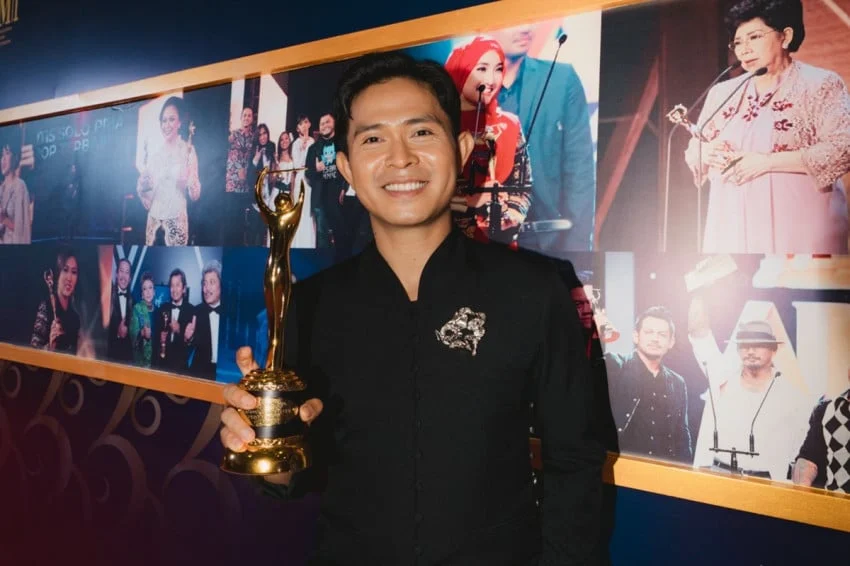
Indonesian soulful vocalist Cakra Khan has publicly voiced his concerns regarding the performance of policymakers in the country, issuing a firm reminder that the primary duty of any administration is to serve and protect the citizenry. Speaking candidly during a recent media gathering in the Kuningan area of South Jakarta, the internationally acclaimed singer emphasized that the foundation of governance relies entirely on the trust and financial contributions of the Indonesian people through taxation.
The statement adds to a growing wave of public discourse surrounding governmental accountability, citizen welfare, and the social contract between elected officials and the electorate. As public figures increasingly utilize their platforms to address socio-political issues, Cakra’s remarks highlight a persistent sentiment among ordinary citizens regarding the need for greater empathy and responsiveness from public servants.
The Core Message of Accountability
During his interaction with journalists, Cakra pointedly addressed the fundamental relationship between the government and the populace. He underscored that state operations are sustained by public funds, making accountability a non-negotiable aspect of public service.
"Semoga bisa mendengarkan rakyatnya lebih baik lagi. Karena kita di sini sebagai rakyat ingin diperhatikan oleh pemerintah, dan pastinya pemerintah juga digaji oleh rakyat," Cakra stated, emphasizing the expectation for authorities to listen more attentively to grassroots concerns. In translation, the sentiment stresses that as citizens seeking basic attention and welfare from the state, the public deserves better engagement, particularly given that government officials draw their livelihoods from taxpayer contributions.
The singer, renowned for his distinct raspy voice and massive hits such as Harus Terpisah, argued that leadership must be rooted in compassion and an active understanding of economic hardships faced by the lower classes. His comments reflect broader societal expectations for transparency, responsiveness, and people-centric policymaking in contemporary Indonesia.
Background Context: Public Figures and Social Advocacy in Indonesia
Cakra Khan’s intervention is part of a longstanding tradition wherein Indonesian artists, musicians, and public figures use their cultural capital to advocate for social causes. In recent years, the intersection of entertainment and civic activism has become increasingly prominent. Musicians and actors frequently lend their voices to environmental issues, charitable campaigns, and governance critiques.
For instance, the broader Indonesian entertainment landscape has witnessed numerous instances of artists mobilizing resources or public awareness for social issues—ranging from environmental conservation to humanitarian aid. Such activism resonates deeply with the Indonesian public, who often look to cultural icons to articulate shared frustrations or aspirations that might not find immediate representation in traditional political channels.
Cakra’s background adds weight to his statements. Having risen from local prominence to international recognition—most notably through his memorable audition on the global stage of America’s Got Talent—he represents a success story rooted in perseverance. His journey from regional contests to international acclaim allows him to speak with a degree of relatability regarding the struggles and aspirations of ordinary Indonesians.
The Economics of Governance: Taxation and Public Service
At the heart of Cakra’s critique lies a fundamental tenet of modern democratic governance: the fiscal contract between the state and the taxpayer. State revenues in Indonesia rely heavily on various forms of taxation, including Value Added Tax (VAT), Income Tax (PPh), and luxury goods taxes, alongside non-tax state revenues from natural resources.
Economists and political analysts frequently note that as tax compliance increases—bolstered by digitalization and tax reform initiatives by the Ministry of Finance—public demand for tangible returns in the form of public services, infrastructure, and social safety nets grows correspondingly. When citizens feel that policymakers are disconnected from daily economic realities, tensions regarding fiscal allocation and government spending often surface.
Cakra’s reminder that "the government is paid by the people" directly references this economic reality. While public officials receive salaries and operational budgets derived from the state budget (APBN)—which is largely funded by public taxation—citizens rightfully expect high standards of governance, fiscal prudence, and equitable resource distribution.
Chronology of Recent Public Discourses
The timing of Cakra’s remarks coincides with a period of intense public scrutiny regarding legislative and executive priorities in Indonesia. Over the past several months, public debates have focused on economic pressures, inflation, employment opportunities, and social assistance distribution.
- Early to Mid-Year Legislative Sessions: Discussions surrounding national budget allocations and public spending sparked debates among civil society organizations regarding the prioritization of grassroots welfare versus large-scale state projects.
- Cultural and Artistic Interventions: Across the entertainment sector, various artists have utilized concerts, public appearances, and digital media to highlight social and environmental causes, reinforcing the role of public figures as barometers of public conscience.
- Recent Media Engagement in Kuningan: Cakra Khan delivered his remarks during a media session in South Jakarta, responding to press inquiries regarding his personal views on national leadership and civic responsibility.
- Ongoing Public Response: The singer’s statements quickly circulated across digital news platforms and social media channels, drawing mixed reactions from supporters and sparking online discussions about the responsibilities of public officials.
Implications for Policymakers and Public Servants
The implications of public figures voicing governance concerns are multi-layered. In a democratic society, constructive criticism from well-known personalities can amplify marginalized voices and compel institutional actors to re-evaluate their engagement strategies.
For policymakers, the primary challenge lies in bridging the perceived gap between elite policy formulation and grassroots realities. When public figures articulate a desire for officials to be more "sensitive and responsive," they echo a systemic demand for institutional empathy. Effective governance requires not only administrative efficiency but also active listening mechanisms that capture the lived experiences of citizens outside urban political centers.
Furthermore, as social media democratizes communication, public sentiment can mobilize rapidly. Statements from influential cultural figures serve as focal points for public debate, compelling political institutions to demonstrate accountability and responsiveness to maintain public trust.
Broader Societal Reactions and Expert Perspectives
Sociologists and political observers note that public statements by artists like Cakra Khan rarely exist in a vacuum; rather, they mirror a collective mood. When economic uncertainties loom—such as fluctuating staple food prices, job market competitiveness, and cost-of-living adjustments—public expectations regarding government performance naturally heighten.
Civil society organizations often point out that constructive dialogue between citizens, artists, and policymakers is essential for a healthy democracy. While political representatives hold formal legislative and executive power, cultural figures possess the unique ability to humanize complex political debates and frame them in terms of basic human dignity, fairness, and mutual respect.
Conclusion and Future Outlook
Cakra Khan’s call to action serves as a poignant reminder of the enduring obligations held by those in positions of power. By emphasizing that the ultimate benchmark of successful governance is the well-being of the common people, his remarks contribute to the ongoing national conversation about democracy, responsibility, and public service in Indonesia.
As the nation continues to navigate complex social and economic landscapes, the demand for transparent, empathetic, and accountable leadership remains paramount. Whether through policy reform, administrative vigilance, or cultural dialogue, the expectation that leaders must honor the mandate entrusted to them by the rakyat (people) remains a central pillar of Indonesia’s civic identity.