The Ministry of National Development Planning, commonly known as Bappenas, has officially announced a targeted completion date of December 2028 for Indonesia’s comprehensive national bioeconomy roadmap. This strategic initiative is designed to harness the nation’s vast biological wealth, drive economic diversification, and establish a foundational pillar for the country’s burgeoning green economy. By leveraging advanced technological interventions and biological solutions, or biosolutions, the government aims to decouple economic growth from conventional land expansion, ensuring that productivity gains are achieved sustainably.
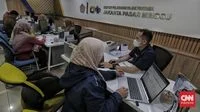
The announcement was made during a high-profile media briefing following the official launch of the report titled The Value of Biosolutions in Indonesia held in Jakarta. As Southeast Asia’s largest economy navigates its long-term transition toward low-carbon development, the bioeconomy roadmap is envisioned as a critical regulatory and strategic compass. It seeks to harmonize ecological preservation with industrial innovation, positioning biological capital as a primary driver of high-value manufacturing and agricultural resilience.
Strategic Shift from Land Expansion to Technological Intensity
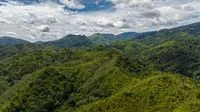
For decades, Indonesia’s agricultural and resource-based sectors have relied heavily on land-use conversion to scale up production. However, mounting environmental pressures, global commitments to reducing deforestation, and the imperative to mitigate climate change have rendered this model unsustainable. Bappenas has underscored that the future of the nation’s primary industries lies in maximizing biological modalities through cutting-edge scientific approaches.
Leonardo Adypurnama, Deputy Minister for Food, Water Resources, and Environmental Affairs at the Ministry of National Development Planning/Bappenas, emphasized the paradigm shift during the briefing. He explained that the core philosophy of the bioeconomy is to extract maximum utility from existing resources through technological empowerment.
"The core of the bioeconomy is how we can utilize our extremely rich biological modalities with new technology approaches," Leonardo stated. By utilizing advanced biosolutions, the government expects to elevate the output of every cultivated hectare, thereby alleviating the ecological pressure historically associated with agricultural intensification.
Five Priority Sectors Driving the Bioeconomy Framework
The development of the roadmap is not merely a theoretical exercise; it involves rigorous targeting and prioritization. Dadang Jainal Mutaqin, Director of Forestry and Water Resources Conservation at Bappenas, outlined the structural framework of the initiative, noting that the government has identified five core product groups to anchor the national bioeconomy strategy.
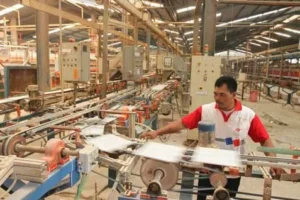
These five priority sectors comprise food, energy, health, cosmetics, and biomaterials. Additionally, environmental services, notably ecotourism, have been integrated into the broader scope of the national framework. Each sector has been selected based on its capacity to generate high value-added commodities while supporting sustainable resource management.
In the food and feed sectors, the government is prioritizing the deployment of bio-fertilizers and bio-pesticides. These biological inputs are expected to enhance soil health, reduce chemical dependency, and protect crop yields against climate variability. Meanwhile, the energy sector will focus intensely on the development of advanced biomass and biofuels. Diversifying feedstock beyond single-commodity reliance—such as traditional palm oil derivatives—will insulate the national biofuel industry against supply shocks and international price volatility, fostering a more resilient energy transition.
Mobilizing Financing and Fostering Public-Private Collaboration
A persistent structural hurdle in Indonesia’s innovation ecosystem has been the "valley of death"—the chasm between academic research and commercialization. Countless scientific breakthroughs originating from local universities and research institutions fail to scale up due to a lack of targeted venture capital, industrial partnerships, and regulatory backing.
To bridge this gap, Bappenas has emphasized the absolute necessity of multi-stakeholder collaboration involving government bodies, research institutes, higher education facilities, and the private sector. Furthermore, the agency has pointed to newly established sovereign wealth and investment entities as crucial financial catalysts. Dadang highlighted the potential role of Danantara—the newly consolidated state investment management agency—in channeling strategic capital into the bioeconomy sector.
"We also need to encourage Danantara to be able to enter this space," Dadang remarked, pointing out that adequate funding and long-term industrial commitment are indispensable for transforming laboratory discoveries into globally competitive commercial products.
Attracting Global Expertise and Foreign Direct Investment
In tandem with domestic financing mobilization, the Indonesian government is actively courting global industry leaders to establish operations within the country. During the briefing, Bappenas explicitly extended an invitation to Novonesis, a prominent global biosolutions enterprise, to invest in Indonesia’s burgeoning bioeconomy infrastructure.
The strategic rationale is clear: by encouraging multinational corporations with advanced technological capabilities to set up local processing and manufacturing facilities, Indonesia can accelerate technology transfer, upskill local talent, and upgrade its position in global value chains. Rather than exporting raw biological materials, the domestic economy will capture the higher margins associated with refined, technology-enabled bio-products.
Ang Yonny Setiadi, Country Manager of Novonesis Indonesia, welcomed the overture, noting that the recent report launch marks the inception of a deeper, structural collaboration. Novonesis aims to work closely with ministries, academic institutions, and green research and development hubs across the archipelago. According to Setiadi, such partnerships will unlock unique opportunities, including the upcycling of agricultural and industrial side-streams into high-protein animal feed and scalable ethanol production.
Macroeconomic Implications and Long-Term Projections
The economic stakes for Indonesia are remarkably high. Preliminary economic modeling presented during the report launch indicates that the systematic adoption and scaling of biosolutions could multiply the nation’s Gross Domestic Product (GDP) generated from the bioeconomy sector by up to three times.
This projected expansion is rooted in efficiency gains, waste minimization, and the creation of entirely new domestic industries centered on green chemistry, advanced biomaterials, and biotechnology. As global markets increasingly penalize carbon-intensive goods through mechanisms such as the European Union’s Carbon Border Adjustment Mechanism (CBAM), Indonesia’s proactive pivot toward a certified bioeconomy will safeguard its export competitiveness.
Moreover, the roadmap aligns seamlessly with Indonesia’s broader international climate commitments, including its enhanced Nationally Determined Contributions (NDCs) under the Paris Agreement and the long-term vision of achieving net-zero emissions by 2060 or sooner. By turning biological waste into high-value energy and materials, the country closes the loop on linear economic models, paving the way for a circular economy that respects ecological boundaries.
Implementation Timeline and Future Outlook
With the December 2028 deadline established, Bappenas and its inter-ministerial partners face a demanding operational timeline. The intervening years will require rigorous data collection, comprehensive biological resource mapping, regulatory harmonization, and the establishment of robust Monitoring, Reporting, and Verification (MRV) systems to track progress.
As global economies race to decouple growth from fossil fuels and finite land resources, Indonesia’s bioeconomy roadmap represents a vital policy instrument. By anchoring national development in science-based biosolutions, the government is not only preparing for the economic realities of the mid-21st century but is also positioning the nation as a global leader in sustainable tropical bio-innovation.