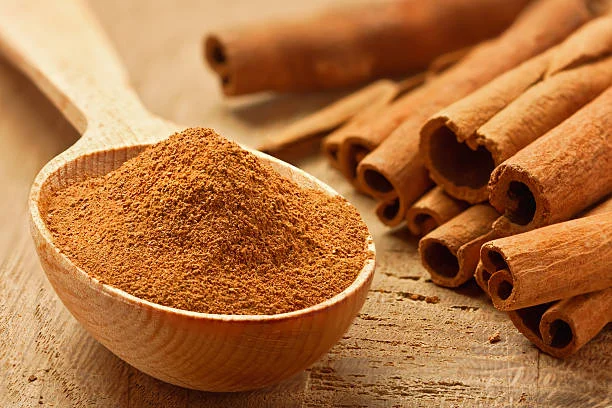
JAKARTA — The rising popularity of herbal remedies, jamu, and traditional spiced beverages across Indonesia has brought renewed attention to public health and dietary safety. While natural remedies are widely perceived as safe alternatives to modern pharmaceuticals, health experts are raising alarms regarding the unmonitored consumption of common spices. Chief among these concerns is kayu manis, or cinnamon—specifically the cassia variety—which contains high levels of a naturally occurring organic compound known as coumarin. According to clinical pharmacologists, excessive intake of coumarin poses a direct and severe threat to liver function, making consumer awareness regarding proper daily dosages an urgent public health priority.
The debate surrounding herbal safety highlights a broader cultural and economic dynamic in Southeast Asia’s largest economy. Spices have served as the cornerstone of traditional medicine, culinary traditions, and commercial exports for centuries. However, as modern lifestyles embrace functional foods, detox drinks, and artisanal herbal infusions, the concentration and frequency of spice consumption have shifted dramatically. Without standardized labeling, standardized extraction methods, or widespread consumer education, the line between therapeutic benefit and organ toxicity is increasingly blurred.
Understanding the Compound: What is Coumarin and Why is It Dangerous?
Coumarin is a naturally occurring phytochemical found in various plants, most notably in the Cinnamomum cassia species, commonly known as Chinese cinnamon. While the compound exhibits certain beneficial properties in trace amounts—such as mild anti-inflammatory and antimicrobial effects—it acts as a hepatotoxin when ingested in concentrated quantities over prolonged periods.
When metabolized by the liver, large amounts of coumarin can overwhelm hepatic enzyme pathways, leading to cellular stress, inflammation, and, in severe cases, acute or chronic liver injury. Medical literature documents numerous cases where patients exhibiting unexplained elevated liver enzymes were found to have maintained high daily intakes of herbal supplements containing cassia cinnamon or cassia-derived oils.
Unlike pharmaceutical drugs, which undergo rigorous pharmacokinetic testing and carry explicit dosage warnings on their packaging, raw spices sold in traditional markets or incorporated into commercial herbal drinks often lack clear toxicity warnings. This regulatory blind spot leaves consumers vulnerable, particularly those who assume that because a product is natural, it can be consumed in limitless quantities without adverse consequences.
Expert Insights and Clinical Warnings from Jakarta
Addressing the issue during a recent health and pharmacology forum in Jakarta, apt. Julian Afferino Taruna Vijaya, a prominent pharmaceutical practitioner and pharmacologist, emphasized the necessity of strict dietary moderation.
"Kayu manis yang mengandung kumarin dapat merusak hati jika dikonsumsi berlebihan," stated Julian, cautioning that public enthusiasm for herbal health trends must be tempered with biochemical literacy.
Julian provided specific, measurable guidelines for safe consumption, noting that the biological threshold varies depending on body weight and the specific botanical variety of the spice. For an average adult with a body weight of 60 kilograms, the maximum safe daily threshold for cassia cinnamon is capped at two grams, which translates to roughly less than a single teaspoon per day.
This strict limit is rooted in stringent toxicological assessments established by international food safety authorities. The German Federal Institute for Risk Assessment (Bundesinstitut für Risikobewertung, or BfR) has established a tolerable daily intake (TDI) of 0.1 milligrams of coumarin per kilogram of body weight. When these international standards are applied to the potent coumarin concentrations found in cassia cinnamon—which can be up to hundreds of times higher than those found in true cinnamon, or Ceylon cinnamon (Cinnamomum verum)—the margin for error narrows significantly.
The Market Divide: Cassia Versus Ceylon Cinnamon
To fully understand the scope of the health risk, consumers and food manufacturers must distinguish between the two primary commercial varieties of cinnamon available on global and domestic markets: Cassia and Ceylon.
Cassia cinnamon, predominantly sourced from Indonesia, China, and Vietnam, dominates the global and local spice markets due to its robust, pungent flavor profile and lower production costs. It is the default variety found in most Indonesian household kitchens, commercial bakeries, and mass-market packaged foods. However, cassia contains a significantly high concentration of coumarin, ranging from 0.5 to 1.0 percent or higher depending on the specific harvest and processing methods.
Conversely, Ceylon cinnamon, native to Sri Lanka and often marketed as "true cinnamon," contains negligible amounts of coumarin—typically less than 0.004 percent. While Ceylon cinnamon is chemically much safer for daily, high-volume consumption, its delicate flavor profile and considerably higher market price restrict its widespread adoption in everyday Indonesian culinary practices and commercial herbal beverage production.
Consequently, the vast majority of Indonesians regularly consume cassia cinnamon, unaware of the biochemical differences and the associated hepatic risks linked to its coumarin content.
Broader Implications for the Indonesian Herbal Ecosystem
The warning regarding cinnamon toxicity arrives at a delicate time for Indonesia’s burgeoning traditional medicine and herbal supplement industry. Over the past decade, national initiatives have actively promoted the commercialization and standardization of local medicinal plants, known locally as jamu or obat herbal terstandar (OHT). Programs designed to integrate traditional remedies into the formal national healthcare system have gained momentum, involving collaborations between academic institutions, private industry stakeholders, and governmental bodies such as the Ministry of Defense and the Ministry of Health.
While these initiatives aim to boost economic growth, empower local farmers, and provide affordable healthcare alternatives, they also introduce complex regulatory challenges. As herbal products transition from household remedies to mass-produced commercial commodities distributed in capsule, powder, and bottled beverage formats, the potential for chronic overconsumption multiplies.
Industry analysts note that without robust oversight regarding raw material selection—such as mandating the use of low-coumarin Ceylon cinnamon in commercial formulations—well-intentioned health programs could inadvertently contribute to public health complications. Furthermore, the absence of standardized dosage instructions on traditional beverages sold in local markets creates an environment ripe for accidental overdocing.
Clinical Perspectives on Symptom Management Versus Medical Diagnosis
Echoing the pharmaceutical warnings, internal medicine specialist dr. Andi Khomeini Takdir Haruni weighed in on the psychological and behavioral patterns surrounding the use of traditional remedies in Indonesia. According to dr. Andi, a prevalent cultural habit involves turning immediately to warming natural ingredients—such as ginger, clove oil, mint, and cinnamon—at the first sign of physical discomfort or illness.
"Products like cinnamon, clove oil, ginger, and mint are frequently relied upon by the community to soothe early symptoms of physical ailments," dr. Andi observed. While these remedies often provide genuine comfort through their warming sensations, anti-inflammatory properties, or carminative effects, dr. Andi issued a critical warning against the misuse of these treatments.
The immediate physical relief provided by a spiced herbal drink must never serve as a justification for postponing professional medical diagnostics. Relying solely on herbal concoctions to suppress symptoms of underlying systemic conditions—such as metabolic disorders, chronic infections, or early-stage organ dysfunction—can delay life-saving medical interventions.
Moreover, integrative health practitioners point out that active phytochemicals present in concentrated spices can interact unpredictably with conventional pharmaceutical drugs. For instance, individuals undergoing routine medical management for chronic conditions such as diabetes or cardiovascular disease face heightened risks. Cinnamon possesses mild blood-sugar-lowering and blood-thinning properties; when combined with prescribed anti-diabetic medications or anticoagulant drugs like warfarin, excessive cinnamon consumption can precipitate dangerous pharmacological interactions, leading to hypoglycemia or uncontrolled bleeding disorders.
Chronology of Herbal Safety Awareness in Modern Indonesia
The growing discourse surrounding the biochemical safety of indigenous spices did not emerge in a vacuum. Over the past several years, food safety watchdogs and pharmacological researchers have systematically tracked the evolution of consumer habits alongside shifts in commercial agriculture.
In the early 2010s, the widespread commercialization of functional beverages and instant herbal powders accelerated across urban centers in Java and Sumatra. Small and medium enterprises began packaging traditional spices into convenient, ready-to-drink formats.
By the late 2010s, European food safety authorities released comprehensive safety alerts regarding high coumarin levels in bakery products containing cassia cinnamon. These international warnings prompted progressive analyses within Indonesian academic institutions, as pharmacologists began examining whether domestic consumption patterns reflected similar systemic exposure levels.
By 2023 and 2024, institutional collaborations—such as proposed partnerships between herbal standardization forums and defense health programs—brought increased scrutiny to the standardization of herbal inputs. Experts began calling for comprehensive labeling laws that differentiate between botanical species and establish clear safety parameters for daily use. The recent statements by pharmaceutical practitioners in Jakarta represent a continuation of this vital educational push, bridging the gap between clinical toxicology and everyday consumer behavior.
Policy Recommendations and Future Outlook
Mitigating the risks associated with coumarin and other active botanical compounds requires a multi-tiered approach involving government regulators, food manufacturers, healthcare providers, and consumers.
First, regulatory agencies such as the Indonesian Food and Drug Authority (BPOM) face mounting pressure to implement clearer labeling guidelines for commercial products containing cassia cinnamon. Mandatory disclosure of the botanical species utilized—distinguishing between cassia and Ceylon—would empower consumers to make informed purchasing decisions.
Second, manufacturers of commercial herbal beverages and dietary supplements must adopt stringent quality control measures, adhering to maximum permissible levels of active phytochemicals that pose organ toxicity risks. Standardized extraction and formulation processes can ensure that consumer products do not inadvertently exceed safe daily thresholds.
Third, public health campaigns must shift away from the simplistic narrative that natural products are inherently safe in unlimited quantities. Educational outreach programs should emphasize that botanical remedies possess potent pharmacological activity and must be treated with the same respect and caution as synthetic pharmaceuticals.
Finally, medical professionals must maintain an active dialogue with patients regarding their use of complementary and alternative medicines. By routinely inquiring about herbal supplement intake during clinical consultations, physicians can prevent adverse drug-herb interactions and catch early signs of hepatic strain before permanent organ damage occurs.
As Indonesia continues to harness its rich biodiversity for health and economic development, balancing traditional wisdom with modern scientific rigor remains paramount. Ensuring that consumers understand the subtle boundary between therapeutic wellness and toxic overexposure will safeguard public health for generations to come.